Collagen anti-wrinkle serums are increasingly popular in the beauty and skincare industry, offering targeted solutions for aging skin. These serums are designed to reduce the appearance of fine lines and wrinkles by enhancing skin elasticity and hydration through collagen, a vital protein naturally found in the body. For B2B buyers such as purchasing managers or distributors, understanding the specifications, sourcing options, and common challenges associated with these products is crucial for making informed decisions. This article will delve into essential aspects of collagen anti-wrinkle serums, helping buyers navigate their procurement effectively.
Key Specifications of Collagen Anti-Wrinkle Serums You Should Know
When sourcing collagen anti-wrinkle serums, several specifications are crucial for ensuring product efficacy and consumer satisfaction. Key factors include:
Collagen Source: Different types of collagen (e.g., Type I, II, or III) may be used, each offering varying benefits for skin health. Buyers should confirm which type is incorporated into the serum and its suitability for their target market.
Concentration: The concentration of collagen in the serum is vital. Higher concentrations may provide more noticeable results but can also affect pricing and formulation stability.
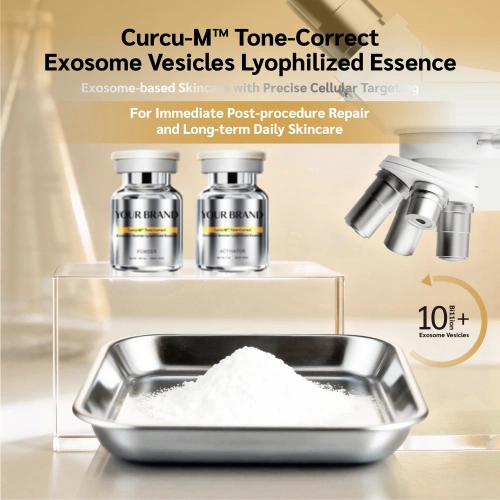
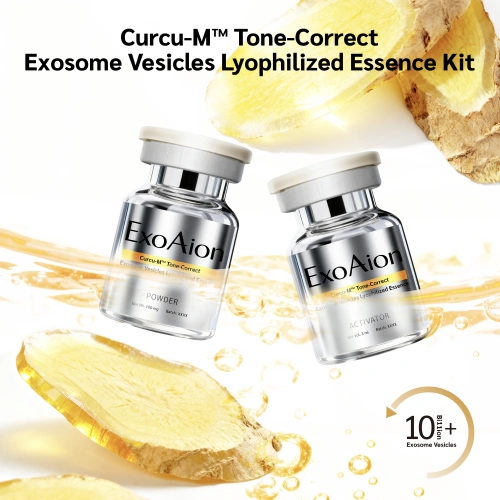
Additional Ingredients: Look for serums that include complementary ingredients such as hyaluronic acid, peptides, or antioxidants, which can enhance the overall effectiveness of the product. For example, Curcu-M™ Tone-Correct Exosome Vesicles Lyophilized Essence offers beneficial additional components that can complement collagen.
Preservatives and Stabilizers: Understanding the preservatives used is critical for product shelf life and safety. Buyers should ensure that these comply with regulatory standards in their target markets.
Packaging: Air-tight and UV-protective packaging can significantly impact the product's longevity and effectiveness, making it an important specification to review.