The search for the best serum for aging skin is crucial for purchasing managers and product developers in the beauty and skincare industry. These medical-grade serums are designed to address the visible signs of aging, such as wrinkles, fine lines, and loss of elasticity. As a B2B buyer, understanding the cost factors, applications, and common issues associated with these serums will help you make informed purchasing decisions. This article will provide insights into evaluating the best serum for aging skin, focusing on critical aspects such as cost factors, applications, common problems, and ingredient quality.
Applications of Medical-Grade Serums for Aging Skin Solutions
Medical-grade serums are formulated to address specific skin concerns related to aging. These applications can range from hydration and skin repair to enhancing overall skin texture and tone.
Hydration: Many serums incorporate hyaluronic acid, a powerful humectant that draws moisture into the skin, providing immediate hydration and plumping effects. This is especially beneficial for mature skin, which often shows signs of dehydration. For a comprehensive approach to hydration, consider products from our Hydration/Barrier/Post Procedure Recovery collection.
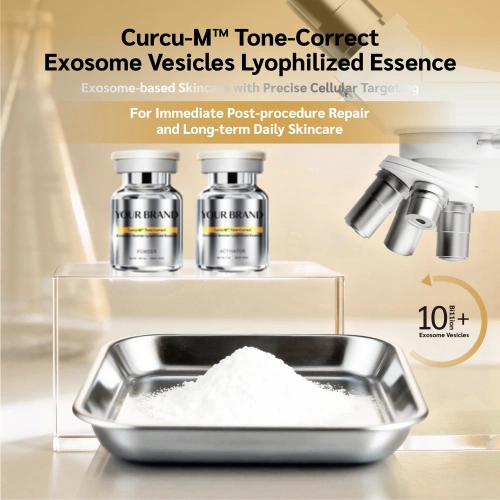
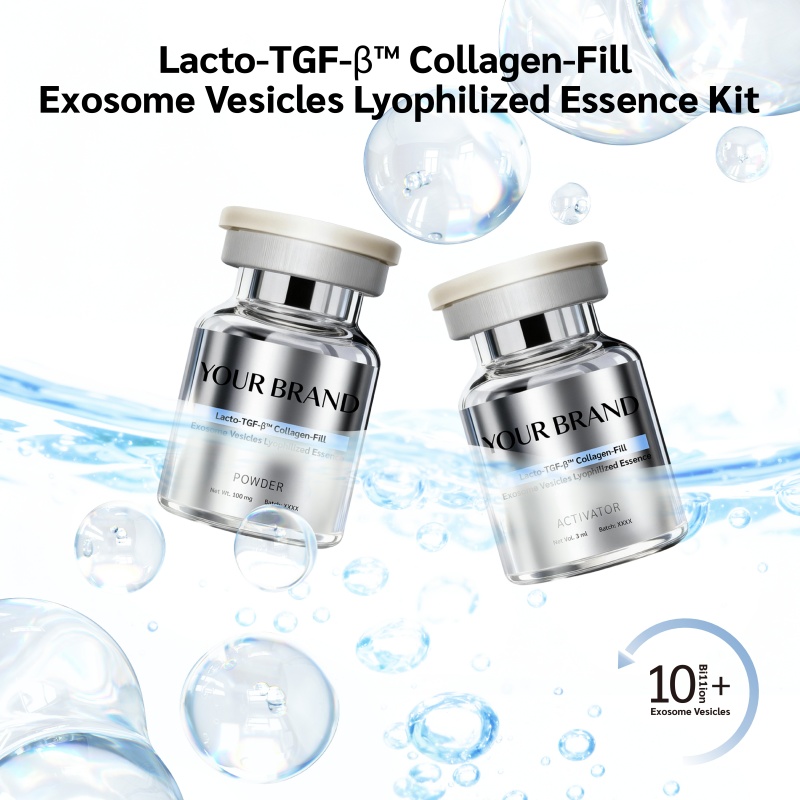
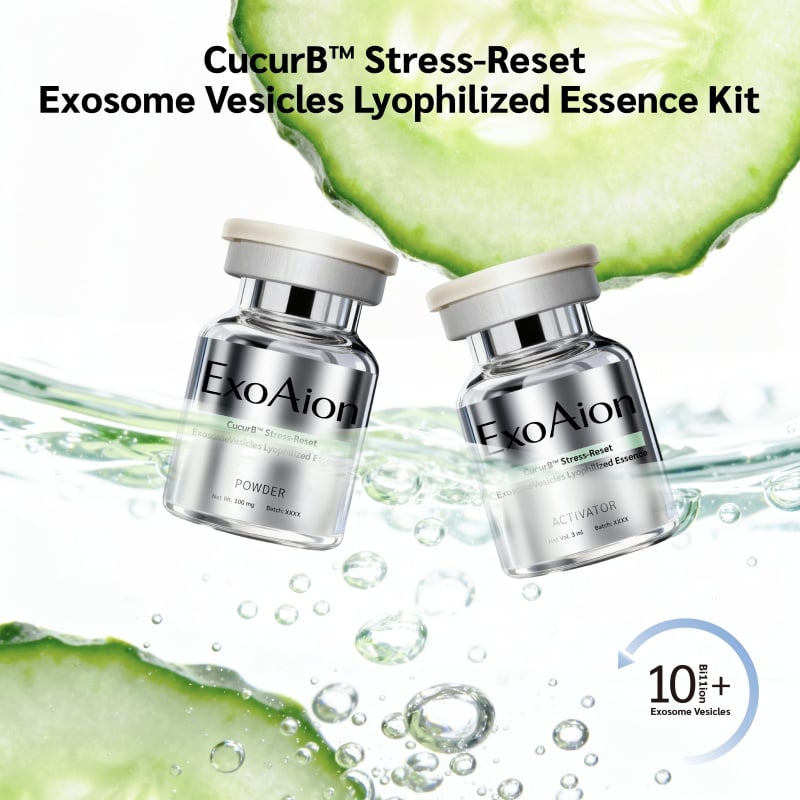
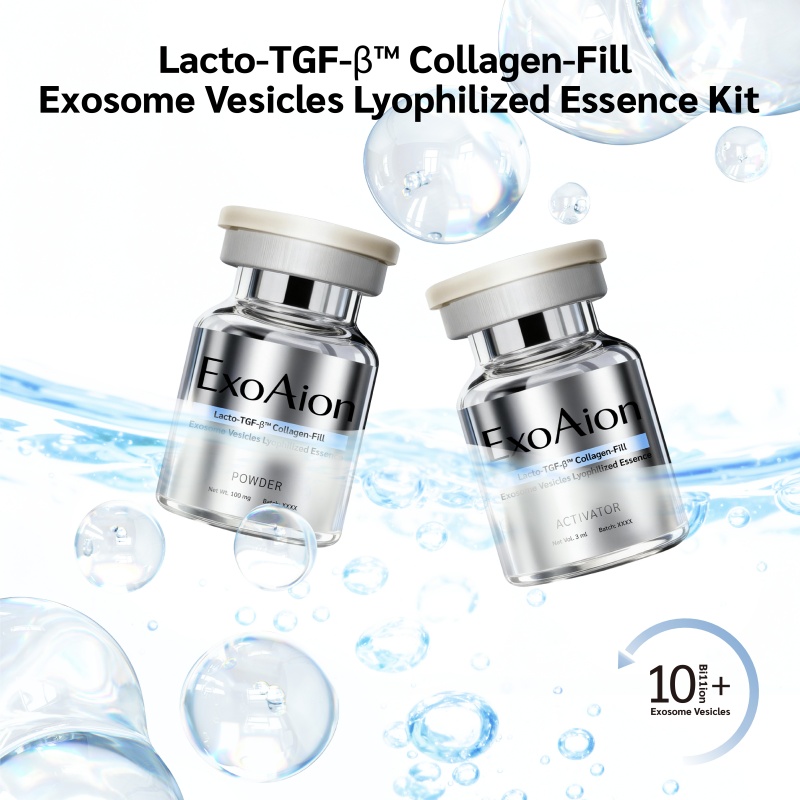
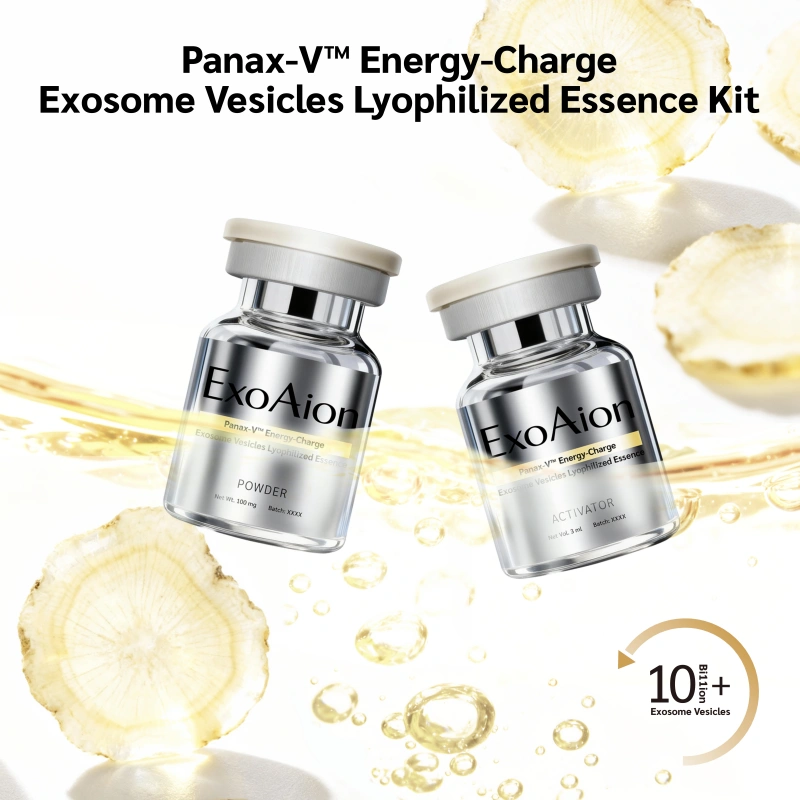
Cell Regeneration: Serums containing growth factors or exosomes can significantly enhance skin regeneration. These ingredients stimulate collagen production and cellular turnover, making them particularly effective for reducing the appearance of wrinkles and fine lines.
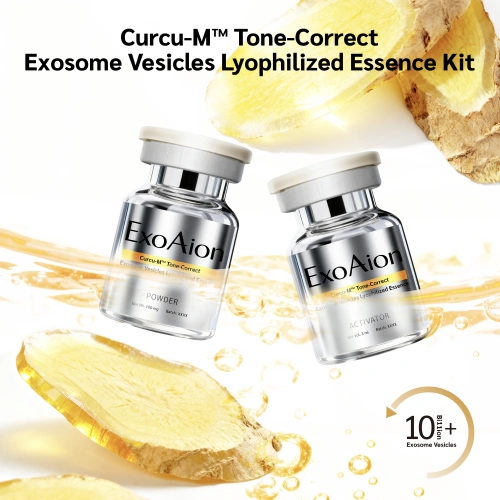
Brightening: Formulations that include vitamin C or niacinamide can help brighten the skin, reduce pigmentation, and improve overall skin tone. This is a sought-after benefit for consumers looking to achieve a more youthful complexion. For those interested in boosting radiance, our Radiance collection offers targeted solutions.
Understanding the specific applications of these serums can help buyers select products that meet their clients' needs, ultimately enhancing customer satisfaction.