When it comes to finding the best serum for anti-wrinkle solutions, B2B buyers need to consider various factors to ensure they select a product that meets their specific needs. With the rise of medical-grade skincare, particularly those leveraging exosome technology, it’s crucial to understand what differentiates an effective anti-wrinkle serum from others. This article will guide purchasing managers, distributors, and product managers through the essential criteria for bulk orders, focusing on specifications, common issues, supplier evaluation, and expert tips for sourcing the right serum.
Key Specifications to Look for in Anti-Wrinkle Serums
Specifications play a crucial role in determining the efficacy and suitability of an anti-wrinkle serum. Key factors to consider include:
Active Ingredients: Look for serums that contain scientifically supported compounds such as retinoids, peptides, and growth factors, as these have been shown to promote collagen production and improve skin elasticity.
Formulation Type: Serums can come in various forms, such as water-based, oil-based, or gel formulations. The choice depends on the target demographic's skin type and preferences.
pH Balance: The serum’s pH level should be compatible with the skin’s natural pH to avoid irritation and enhance absorption. A pH range of 4.5 to 5.5 is generally recommended for optimal skin compatibility.
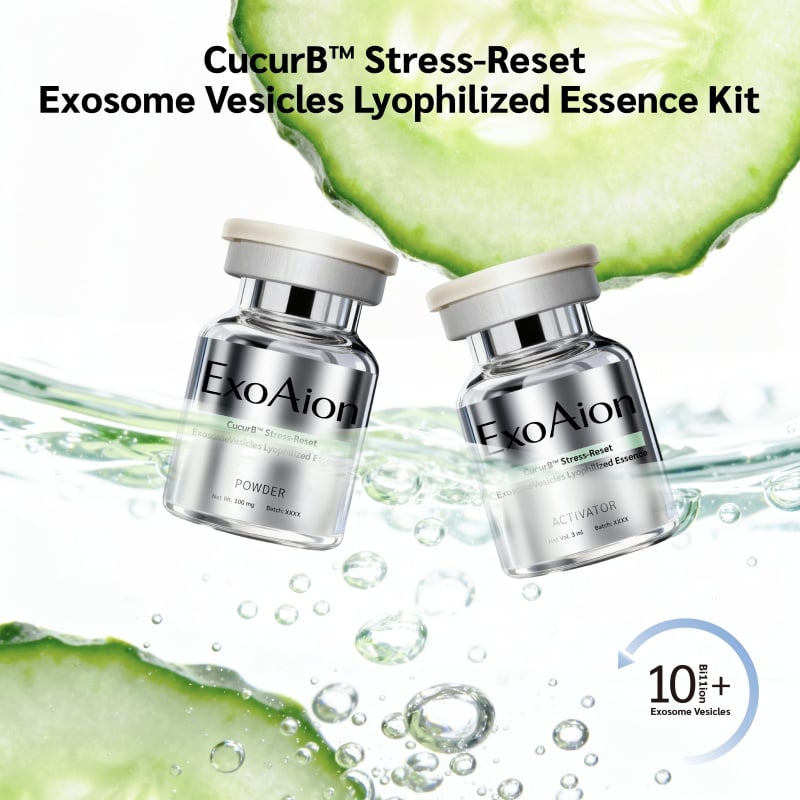
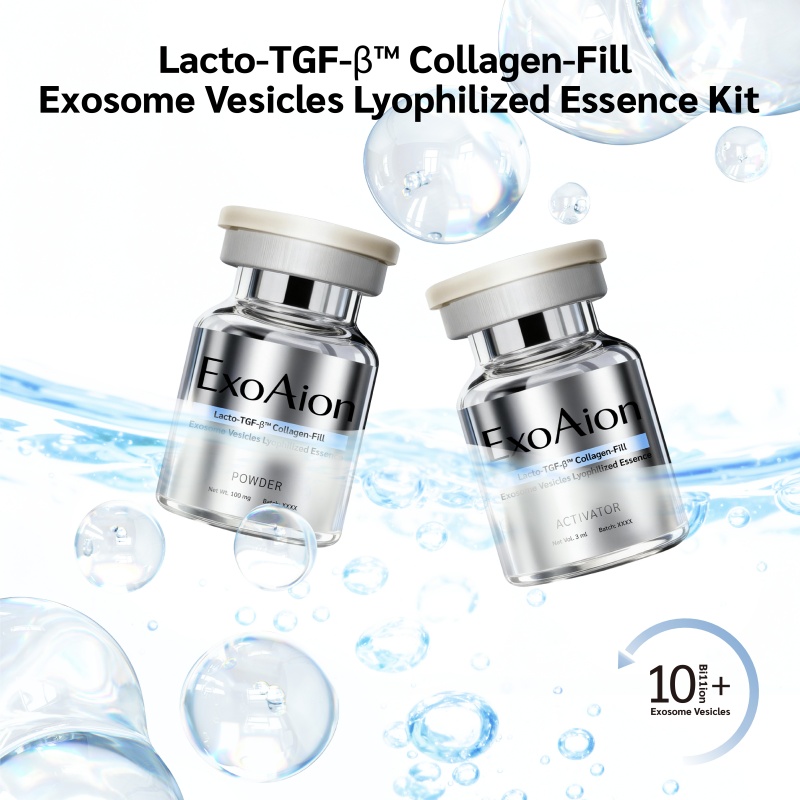
Packaging: The packaging should protect the active ingredients from degradation due to light and air exposure. Airless pump bottles or dark glass containers are often preferred.
Shelf Life and Stability: Buyers should verify the shelf life of the serum and request stability testing data to ensure the product maintains efficacy over time. Understanding these specifications can help buyers assess whether a serum will deliver the expected performance in real-world applications.