Choosing Quality Retinol Anti-Aging Serums for Business

retinol anti ageing serum

Understanding the nuances of retinol anti-aging serums can greatly influence purchasing decisions for businesses looking to enhance their product offerings. Retinol, a derivative of Vitamin A, is renowned for its ability to reduce signs of aging by promoting cell turnover and collagen production. For B2B buyers—such as purchasing managers, distributors, and product managers—key concerns often include product efficacy, quality assurance, and cost-effectiveness. This article will provide practical insights into choosing the right retinol anti-aging serum for your business needs, focusing on specifications, cost factors, common challenges, and applications in professional settings.
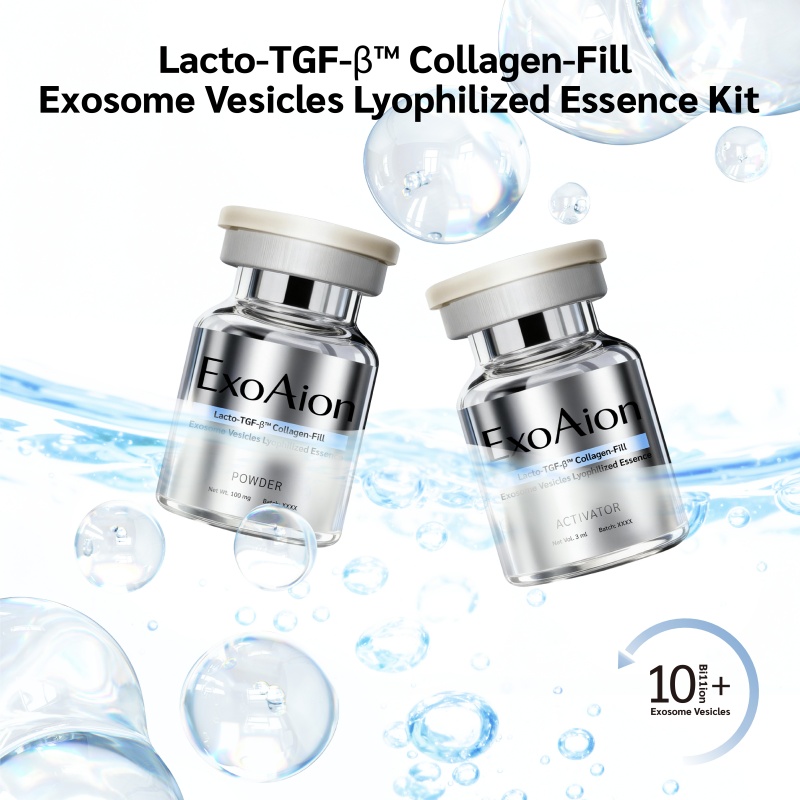
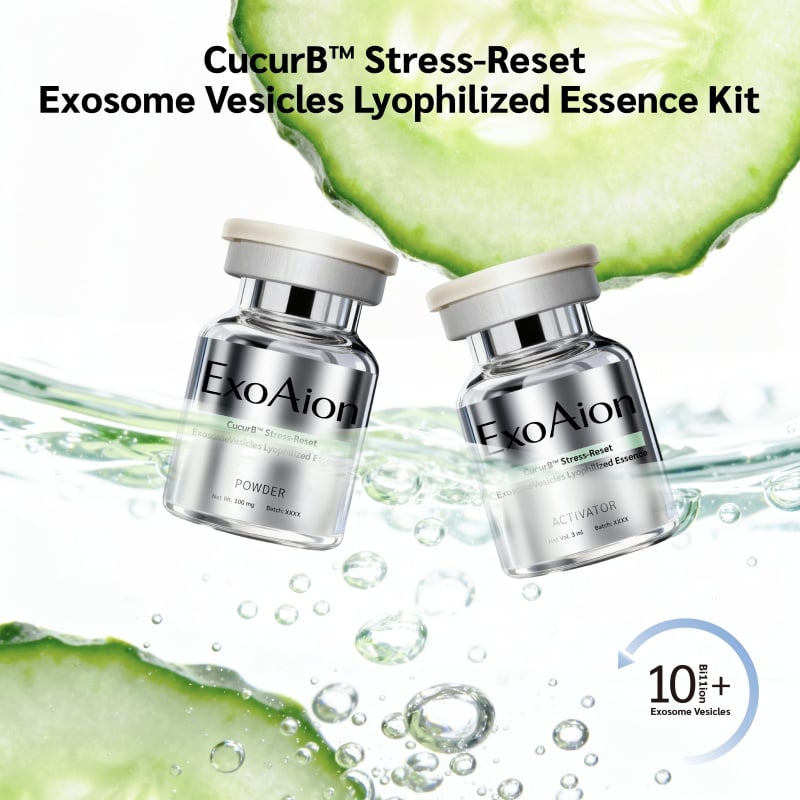
Our Products

Key Specifications for Quality Retinol Anti-Aging Serums in Bulk Orders

When ordering retinol anti-aging serums in bulk, several specifications must be thoroughly vetted to ensure quality and consistency.

Concentration: Verify the percentage of retinol. Common formulations range from 0.25% to 1%. The appropriate concentration should align with your intended market segment.

Stability: Retinol is sensitive to light and air, which can degrade its efficacy. Check for packaging that offers protection, such as opaque or airless containers.

pH Levels: The pH of the serum should be compatible with skin to avoid irritation. An ideal range is typically between 5.5 to 6.5.

Preservatives: Consider the inclusion of preservatives to prolong shelf life without compromising skin safety. Look for formulations that utilize gentle preservatives to minimize allergic reactions.

Certifications: Ensure that the product adheres to relevant safety and quality standards, which might include GMP (Good Manufacturing Practices) certification, particularly for professional-grade products.

Buyers should request a Certificate of Analysis (CoA) for each batch, detailing the specifications and confirming that they meet the stated criteria.
Comparing Cost Factors of Retinol Anti-Aging Serums for Wholesale Buyers

Cost factors for retinol anti-aging serums can vary significantly based on formulation, packaging, and supplier. When evaluating pricing, consider the following elements:

Raw Material Costs: The quality and source of retinol can impact costs. Higher-grade synthetic retinol may be more expensive than plant-derived alternatives, but it often provides superior results.

Production Methods: The manufacturing process—whether it’s small-batch or mass-produced—affects costs. More intricate production methods may yield higher-quality products but at a greater expense.

Packaging: Innovative packaging that enhances product stability, such as airless pumps or UV-protective containers, may increase initial costs but can lead to better customer satisfaction and reduced returns.

Minimum Order Quantities (MOQ): Different suppliers have varying MOQs, affecting initial investment. It's essential to balance MOQ with expected sales volume to avoid excess inventory.

Shipping and Handling: Factor in logistics, especially if sourcing from international suppliers. Tariffs, shipping fees, and time-sensitive deliveries can also impact total costs.

Understanding these factors equips buyers to negotiate better terms and select suppliers that align with both budgetary constraints and quality expectations.

Common Problems with Retinol Anti-Aging Serums and Their Solutions

While retinol anti-aging serums are effective, they can present challenges during formulation and application. Here are some common issues and potential solutions:

Irritation and Sensitivity: Many users experience redness or peeling, especially during initial use. To mitigate this, recommend a gradual introduction of the product—starting with lower concentrations or fewer applications per week.

Stability Issues: If improperly formulated or packaged, retinol can degrade quickly. Ensure that your supplier employs effective stabilization methods, such as encapsulation or the use of antioxidants.

Compatibility with Other Ingredients: Retinol can interact negatively with certain ingredients, such as alpha hydroxy acids (AHAs) or vitamin C. Educate customers on proper layering techniques to maximize benefits while minimizing irritation.

Efficacy Variability: Results can vary based on individual skin types. Providing clear usage instructions and expected timelines can help manage consumer expectations.

Packaging Failures: If packaging fails to protect the serum from light or air, the product may lose potency. Regularly assess packaging performance and consider switching suppliers if issues arise.

By addressing these common issues, buyers can enhance customer satisfaction and reduce product returns.

Applications of Retinol Anti-Aging Serums in Professional Settings

Retinol anti-aging serums are not only popular in retail but also find extensive applications in professional environments, such as dermatology clinics and spas. Here’s how they can be effectively utilized:

Facial Treatments: Many skincare professionals incorporate retinol serums into facial treatments to enhance results. This can include pre-treatment protocols for chemical peels or microdermabrasion sessions, where retinol helps prepare the skin.

Home Care Regimens: Professionals often recommend retinol serums for home care regimens, instructing clients on how to use them effectively. Providing educational materials can further enhance client compliance and satisfaction.

Post-Treatment Care: After procedures like laser therapy, retinol can be used to aid in skin recovery and further improve the skin’s appearance. However, professionals should guide clients on when to safely introduce retinol post-treatment.

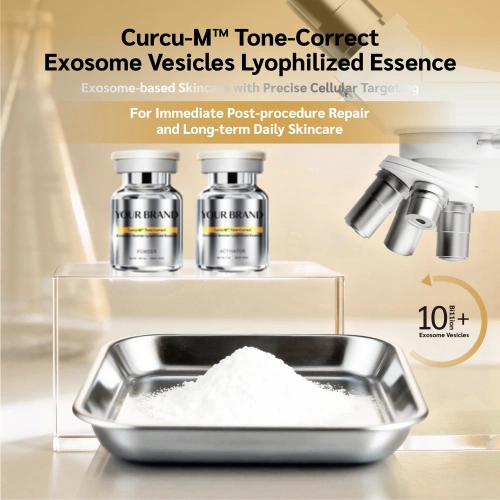
Customized Protocols: In a clinical setting, practitioners can tailor retinol usage based on individual client needs, considering factors such as skin type, age, and specific concerns like acne or pigmentation. Incorporating products like Curcu-M™ Tone-Correct Exosome Vesicles Lyophilized Essence can complement these protocols effectively.

Training for Staff: Educating staff on the proper use and benefits of retinol serums ensures that they can effectively communicate with clients, enhancing overall service quality.

By understanding the applications and benefits of retinol anti-aging serums in professional settings, buyers can better position their products to meet the needs of both retail and clinical markets.

In summary, choosing the right retinol anti-aging serum requires careful consideration of formulation, specifications, cost factors, and potential challenges. A strategic approach not only enhances product offerings but also builds trust with customers and clients alike.

How to Choose the Right Retinol Anti-Aging Serum for Your Business Needs

Selecting the right retinol anti-aging serum involves evaluating various factors that align with your brand's goals and customer expectations. First, consider the concentration of retinol in the formula. Higher concentrations may offer more noticeable results but can also lead to increased irritation, making lower concentrations more suitable for sensitive skin types.

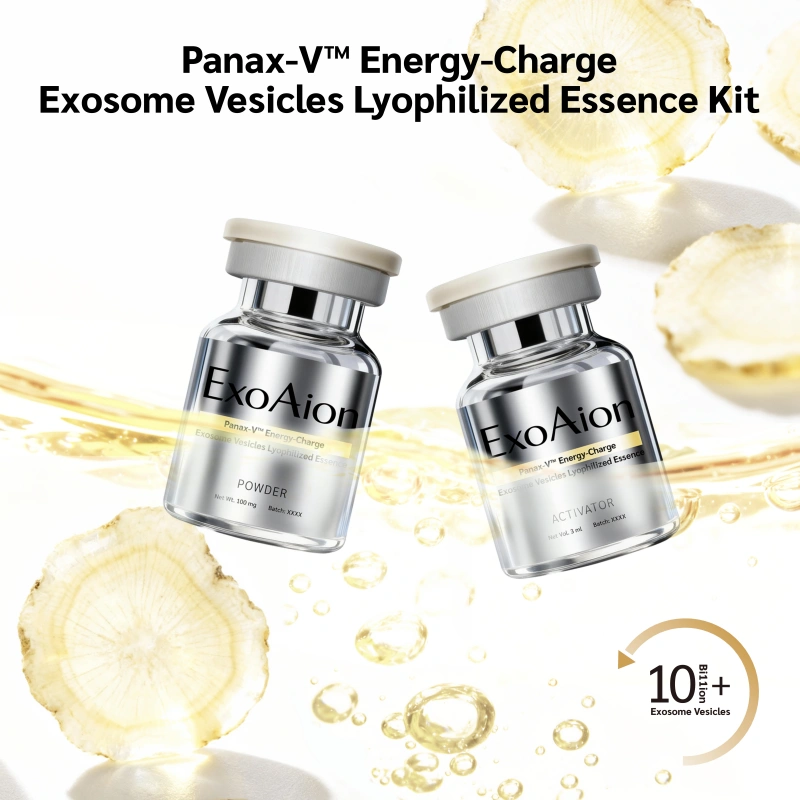
Next, assess the formulation's additional ingredients. Serums enriched with antioxidants, peptides, or hyaluronic acid can provide complementary benefits, enhancing the serum's overall effectiveness. Buyers should also examine the delivery system; encapsulated retinol or time-release formulations can improve stability and reduce irritation, making them preferable for certain applications. Additionally, incorporating products like Panax-V™ Energy-Charge Exosome Vesicles Lyophilized Essence can enhance the efficacy of retinol serums.

Finally, consider the target demographic. Understanding the skin types and concerns of your target market will inform not only the choice of serum but also packaging and marketing strategies. This tailored approach ensures that the product meets specific consumer needs and maximizes market potential.

Our Blog Posts

ExoAion Natural Plant-Derived Exosomes: Redefining Next-Generation Bioactive Ingredients for Skincare Innovation

04

Nov

ExoAion Natural Plant-Derived Exosomes: Redefining Next-Generation Bioactive Ingredients for Skincare Innovation

For the past decade, the skincare industry has been on a search for the next big active ingredient that goes beyond mere hydration and truly communicates with cells. Plant-derived exosomes are that candidate: a biological smart delivery system that s...
View More
How ExoAion Plant-Derived Exosomes Support the Future of Clean Beauty Formulations

04

Nov

How ExoAion Plant-Derived Exosomes Support the Future of Clean Beauty Formulations

Beauty is at a turning point when it comes to clean. The trend started as a protest against the use of dubious ingredients and has grown into something more in-depth: people value the safety of clean beauty as well as the efficacy of clinical skincar...
View More
Building Competitive Skincare Products with ExoAion Plant-Derived Exosome Solutions

04

Nov

Building Competitive Skincare Products with ExoAion Plant-Derived Exosome Solutions

The exosome skin care market is rapidly maturing, and with a maturing market comes a bigger question – does the brand have the capability to develop a product with exosome ingredients that will stand up to regulatory approval, consumer doubt, a...
View More

Get a Free Quote

Our representative will contact you soon.
Email
Name
Company Name
Message
0/1000

Related product categories

Natural extracellular vesicles, leading cellular-level anti-aging solutions
Omini Dynamics is a technology-driven manufacturer specializing in plant-derived exosome ingredients and OEM/ODM skincare solutions.
Subscribe To Our Newsletter

Get a Free Quote

Our representative will contact you soon.
Email
Name
Company Name
Message
0/1000