As the demand for effective skincare solutions increases, the market for aging serums continues to expand. The best aging serum can help rejuvenate skin, reduce fine lines, and improve overall skin texture. For B2B buyers, including purchasing managers and product managers in the beauty and healthcare sectors, understanding the sourcing, quality, and application of these products is crucial. This article will illuminate key considerations in selecting aging serums, providing practical knowledge for informed purchasing decisions.
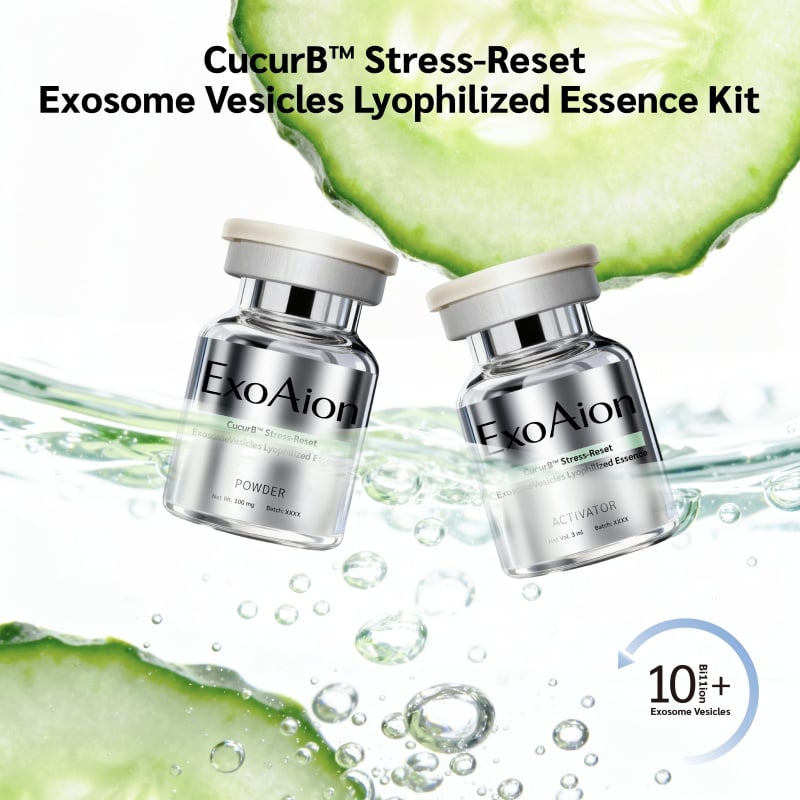
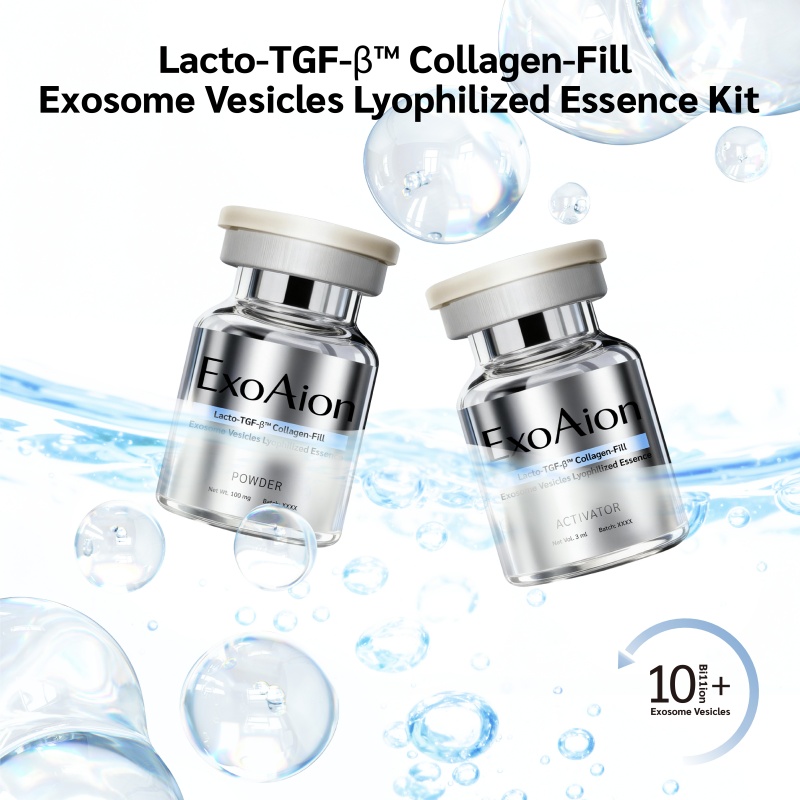
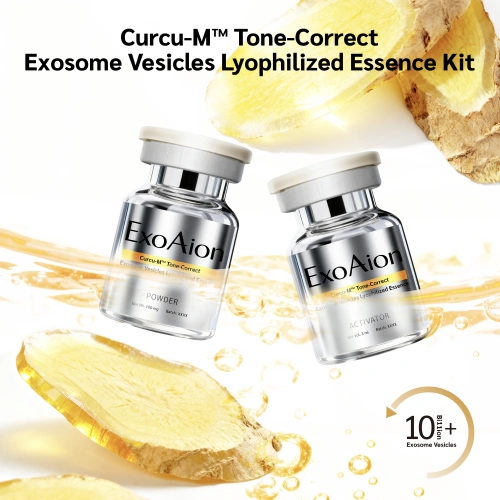
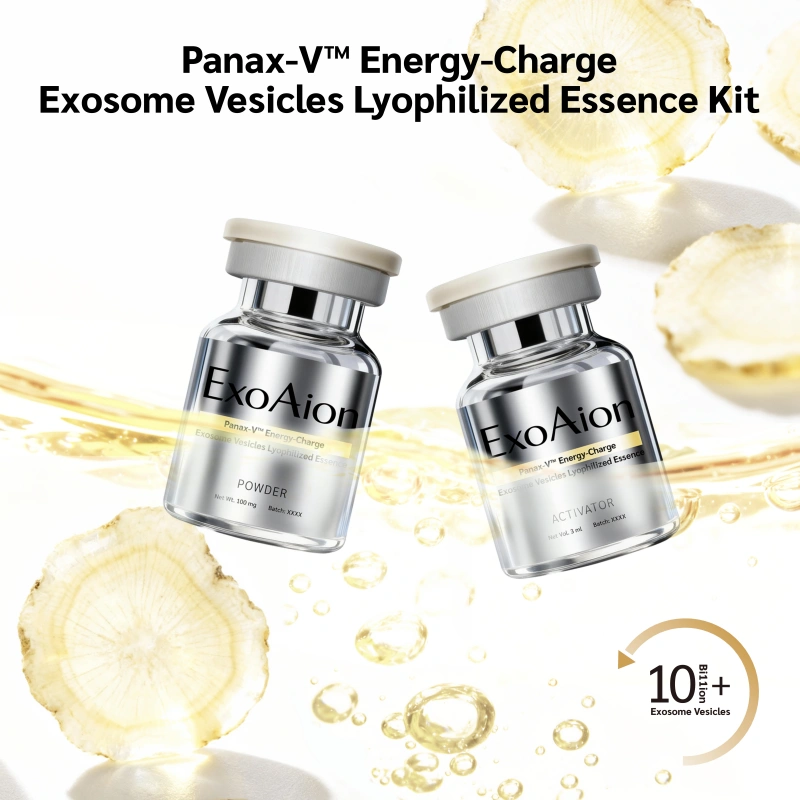
Compare Quality Standards for Aging Serums in the Market
Quality standards for aging serums can vary significantly among suppliers. When evaluating products, consider the following specifications:
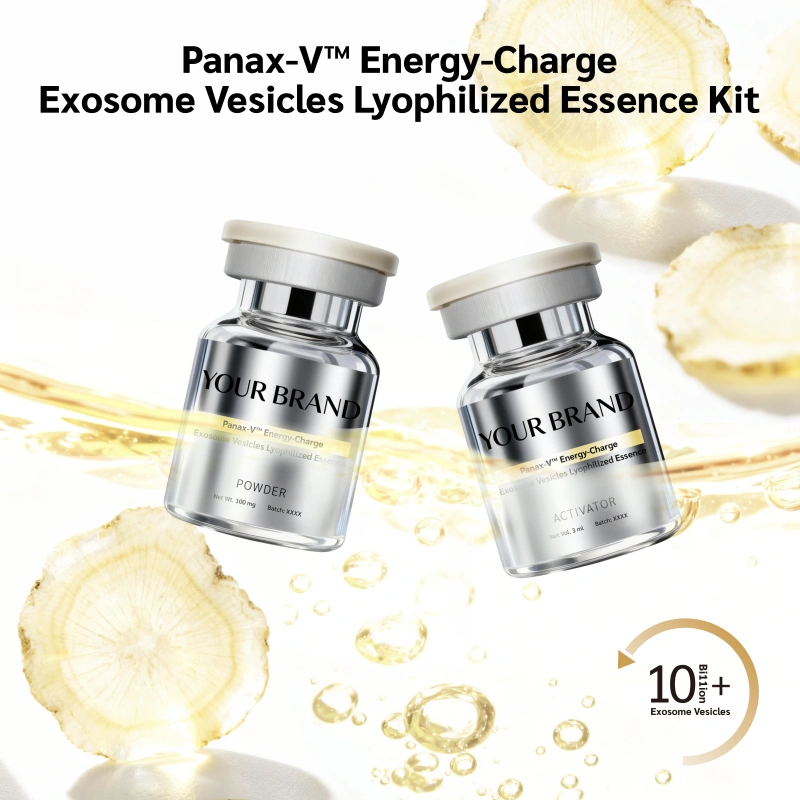
Active Ingredients: Common active components include peptides, hyaluronic acid, and antioxidants. Understanding their concentrations and effectiveness is crucial for determining product efficacy. For instance, the Panax-V™ Energy-Charge Exosome Vesicles Lyophilized Essence is known for its potent active ingredients.
Formulation Stability: Aging serums should maintain their potency over time. Buyers should look for products that have undergone stability testing, ensuring that the ingredients remain effective throughout the shelf life.
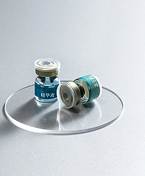
Packaging: The packaging should protect the serum from oxidation and contamination. Airless pumps and dark glass bottles are often preferred as they help preserve the integrity of the active ingredients.
Clinical Testing: Seek products that have been clinically tested for efficacy and safety. This information can often be found in technical data sheets or upon request from the supplier.
Regulations and Certifications: Confirm that the aging serums comply with the local regulations in your target market. Certifications such as ISO or cruelty-free status can also add credibility.