Lyophilized serum, a concentrated form of serum that has undergone freeze-drying, offers a myriad of applications in various industries, particularly in biotechnology and pharmaceuticals. For B2B buyers, understanding the nuances of lyophilized serum is crucial. Key concerns include sourcing reliable suppliers, ensuring product specifications meet their needs, and evaluating cost factors. This article will provide insights into the applications, specifications, sourcing, costs, and installation guidance for lyophilized serum, helping buyers make informed decisions.
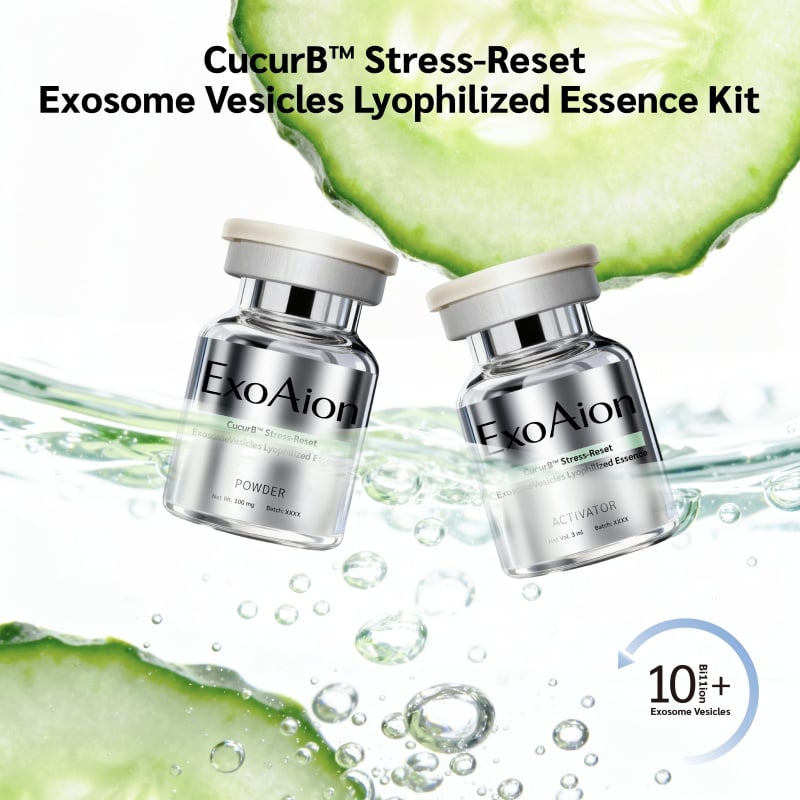
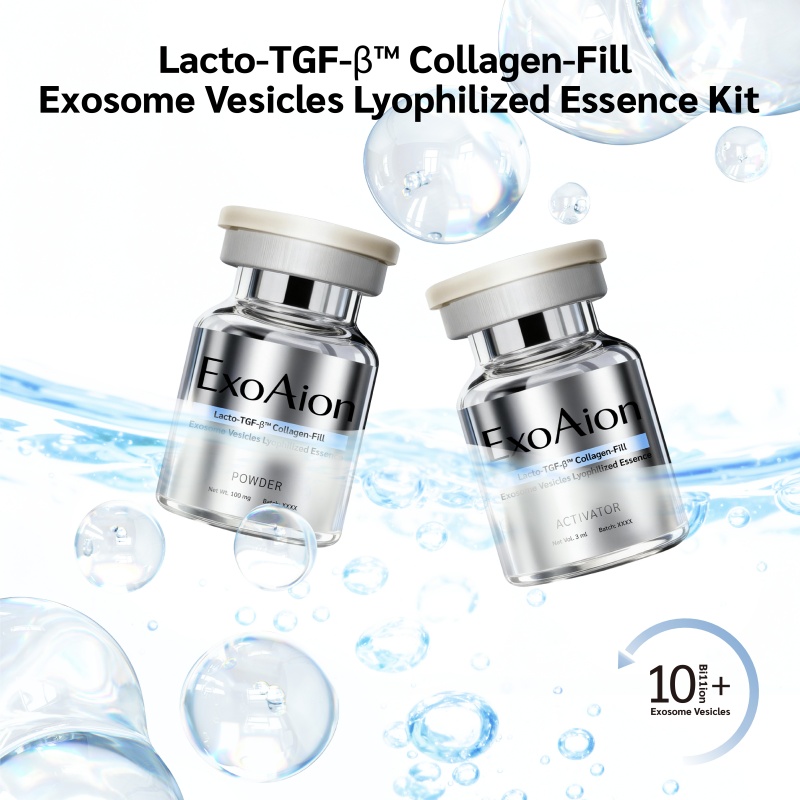
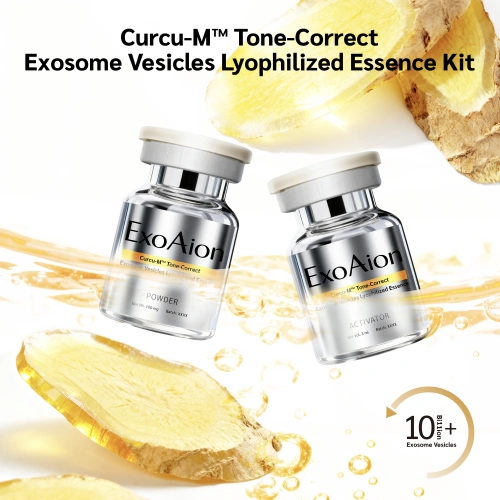
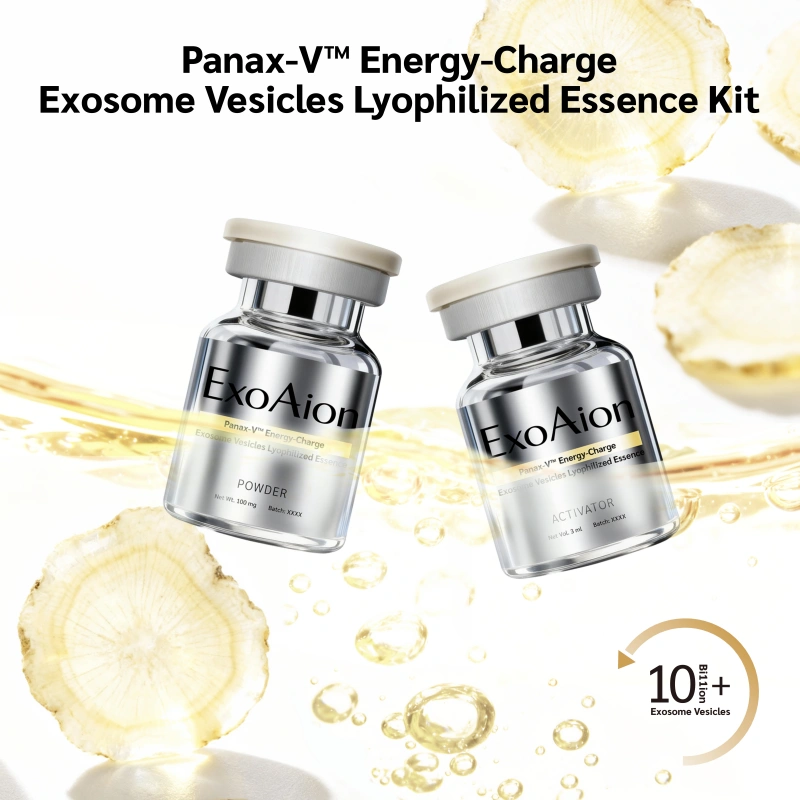
Key Specifications for Lyophilized Serum
When considering lyophilized serum, several key specifications should be evaluated
Source Material: The origin of the serum (e.g., human, bovine, or porcine) can significantly impact its suitability for specific applications. For instance, human serum may be required for certain clinical applications, while bovine serum is popular in research settings
Composition: Buyers should verify the specific components and concentrations of growth factors, hormones, and proteins in the serum. This information is critical for ensuring that the serum meets the specific requirements of the intended application
Sterility: Certifications confirming the sterility of the lyophilized serum are essential. This should include information on the sterilization process employed and any quality control measures taken to prevent contamination
Reconstitution Guidelines: Understanding the reconstitution process is vital. Buyers should ensure that the serum can be easily reconstituted to the desired concentration without losing its bioactivity
Shelf Life: The stability of lyophilized serum is influenced by storage conditions and packaging. Buyers should inquire about the shelf life and any recommended storage conditions to maintain product integrity