The demand for innovative skincare solutions has led to the rise of contract exosome skincare manufacturing, a specialized area focusing on harnessing exosomes for their regenerative properties. Exosomes, which are nanosized vesicles secreted by cells, play a vital role in cell communication and can significantly enhance skin rejuvenation processes. For B2B buyers, such as purchasing managers and product developers, understanding the intricacies of contract exosome skincare manufacturing is crucial. This article will guide you through evaluating quality, essential specifications, the benefits of bulk orders, cost factors, and common production challenges in this niche market.
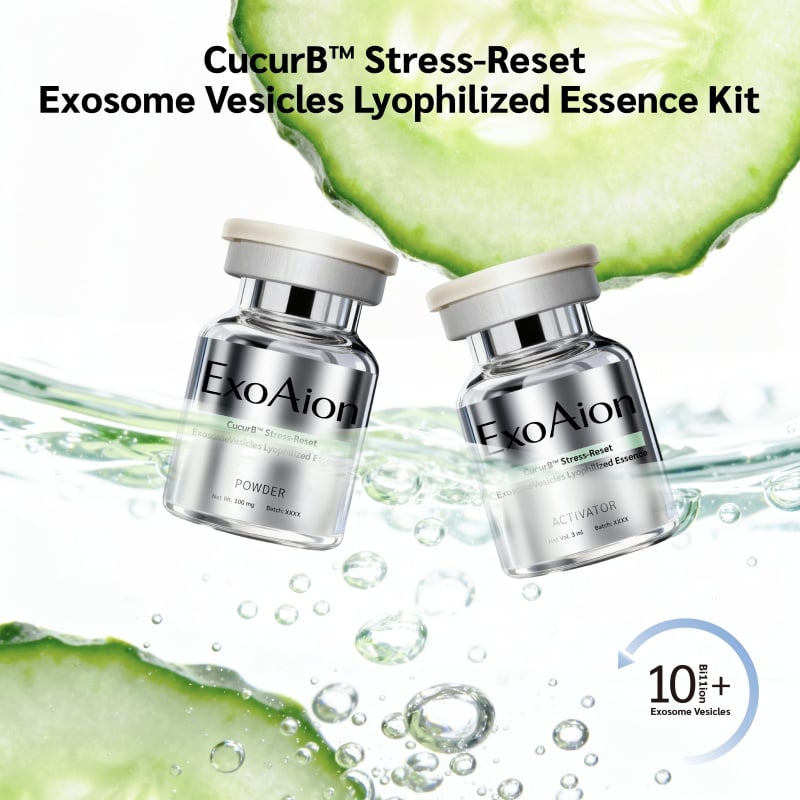
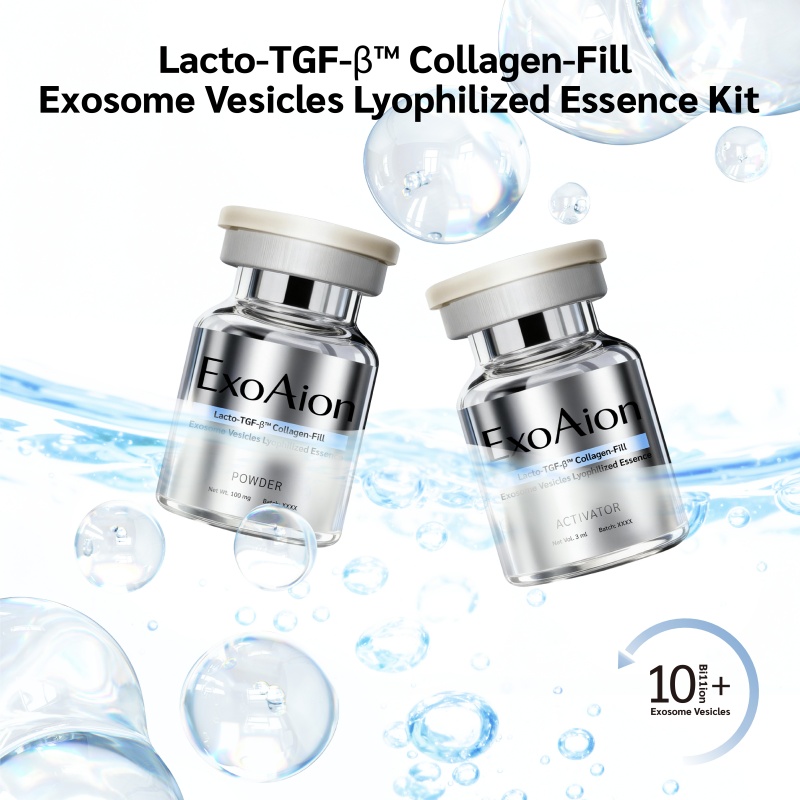
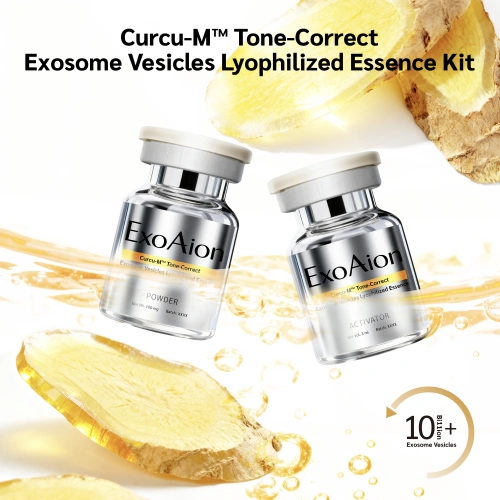
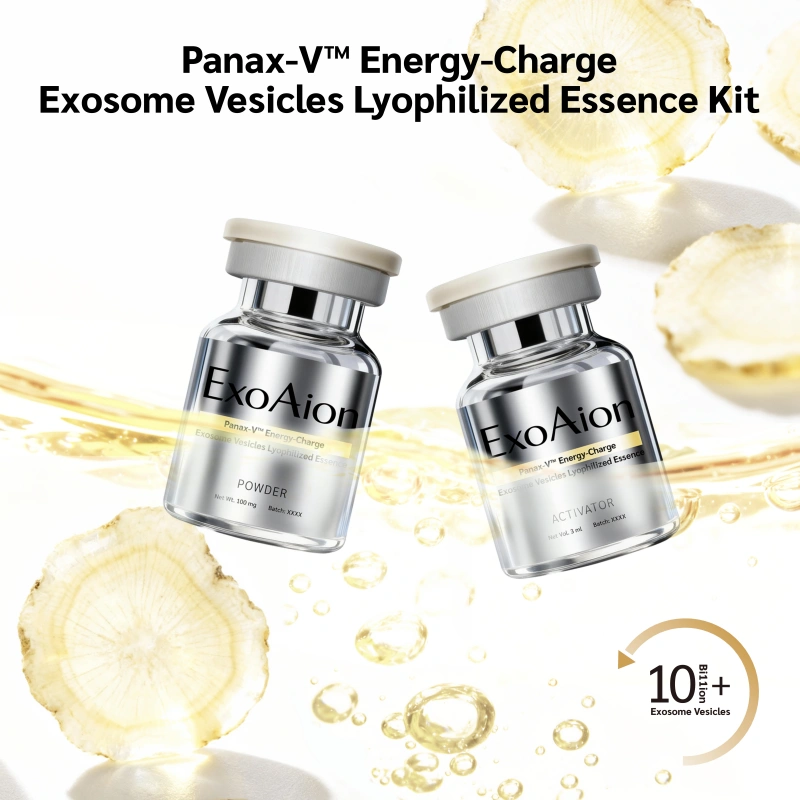
Key Specifications for Contract Exosome Skincare Products
Understanding the key specifications for contract exosome skincare products is vital for ensuring compatibility with your brand's goals. Some of the primary specifications to consider include:
Exosome Concentration: This refers to the number of exosomes per milliliter in the formulation. Higher concentrations often lead to more pronounced skin benefits, but the optimal level may vary based on intended use.
Purity Levels: It’s crucial that the exosomes are free from contaminants, including proteins and nucleic acids that may affect skin compatibility. Look for manufacturers who provide documentation of purity testing.
Storage Conditions: Exosomes are sensitive to environmental factors. Verify the manufacturer’s recommended storage conditions and shelf life to ensure product stability throughout its lifecycle.
pH Levels: The pH of the formulation can significantly impact its effectiveness and skin compatibility. Ensure that the pH is within a range that is suitable for skincare applications, typically around 5.5 to maintain skin barrier integrity.
By confirming these specifications, buyers can ensure that they are selecting products that meet their quality standards and application requirements.