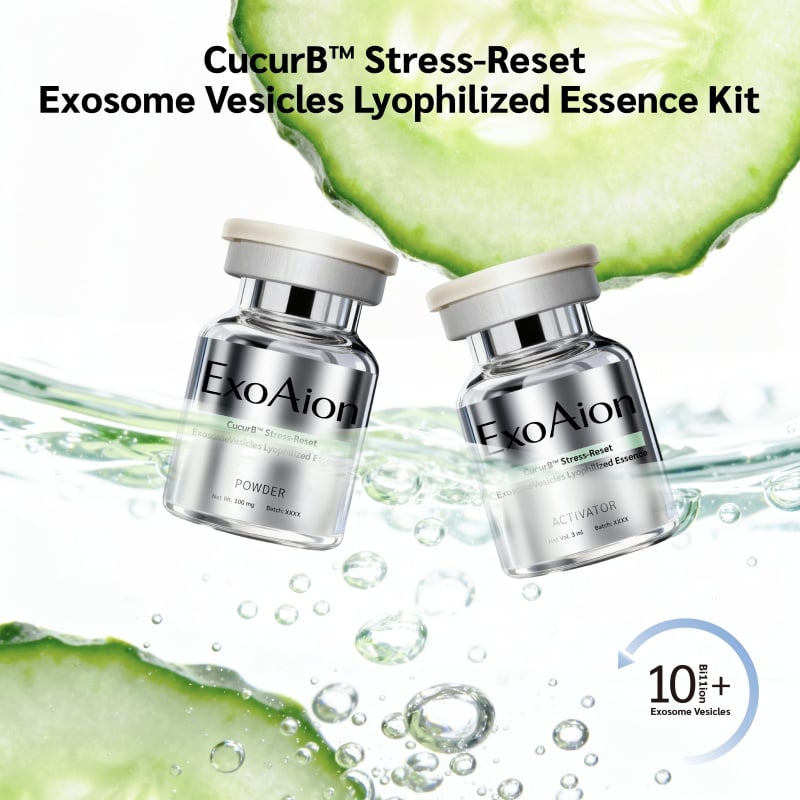
Sterile lyophilized powder is a specialized product crucial for various applications in the pharmaceutical and biotechnology industries. This form of powder, achieved through a freeze-drying process, ensures the stability and potency of sensitive biological materials, such as proteins, vaccines, and exosomes. For B2B buyers, understanding the sourcing, specifications, and applications of sterile lyophilized powder is essential to ensure quality and compliance with industry standards. This article will guide you through reliable sourcing options, critical specifications, common challenges, various applications, and effective installation guidance to help you make informed purchasing decisions.
Key Specifications of Sterile Lyophilized Powder You Should Know
When evaluating sterile lyophilized powder, several key specifications are crucial to ensure it meets your application requirements:
Moisture Content: The moisture level in lyophilized products should be controlled, generally below 5%. High moisture content can lead to degradation and loss of potency.
Particle Size: The uniformity of particle size can impact the dissolution rate and bioavailability of the active ingredients. Specifications should indicate the desired range for your specific application.
pH Level: The pH can influence the stability of the lyophilized powder in a vial product and its reconstitution behavior. Confirm the appropriate pH level for your intended use.
Sterility Assurance: Ensure that the manufacturer follows validated sterilization processes, and confirm the sterility assurance level (SAL) to guarantee product safety.
Shelf Life: Understanding the product's shelf life is essential, as it determines how long the powder can be stored without losing efficacy.
Buyers should verify these specifications against their application needs and perform quality checks on samples before finalizing orders.