Lyophilization, or freeze-drying, is a critical process in preserving sensitive materials, particularly in the pharmaceutical and biotechnology industries. By removing moisture from products without altering their structure, lyophilization maintains the integrity of active ingredients, such as medical-grade exosomes. As a purchasing manager or product manager, understanding ingredient lyophilization is essential for making informed decisions about sourcing and applying these ingredients in your products. This article will guide you through the considerations and best practices for selecting lyophilization ingredients, addressing common challenges, and evaluating costs and applications.
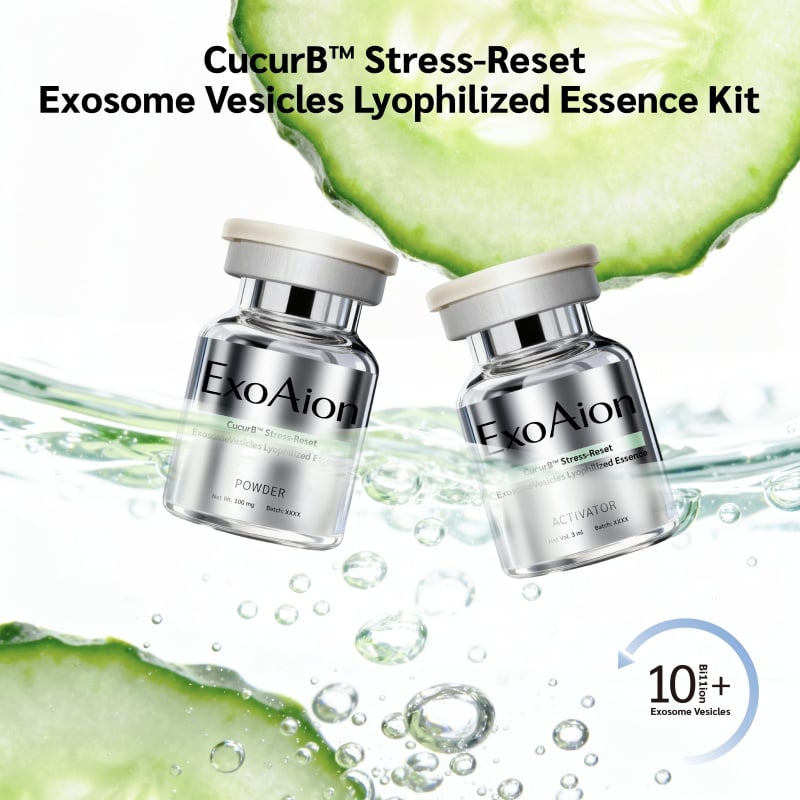
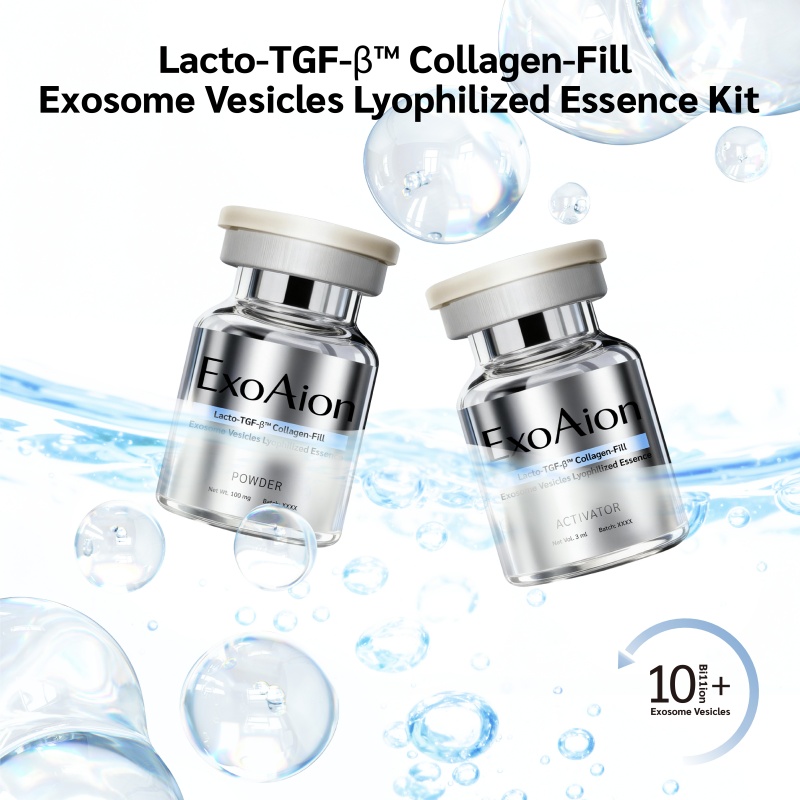
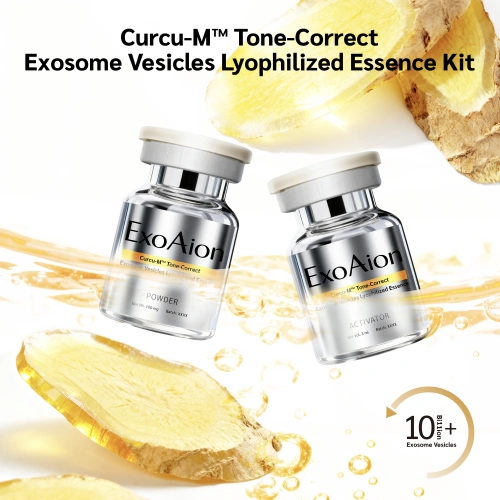
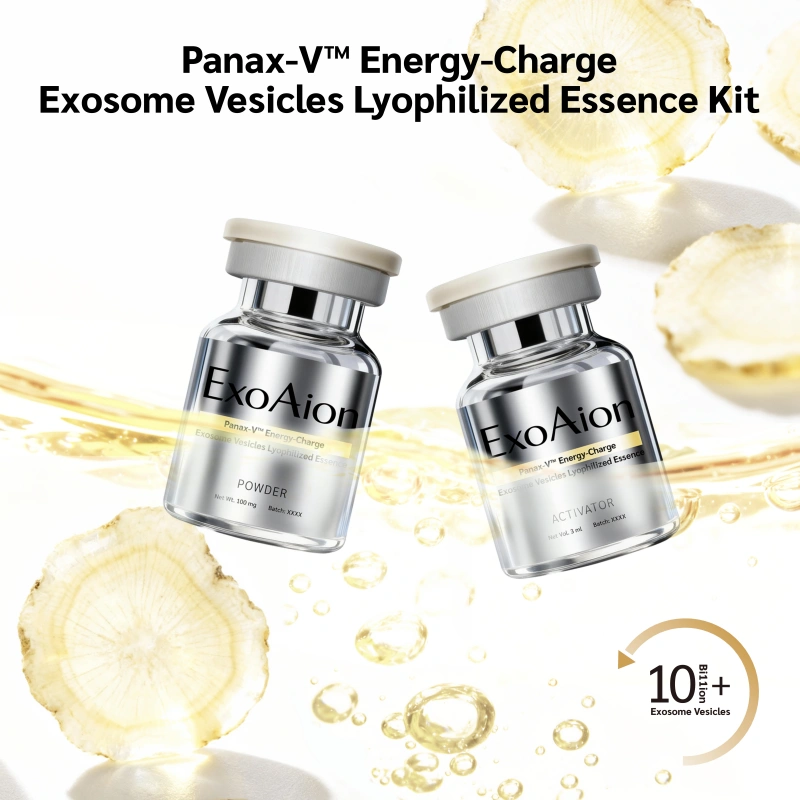
Key Factors for Lyophilization Ingredients
Several key factors influence the selection and effectiveness of lyophilization ingredients:
Chemical Structure: The molecular structure of the ingredient affects its behavior during the freeze-drying process. Ingredients with a high glass transition temperature can offer better stability.
Moisture Absorption: Ingredients should have low hygroscopicity to minimize moisture absorption after lyophilization, which can lead to product degradation.
Compatibility: Ensure that the lyophilization ingredients do not interact negatively with the active substances, which could alter their efficacy.
Regulatory Compliance: Depending on your market, certain ingredients may require specific certifications or compliance with regulations such as the FDA or EMA guidelines.
Cost-effectiveness: Evaluate the cost relative to the performance benefits offered by each ingredient. Sometimes, a higher upfront cost can be justified by improved product stability and efficacy.