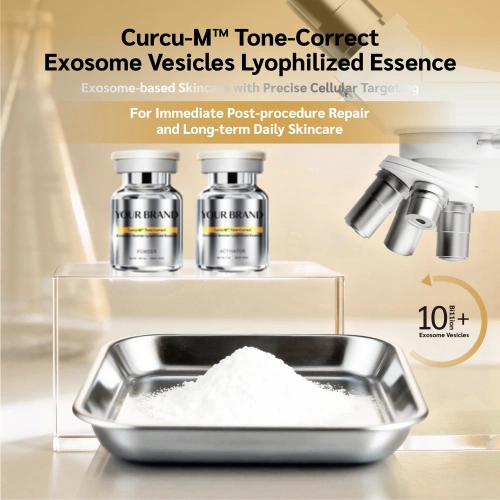
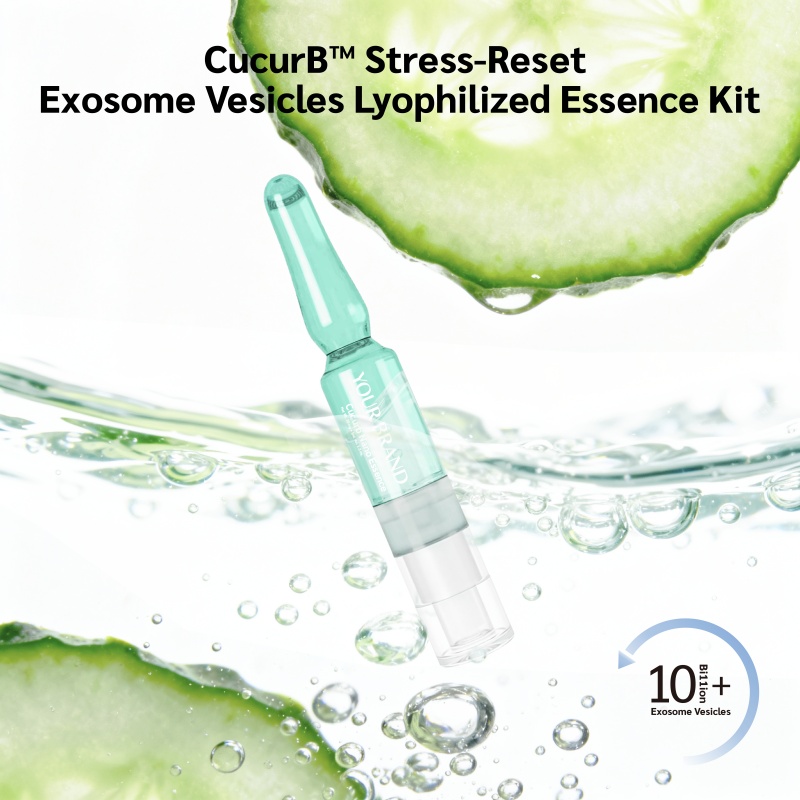
Choosing the best serum for face dry skin can significantly impact the overall health and appearance of the skin. For B2B buyers, such as purchasing managers or skincare formulators, understanding the specific needs of dry skin and evaluating the efficacy of serums is crucial. This article will guide you through key considerations when selecting serums, assessing quality, understanding cost factors, and addressing common challenges in the industry.
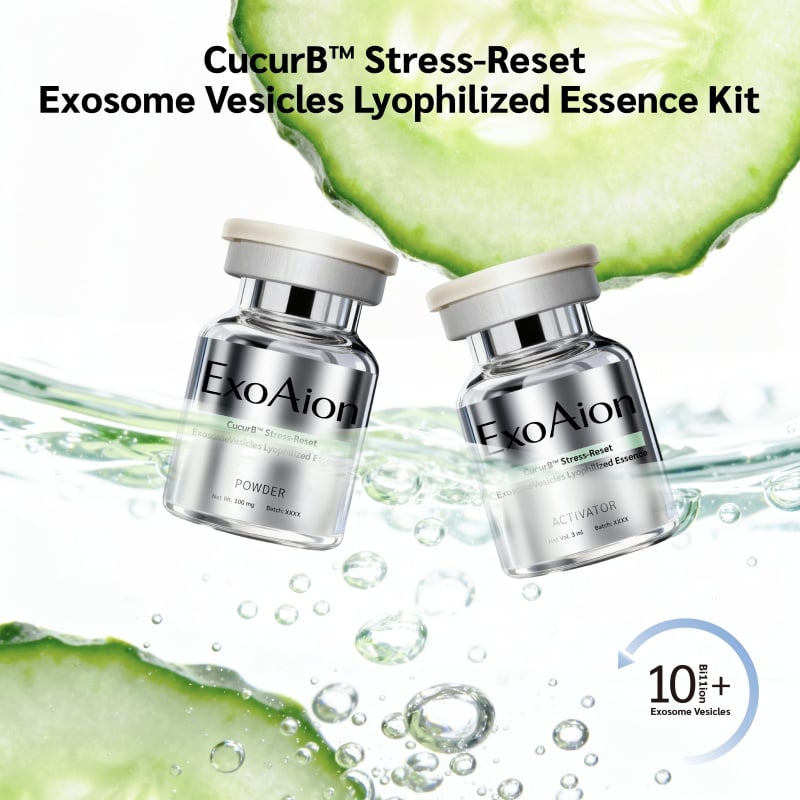
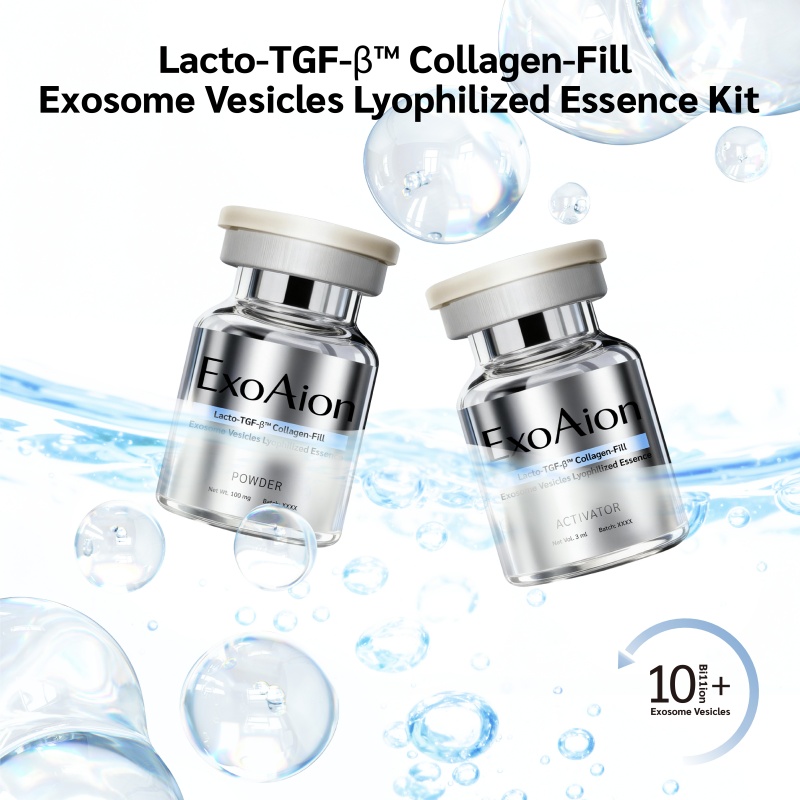
How to Evaluate the Quality of Serums for Dry Skin
Evaluating the quality of serums involves several critical steps:
Ingredient Sourcing: Assess the sourcing of active ingredients. High-quality serums often use sustainably sourced, medical-grade components. Transparency from suppliers about ingredient origins can enhance trust and reliability.
Manufacturing Processes: Look for certifications that indicate adherence to industry standards, such as Good Manufacturing Practices (GMP). A reliable manufacturer should provide information on their quality control processes, ensuring that each batch is tested for purity and efficacy.
Stability Testing: Quality serums undergo stability testing to confirm their shelf life and efficacy over time. Understanding this process can help buyers choose products that maintain their effectiveness right up to the expiration date.
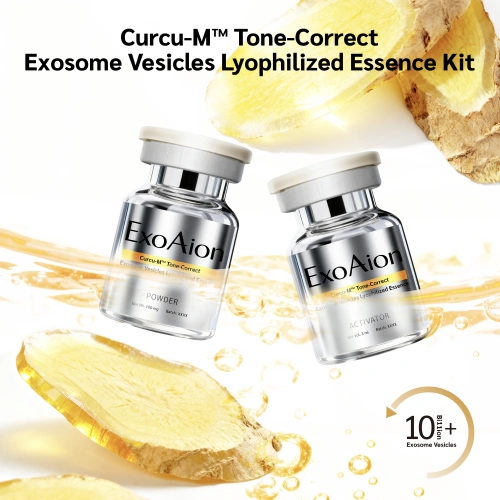
Consumer Feedback and Clinical Studies: Seek out serums that have empirical evidence supporting their claims. Look for clinical studies or testimonials that validate the product's effectiveness in improving dry skin conditions, such as those involving Curcu-M™ Tone-Correct Exosome Vesicles Lyophilized Essence.
Sample Testing: Before making bulk purchases, request samples to evaluate the serum's performance firsthand. Testing under actual conditions can reveal how the product interacts with consumers' skin types.