Choosing the Right Skin Serum for Dry Skin

skin serum for dry skin

Skin serums for dry skin are specialized products designed to hydrate, nourish, and restore moisture to parched skin. For B2B buyers such as purchasing managers, distributors, and product managers, understanding the intricacies of these serums is essential, especially when considering bulk purchases for commercial applications. This article will explore critical factors to consider when selecting a skin serum for dry skin, cost considerations for bulk purchasing, common issues and solutions associated with these products, insights into their ingredients, and options available for buyers and contractors.
Our Products

Cost Factors to Consider for Purchasing Skin Serum in Bulk

Cost considerations are paramount when purchasing skin serums in bulk. Here are several factors to keep in mind:

Minimum Order Quantity (MOQ): Understand the MOQ required by the supplier. This can significantly affect pricing and inventory management.

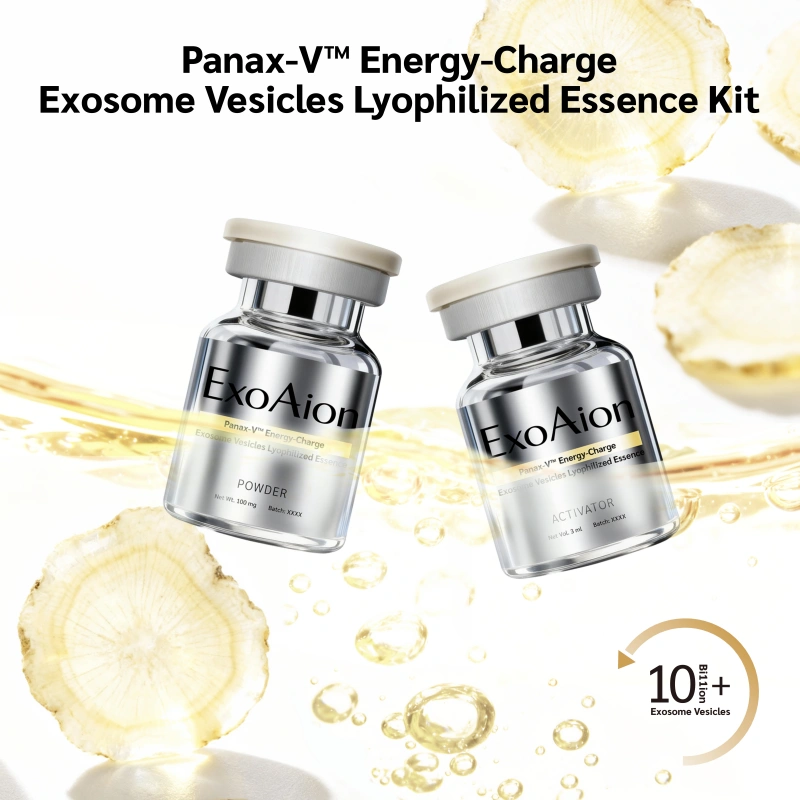
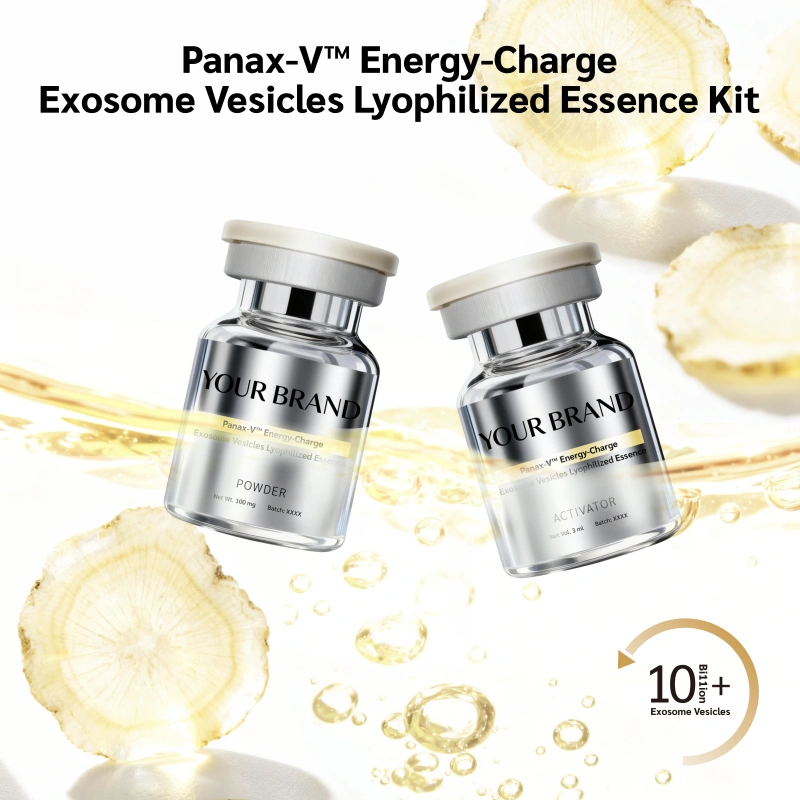
Production Costs: The cost of raw materials, formulation complexity, and manufacturing processes all influence the final price. A serum with high-performance ingredients may be more expensive but could offer better results, which can justify the cost. For example, consider the Panax-V™ Energy-Charge Exosome Vesicles Lyophilized Essence for its premium formulation.

Shipping and Handling: Consider the logistics involved in bulk ordering, including shipping costs and potential tariffs for international orders. Efficient logistics can help mitigate additional expenses.

Payment Terms: Negotiate favorable payment terms that align with your cash flow needs. This may include discounts for early payment or flexible financing options.

Supplier Reliability: Evaluate the supplier’s track record for timely deliveries and quality assurance. A slightly higher price might be acceptable for a supplier with a proven reliability history.
Common Problems and Solutions for Skin Serums for Dry Skin

While skin serums for dry skin can be highly effective, they may also present some common problems. Here are typical issues and their solutions:

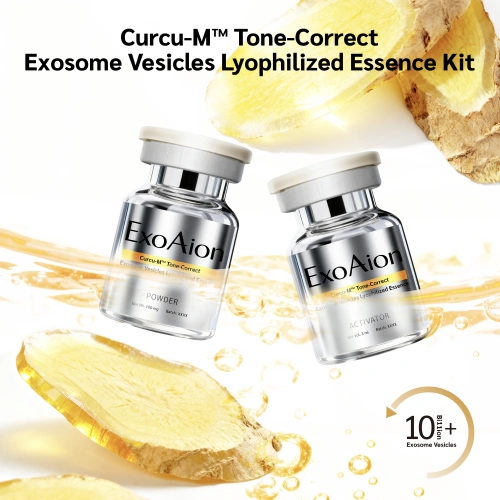
Inadequate Hydration: Some serums may not provide sufficient moisture. To address this, consider layering serums with a moisturizer to lock in hydration or selecting products specifically designed for extreme dryness, such as Curcu-M™ Tone-Correct Exosome Vesicles Lyophilized Essence.

Irritation or Allergic Reactions: Certain ingredients can cause irritation. Conduct patch tests before widespread use and opt for serums with hypoallergenic formulations or those free from common irritants like fragrances and parabens.

Ineffective Absorption: If a serum feels greasy or sits on the skin, it might not be absorbing properly. Review the formulation for the right balance of oils and water-based ingredients, and consider the application technique, promoting better absorption through gentle massaging.

Short Shelf Life: Many serums have a limited shelf life due to sensitive ingredients. Discuss storage recommendations and shelf-life stability data with suppliers to avoid waste and ensure product efficacy.

Technical Insights on Ingredients in Skin Serums for Dry Skin

Understanding the ingredients in skin serums is crucial for making informed purchasing decisions. Here’s a breakdown of some key components:

Hyaluronic Acid: Known for its ability to hold up to 1,000 times its weight in water, this ingredient is essential for hydration. Buyers should verify the molecular weight of hyaluronic acid used, as lower molecular weights can penetrate the skin better.

Peptides: These are short chains of amino acids that can help stimulate collagen production, improving skin elasticity. Their concentration and specific types (like matrixyl or copper peptides) can vary, impacting effectiveness.

Antioxidants: Ingredients like vitamin C and E help protect the skin from free radical damage. Ensure stability and concentration levels are validated, as these can affect performance.

Botanical Extracts: Natural extracts such as green tea or rosehip oil can provide additional benefits. However, buyers should confirm sourcing and extraction methods to ensure product purity and potency.

Preservatives: To prevent microbial growth, effective preservatives are necessary. Buyers should inquire about the safety and efficacy of preservatives used, particularly in formulations intended for sensitive skin.

Options for Buyers and Contractors

Buyers and contractors have several options when sourcing skin serums for dry skin:

Private Labeling: Many manufacturers offer private labeling options, allowing businesses to brand the serum under their name. This can be a cost-effective strategy for entering the market with established formulations.

Custom Formulations: For companies with specific needs, custom formulations can be developed. This requires clear communication of desired properties, target market, and regulatory requirements.

Sample Testing: Before committing to a bulk order, request samples to evaluate performance, texture, and overall suitability. Testing under actual operating conditions is advisable to assess product efficacy.

Contract Manufacturing: Engage with manufacturers who can produce serums according to specific requirements, including formulations, packaging, and labeling. This ensures that your product aligns with market demands and customer expectations.

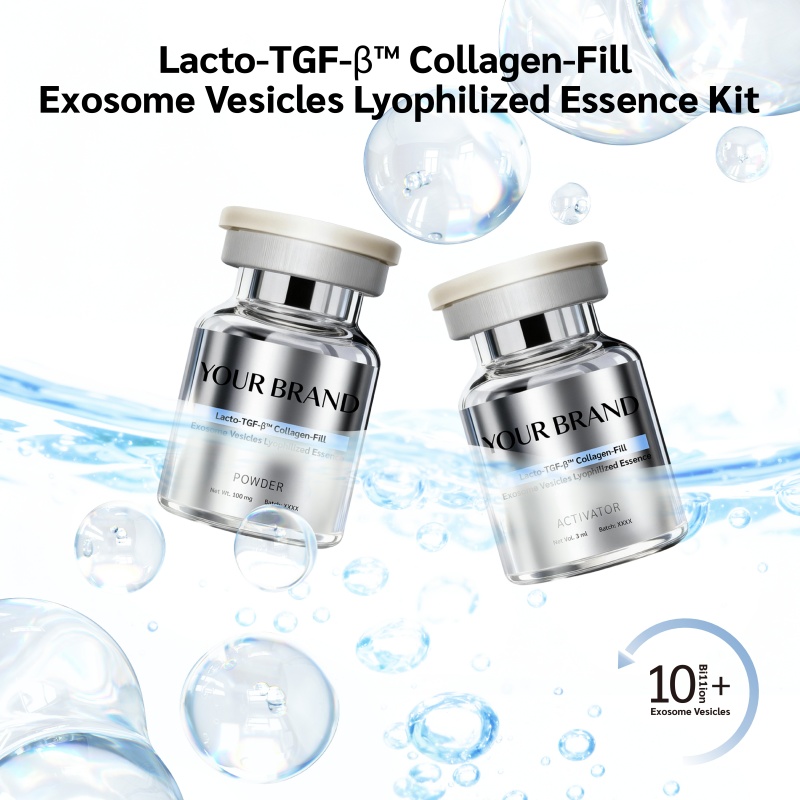
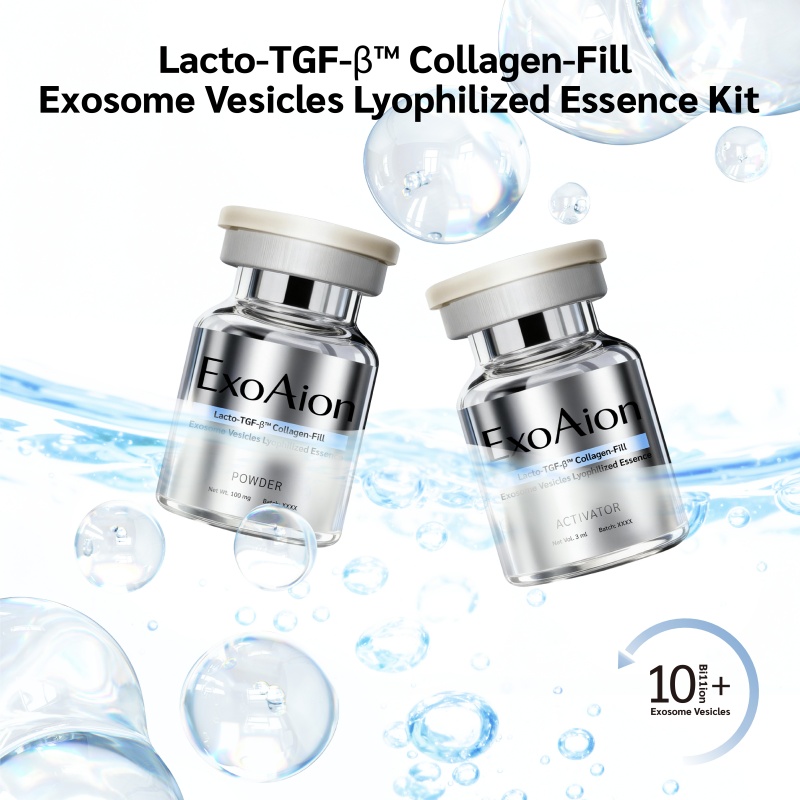
Volume Discounts: Explore pricing structures that offer discounts for larger orders. This can significantly reduce costs and improve profit margins when reselling or distributing the serums. Additionally, consider options like Lacto-TGF-β™ Collagen-Fill Exosome Vesicles Lyophilized Essence for enhanced performance.

By understanding these key aspects of skin serums for dry skin, B2B buyers can make informed purchasing decisions that meet their specific needs and those of their customers.

What to Consider When Choosing a Skin Serum for Dry Skin

When selecting a skin serum for dry skin, several factors must be considered to ensure product effectiveness and suitability for specific applications. Key considerations include:

Formulation: Look for serums that contain humectants such as hyaluronic acid, glycerin, and aloe vera, which help retain moisture. Additionally, serums with occlusive agents like squalane or shea butter can create a barrier that prevents moisture loss.

Skin Type Compatibility: Consider the specific needs of your target demographic. For example, sensitive skin may benefit from serums with calming ingredients like chamomile or calendula, whereas oily skin may require lighter formulations to avoid clogging pores.

Packaging: The packaging should protect the serum from light and air to maintain its efficacy. Airless pumps or dark glass bottles are often preferred to prevent oxidation and degradation of active ingredients.

Regulatory Compliance: Ensure that the serum formulation complies with relevant regulations in your target market. This includes ingredient safety, labeling requirements, and any certifications that may be important to your customers.

Our Blog Posts

Why Natural Plant-Derived Exosomes from ExoAion Are Becoming a Strategic Choice for Premium Skincare Brands

04

Nov

Why Natural Plant-Derived Exosomes from ExoAion Are Becoming a Strategic Choice for Premium Skincare Brands

The high-end skin care industry is becoming very competitive with its claims, but there is little real differentiation. Nanoscale vesicles that carry the language of the plants from which they originate are the next big thing in search of a meaningfu...
View More
The Science Behind ExoAion Exosomes: Harnessing Plant-Based Cellular Communication for Beauty Solutions

04

Nov

The Science Behind ExoAion Exosomes: Harnessing Plant-Based Cellular Communication for Beauty Solutions

Plant exosomes have come from the realm of academic interest to the commercial ingredient in a very short time, and it is through biology, not marketing, that this can be attributed. These nanoscopic vesicles contain the molecular signature of the pl...
View More
How ExoAion Plant-Derived Exosomes Support the Future of Clean Beauty Formulations

04

Nov

How ExoAion Plant-Derived Exosomes Support the Future of Clean Beauty Formulations

Beauty is at a turning point when it comes to clean. The trend started as a protest against the use of dubious ingredients and has grown into something more in-depth: people value the safety of clean beauty as well as the efficacy of clinical skincar...
View More
Building Competitive Skincare Products with ExoAion Plant-Derived Exosome Solutions

04

Nov

Building Competitive Skincare Products with ExoAion Plant-Derived Exosome Solutions

The exosome skin care market is rapidly maturing, and with a maturing market comes a bigger question – does the brand have the capability to develop a product with exosome ingredients that will stand up to regulatory approval, consumer doubt, a...
View More

Get a Free Quote

Our representative will contact you soon.
Email
Name
Company Name
Message
0/1000

Related product categories

Natural extracellular vesicles, leading cellular-level anti-aging solutions
Omini Dynamics is a technology-driven manufacturer specializing in plant-derived exosome ingredients and OEM/ODM skincare solutions.
Subscribe To Our Newsletter

Get a Free Quote

Our representative will contact you soon.
Email
Name
Company Name
Message
0/1000