Anti-aging face serums are specialized skincare products designed to reduce the signs of aging, such as wrinkles, fine lines, and skin elasticity loss. In the B2B sector, buyers—ranging from manufacturers to distributors—seek high-quality, effective formulations that resonate with their brand values and meet consumer expectations. This article will delve into the key specifications, evaluation criteria, common challenges, installation guidance, and sourcing tips for anti-aging face serums, providing valuable insights for informed purchasing decisions.
How to Evaluate the Quality of Anti-Aging Face Serums
Evaluating the quality of anti-aging face serums involves a multi-faceted approach. Here are some practical steps to ensure product quality:
Request Samples: Before placing a bulk order, always request samples. This allows buyers to assess the serum’s texture, absorption, and overall feel on the skin.
Check Certifications: Look for products that have undergone clinical testing or have certifications from recognized dermatological organizations. Certifications can provide credibility to the claims made by the manufacturer.
Ingredient Transparency: A reputable supplier should provide a complete list of ingredients, including concentrations. Transparency helps buyers avoid allergens and ensures formulation integrity.
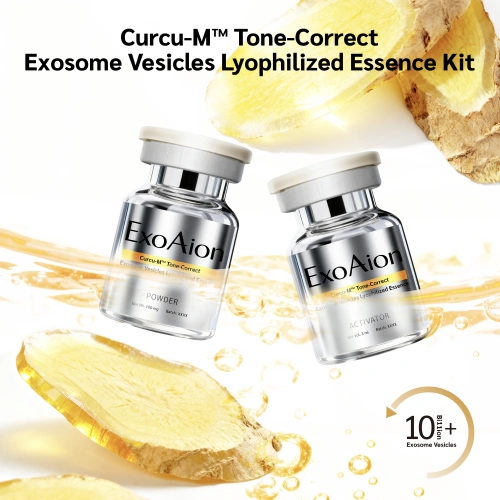
Manufacturing Practices: Investigate the manufacturer’s production processes. Good manufacturing practices (GMP) and adherence to regulatory standards are critical for ensuring product safety and effectiveness. For instance, incorporating Curcu-M™ Tone-Correct Exosome Vesicles Lyophilized Essence can also reflect a commitment to high manufacturing standards.
Customer Feedback: If possible, review testimonials or case studies from other businesses that have used the serum. This can provide insights into performance and customer satisfaction.