In the realm of skincare, dry skin serums for the face have emerged as essential products, particularly for businesses in the beauty and wellness sectors. These serums, designed to hydrate and restore moisture to dry skin, are vital for meeting consumer demands for effective skincare solutions. As a B2B buyer—be it a purchasing manager, distributor, or product manager—understanding the intricacies of selecting the right dry skin serum for your product line is crucial. This article will guide you through the key considerations in choosing the optimal serum, ensuring that you meet your customers' needs with high-quality, effective products.
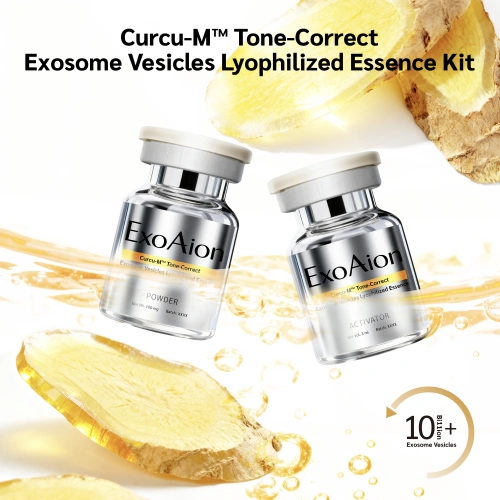
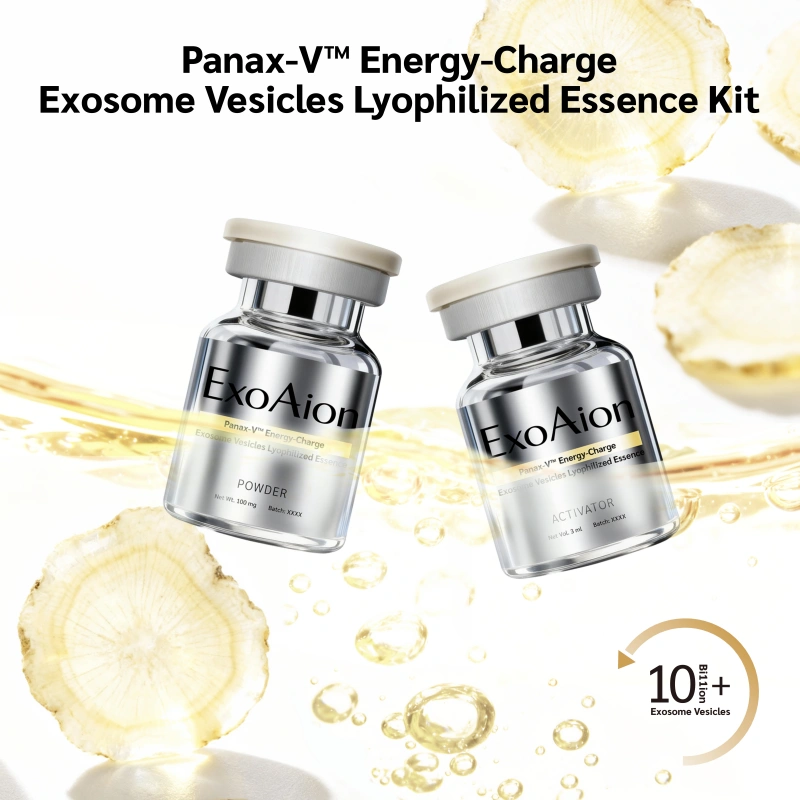
Specifications to Consider for High-Performance Dry Skin Serums
When assessing dry skin serums, several specifications are crucial to ensure product quality and performance.
Active Ingredients: Analyze the concentration and types of active ingredients. High concentrations of hyaluronic acid or ceramides can enhance hydration significantly.
pH Level: The pH of the serum should ideally be between 4.5 and 5.5 to match the skin's natural acidity, which helps maintain skin barrier integrity.
Viscosity: The thickness of the serum can impact application and absorption. A serum that is too thick may not spread easily, while one that is too thin may not provide adequate hydration.
Preservatives: Consider what preservatives are used, as they can affect skin sensitivity and shelf life. Opting for serums with gentle, effective preservatives can appeal to a broader customer base.
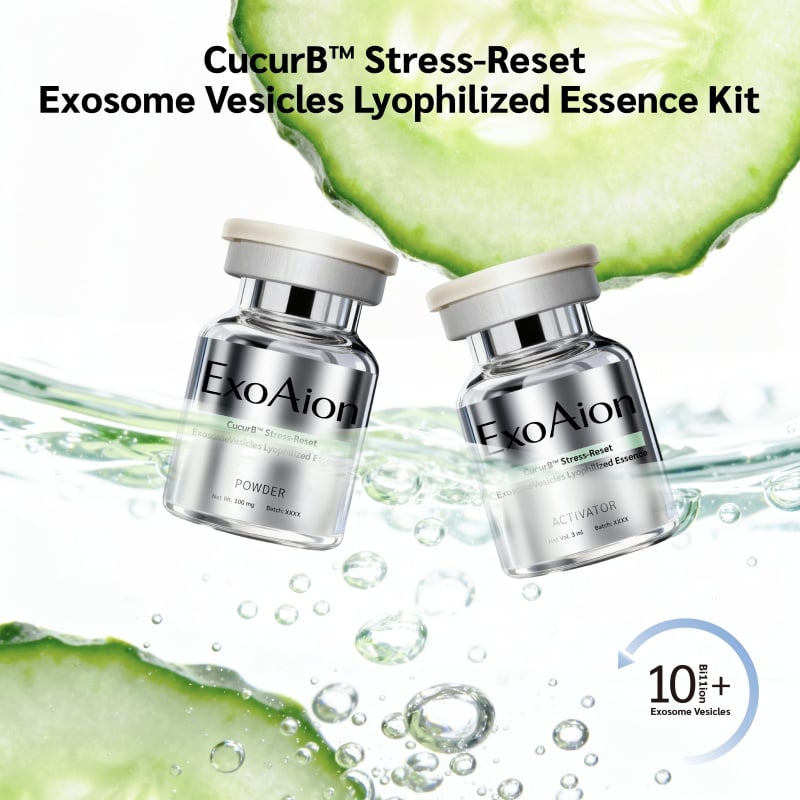
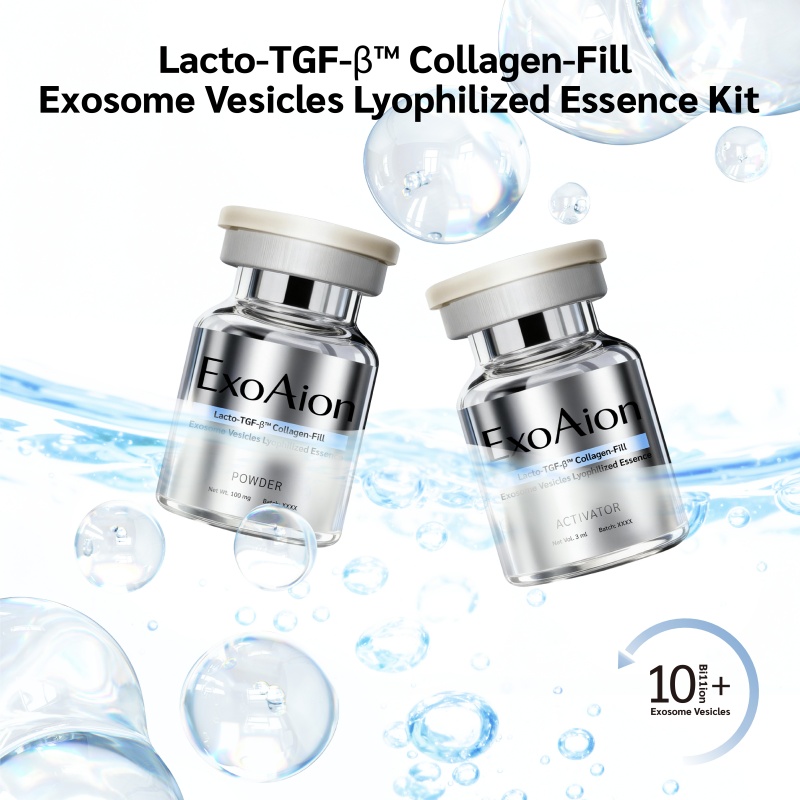
Packaging: Packaging affects the serum's stability and ease of use. Airless pumps or dark glass bottles can protect sensitive ingredients from light and air exposure, ensuring longevity and effectiveness.