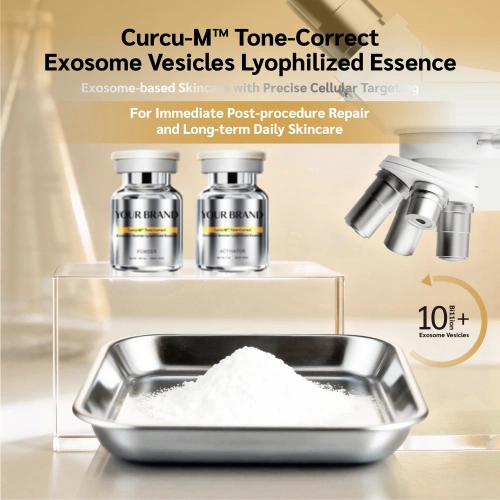
The demand for effective skincare solutions, particularly serums for wrinkles and fine lines, has surged as consumers increasingly seek non-invasive ways to combat signs of aging. For B2B buyers, such as purchasing managers and distributors, understanding the formulation, application, and quality of these serums is crucial. This article will delve into the characteristics of serums designed to reduce wrinkles and fine lines, highlighting key evaluation criteria, cost considerations for bulk orders, and the impact of exosome technology on product efficacy.
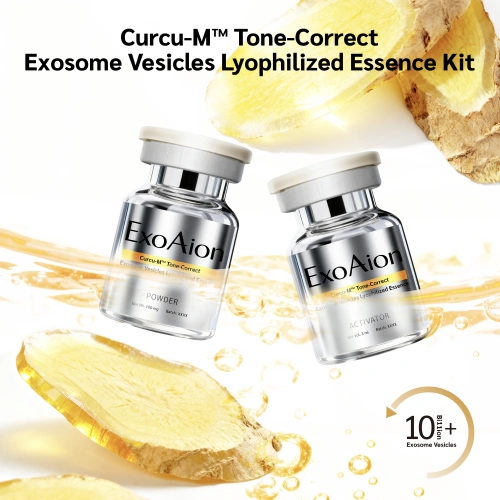
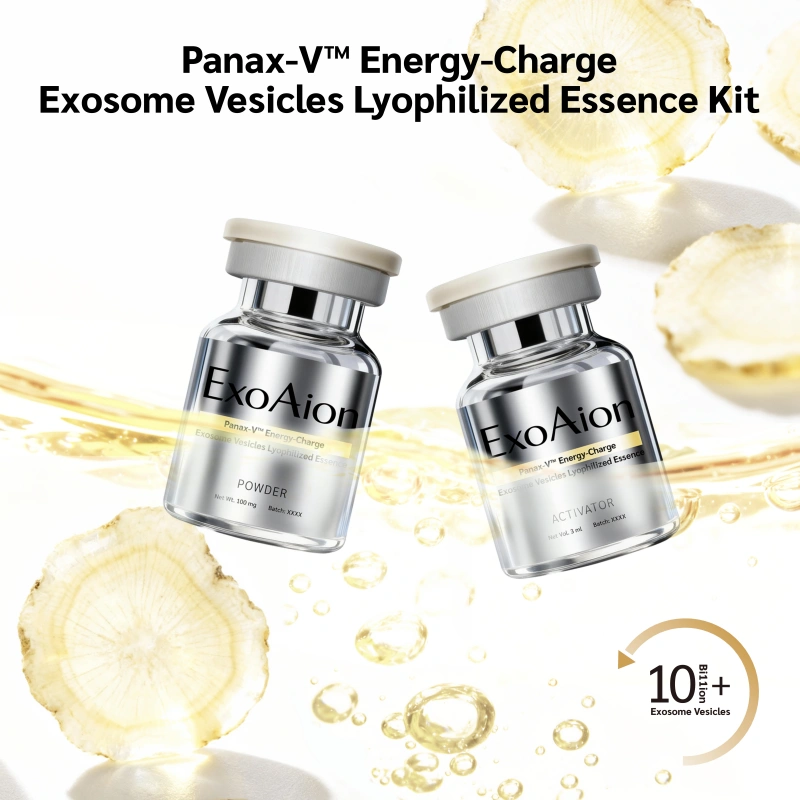
Where to Source Reliable Suppliers for Wrinkle Treatment Serums
Evaluating the quality of wrinkle and fine line serums involves several critical factors. First, consider the ingredient list. High-quality serums will typically contain a blend of scientifically backed active ingredients in effective concentrations. For instance, a serum with a high concentration of peptides may offer better results than one with minimal amounts.
Second, the manufacturing process plays a significant role in product quality. Buyers should inquire about the manufacturing capabilities of suppliers, including their production equipment and quality control processes. This ensures that the serums are produced in a controlled environment, minimizing contamination and ensuring consistency.
Additionally, certifications such as GMP (Good Manufacturing Practices) can indicate a supplier's commitment to quality. Buyers should also ask for stability and efficacy testing results to validate the claims made by the product.
Finally, samples should be requested and evaluated for texture, absorption, and overall skin feel. A product that feels good on the skin is more likely to satisfy end customers.