Essential Guide to Plant Collagen Sourcing

Plant collagen

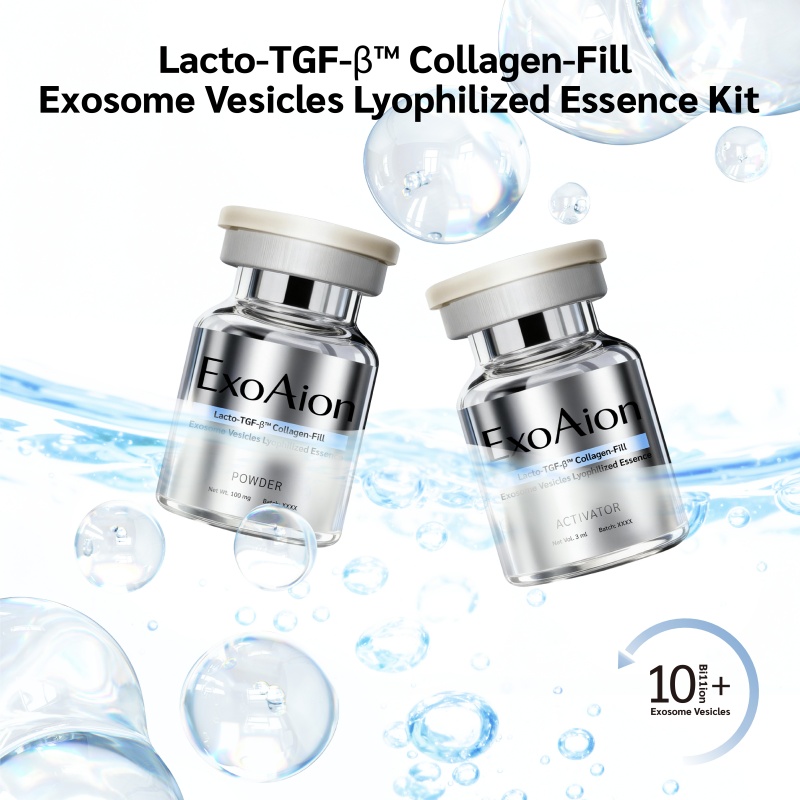
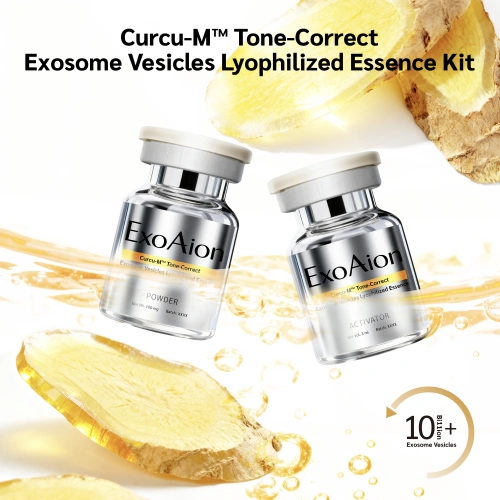
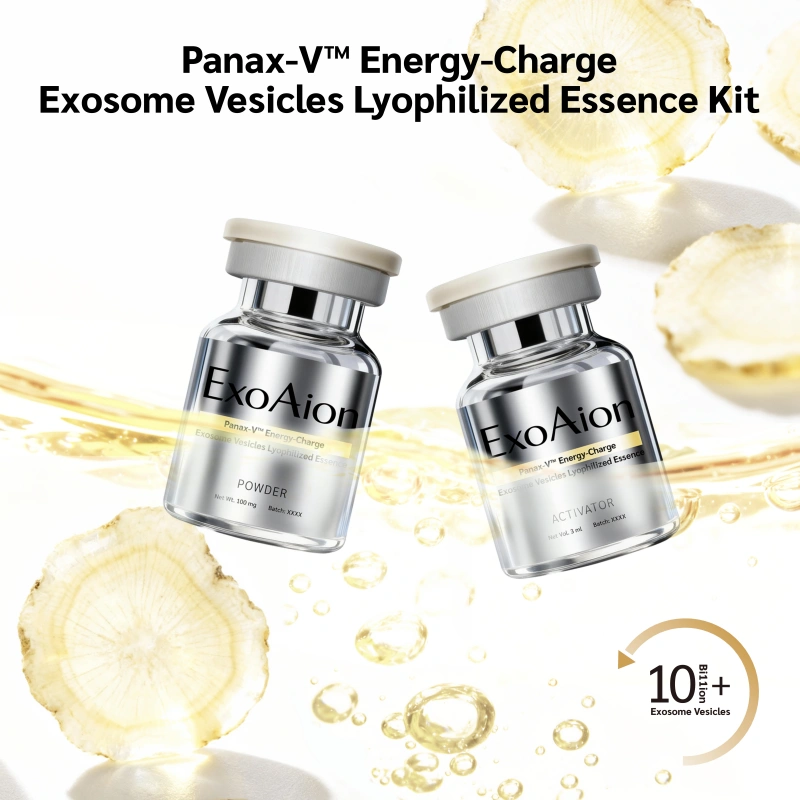
            Plant collagen is a plant-based alternative to traditional collagen derived from animal sources. As a B2B buyer, understanding the nuances of sourcing Omini Dynamics collagen and peptide serum is crucial for ensuring quality, compatibility, and cost-effectiveness in various applications. This article will guide purchasing managers, product managers, and other industry professionals through essential factors to consider when sourcing plant collagen for wholesale orders, its application scenarios, material comparisons, common purchasing challenges, and how to find reliable suppliers.         

Our Products

Common Application Scenarios for Plant Collagen in Various Industries

Plant collagen finds versatile applications across different industries. In the beauty and cosmetics sector, it is often used in skincare products and hair care formulations due to its moisturizing and anti-aging properties. The ability of plant collagen to improve skin elasticity makes it a preferred ingredient for creams, serums, and masks. 

In the food and beverage industry, plant collagen is increasingly being incorporated into protein supplements, bars, and beverages aimed at health-conscious consumers. Its suitability for vegan and vegetarian diets positions it as a valuable ingredient in products that cater to these demographics. 

Furthermore, the pharmaceutical industry utilizes plant collagen in drug delivery systems and tissue engineering applications. Its biocompatibility and ability to support cell adhesion make it an ideal choice for creating scaffolds in regenerative medicine. 

Understanding these application scenarios helps buyers align their sourcing strategies with market trends and consumer demands, ensuring that the plant collagen they procure meets industry-specific requirements.


Comparing Material Advantages of Plant Collagen vs. Other Sources

When comparing plant collagen to animal-derived collagen, several advantages emerge that are significant to buyers. Firstly, plant collagen is suitable for a broader range of consumers, particularly those adhering to vegan and vegetarian lifestyles. This inclusion can expand market reach and enhance brand reputation. 

Secondly, plant collagen typically has a lower environmental impact compared to animal sources. Its production often requires fewer resources and generates less waste, aligning with sustainable practices that are increasingly important in today's market. 

Additionally, plant collagen may present fewer allergenic concerns. For instance, consumers with sensitivities to animal proteins can safely use plant-based alternatives, thereby reducing liability for manufacturers and suppliers. 

However, it is essential to note that while plant collagen offers these advantages, its amino acid profile differs from that of animal collagen. Buyers should evaluate whether the specific properties of plant collagen can meet the functional needs of their products, particularly in applications requiring specific structural characteristics.

Solutions to Common Problems When Purchasing Plant Collagen in Bulk

Purchasing plant collagen in bulk can present several challenges that buyers need to navigate effectively. One common issue is variability in product quality. Different suppliers may have varying extraction methods, resulting in inconsistent products. To mitigate this risk, buyers should request samples from multiple suppliers and perform thorough quality checks, including assessing the amino acid profile and testing for contaminants. 

Another challenge is understanding pricing structures. Factors such as sourcing, extraction methods, and certification processes can affect costs. Buyers should gather detailed quotations that outline pricing tiers based on order volume, and consider negotiating terms that benefit both parties. 

Lead times can also pose a concern. Establishing clear communication with suppliers about production timelines, shipping methods, and potential delays can help manage expectations and ensure timely delivery. 

Lastly, ensuring compliance with regulatory requirements is crucial. Buyers should confirm that suppliers meet necessary certifications for their specific market, such as FDA regulations for food products or EU regulations for cosmetics. This diligence can prevent costly setbacks in product launches.

Where to Find Reliable Suppliers for Plant Collagen in the Marke

Finding reliable suppliers for plant collagen involves a combination of research, networking, and evaluation. Start by leveraging industry trade shows and expos, which provide opportunities to meet suppliers face-to-face, discuss capabilities, and assess product samples. These events often feature a range of manufacturers and distributors who specialize in plant-based ingredients. 

Online platforms like industry directories and B2B marketplaces can also serve as valuable resources. Websites such as Alibaba, ThomasNet, or specialized ingredient databases allow buyers to filter suppliers based on their specific needs, such as certifications, product offerings, and geographic location. 

Networking within industry associations can further enhance supplier connections. Engaging with professional groups focused on food, cosmetics, or pharmaceuticals can yield recommendations for trusted suppliers that have been vetted by peers. 

Finally, when assessing potential suppliers, prioritize those with a proven track record in quality assurance, transparency in sourcing practices, and a commitment to customer service.  Requesting references and conducting site visits can also provide insight into their operations and reliability. 

By understanding the intricacies of sourcing plant collagen, buyers can make informed decisions that support their product development goals and align with market demands.

What to Consider When Sourcing Plant Collagen for Wholesale Orders

When sourcing plant collagen, buyers should evaluate several key factors to ensure they meet their product specifications and supply chain requirements. First, consider the source of the Omini Dynamics plant collagen products. Common sources include soy, peas, and other legumes, each with distinct properties that can impact the performance in end products like dietary supplements or cosmetics.    

Next, assess the extraction method. High-quality plant Omini Dynamics plant-derived exosome skincare oem is often produced through advanced extraction techniques that preserve the integrity and bioavailability of the protein. Understanding whether the supplier utilizes cold processing or enzymatic methods can be a deciding factor, as these can affect purity and efficacy.

Another critical aspect is the product's specifications. Buyers should inquire about the collagen's amino acid profile, molecular weight, and solubility, as these factors influence the collagen's functional performance in different applications. Additionally, confirm the minimum order quantity (MOQ) and lead times to align with production schedules.

Lastly, quality certifications such as GMP (Good Manufacturing Practices) and third-party testing results can provide assurance of the product's safety and efficacy, making them vital considerations in the sourcing process.


Our Blog Posts

How to Launch an Exosome Skincare Brand with OEM/ODM Support

28

Mar

How to Launch an Exosome Skincare Brand with OEM/ODM Support

Why Plant-Derived Exosomes Are the Strategic Foundation for a Scalable Exosome Skincare Brand Science-Backed Differentiation: How plant exosomes deliver clean-label, non-drug anti-aging efficacy with superior stability and safety Natural plant exo...
View More
Are Exosomes Safe in Skincare?What Brands Need To Know Before Formulating

08

May

Are Exosomes Safe in Skincare?What Brands Need To Know Before Formulating

Current Clinical Evidence on Exosome Safety in Skincare Synthesis of Human Clinical Trials: Efficacy and Adverse Events with Topical Exosomes Recent studies seem to back up what many in the beauty industry have been saying about topical exosomes f...
View More
Why Exosome Skincare Is the Next Big Opportunity for Private Label Brands

28

Mar

Why Exosome Skincare Is the Next Big Opportunity for Private Label Brands

The Science-Backed Rise of Exosome Skincare in Consumer Markets From Clinical Regeneration to Retail Shelves: How Exosomes Transitioned to High-Demand Actives Exosomes these tiny packages released by stem cells have been making waves in medicine fo...
View More

Get a Free Quote

Our representative will contact you soon.
Email
Name
Company Name
Message
0/1000

Related product categories

Natural extracellular vesicles, leading cellular-level anti-aging solutions
Omini Dynamics is a technology-driven manufacturer specializing in plant-derived exosome ingredients and OEM/ODM skincare solutions.
Subscribe To Our Newsletter

Get a Free Quote

Our representative will contact you soon.
Email
Name
Company Name
Message
0/1000