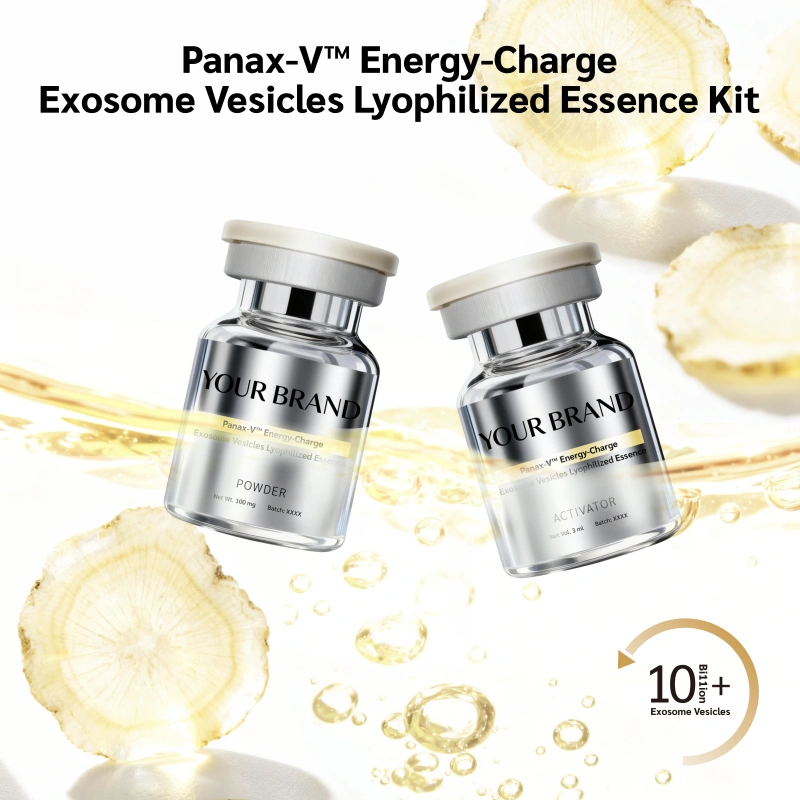
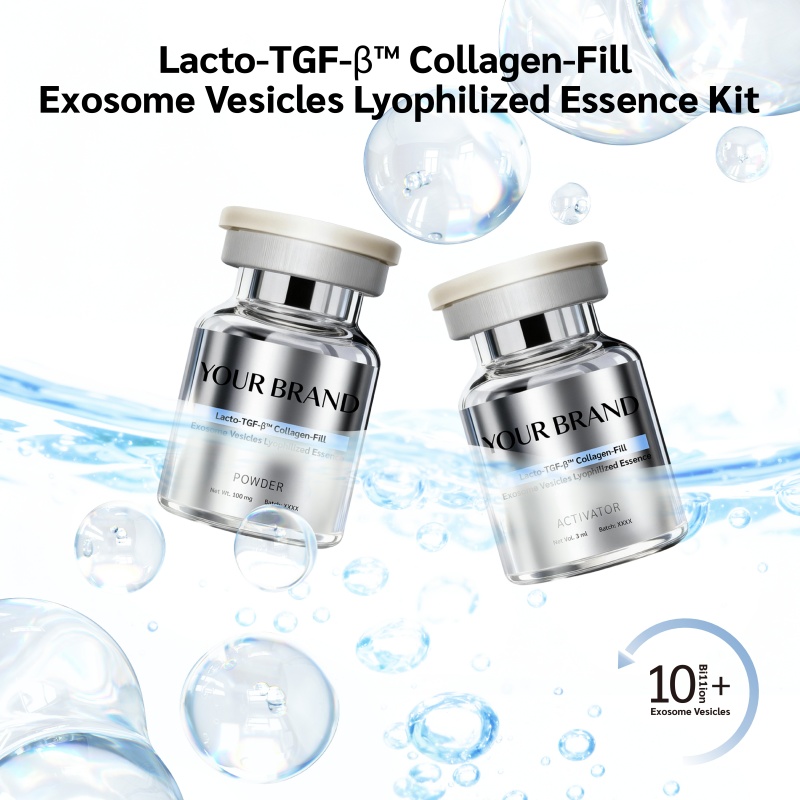
Peptide serums for the face have emerged as powerful tools in skincare, appealing to both consumers and professionals in the beauty and health industries. These serums leverage the unique properties of peptides—short chains of amino acids that can penetrate the skin and promote cellular regeneration. For B2B buyers, understanding the specifications, applications, and potential challenges of peptide serums is crucial for making informed purchasing decisions. This article will provide insights into evaluating peptide serums, addressing common issues, and exploring formulation considerations, equipping you with the knowledge necessary to enhance your product offerings.
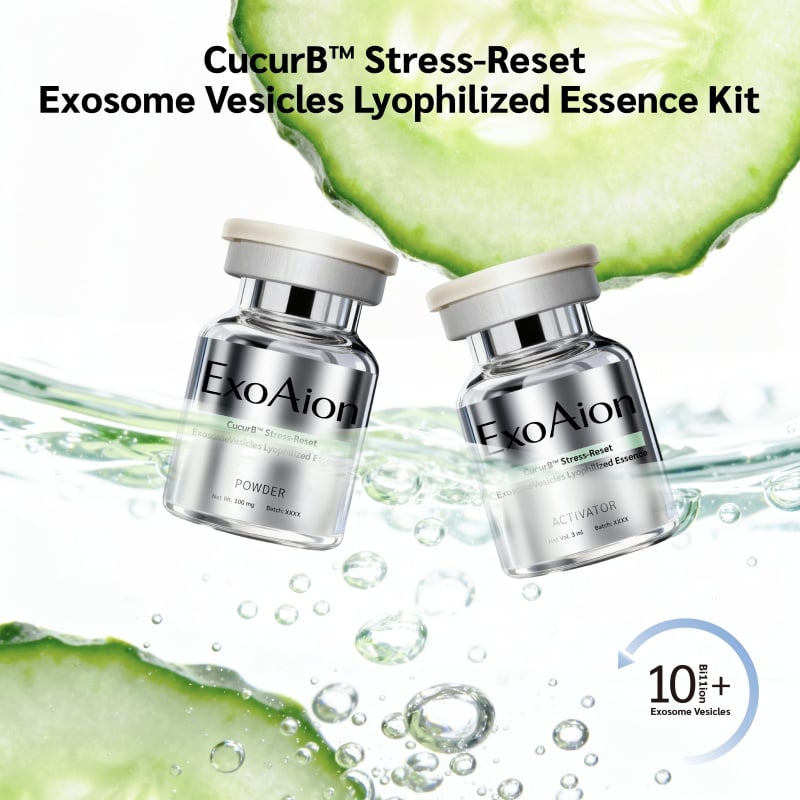
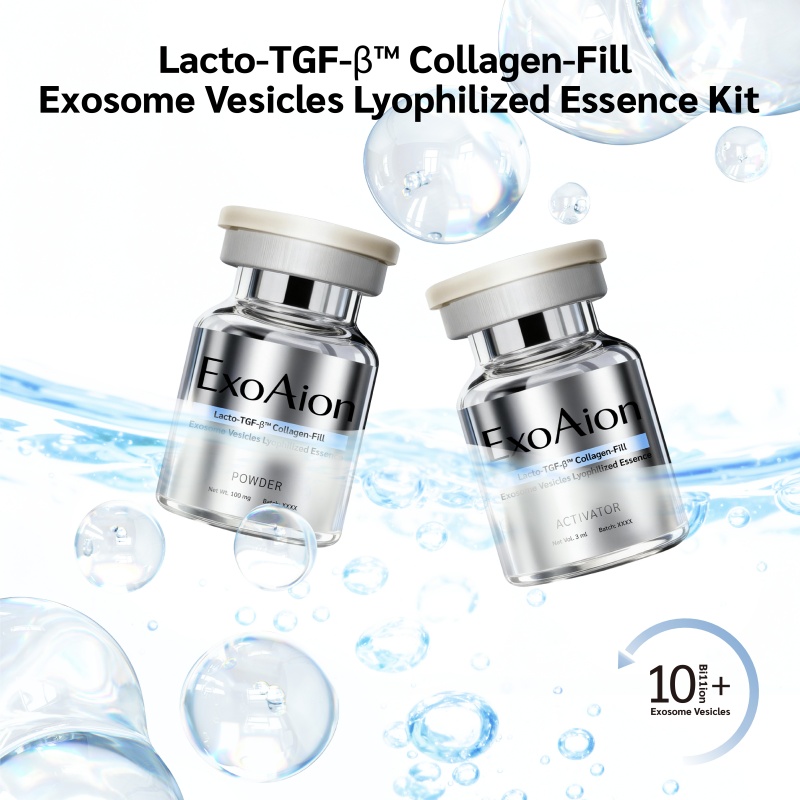
Understanding the Applications of Peptide Serums for Face Treatments
Peptide serums for face treatments are versatile, finding applications across various sectors, including aesthetics, dermatology, and cosmetic retail. They are particularly effective in addressing common skin concerns:
Anti-Aging: Peptides can help reduce the appearance of fine lines and wrinkles by promoting collagen and elastin production. This makes them a popular choice for anti-aging products marketed to consumers seeking youthful skin.
Hydration: Many peptide serums are designed to enhance moisture retention in the skin. This is particularly advantageous for products aimed at dry or dehydrated skin types.
Skin Repair and Regeneration: Peptides play a significant role in wound healing and tissue repair, making these serums suitable for post-procedure care or for individuals with compromised skin barriers.
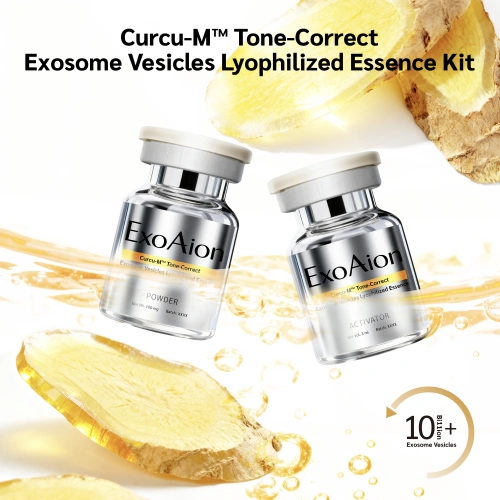
Brightening and Even Skin Tone: Certain peptides can help reduce hyperpigmentation, contributing to a more even skin tone and brighter complexion. The Curcu-M™ Tone-Correct Exosome Vesicles Lyophilized Essence is an excellent example of such an application.
Understanding these applications helps buyers align their product offerings with market demands and consumer needs.