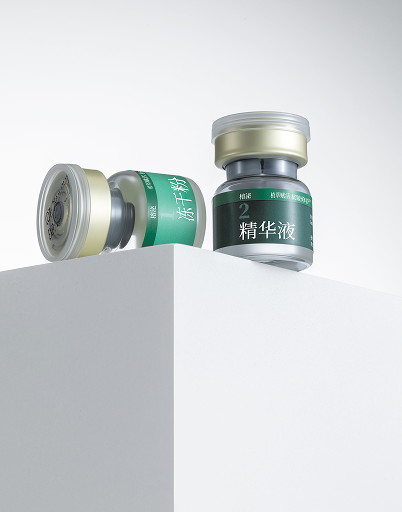
Peptide facial products have emerged as a significant innovation in the skincare industry, particularly for their anti-aging and rejuvenating properties. These products, which harness the power of peptides—short chains of amino acids—are increasingly sought after for both personal use and wholesale distribution. For B2B buyers, such as purchasing managers and distributors, understanding the nuances of peptide facial solutions is crucial. This article will guide you through key considerations when selecting peptide facial products, focusing on specifications, quality evaluation, and installation guidance for professional applications.
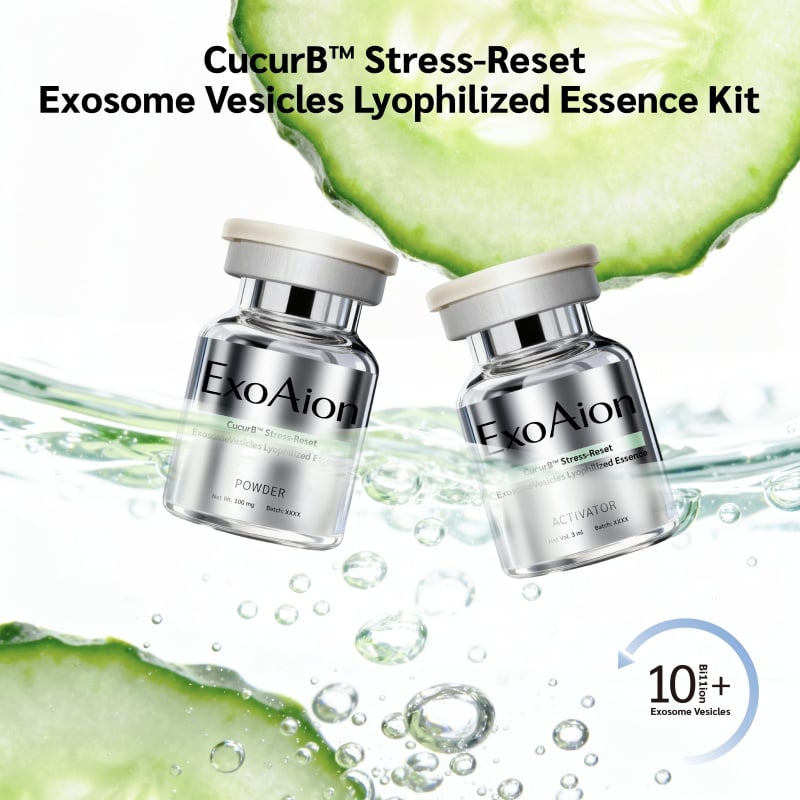
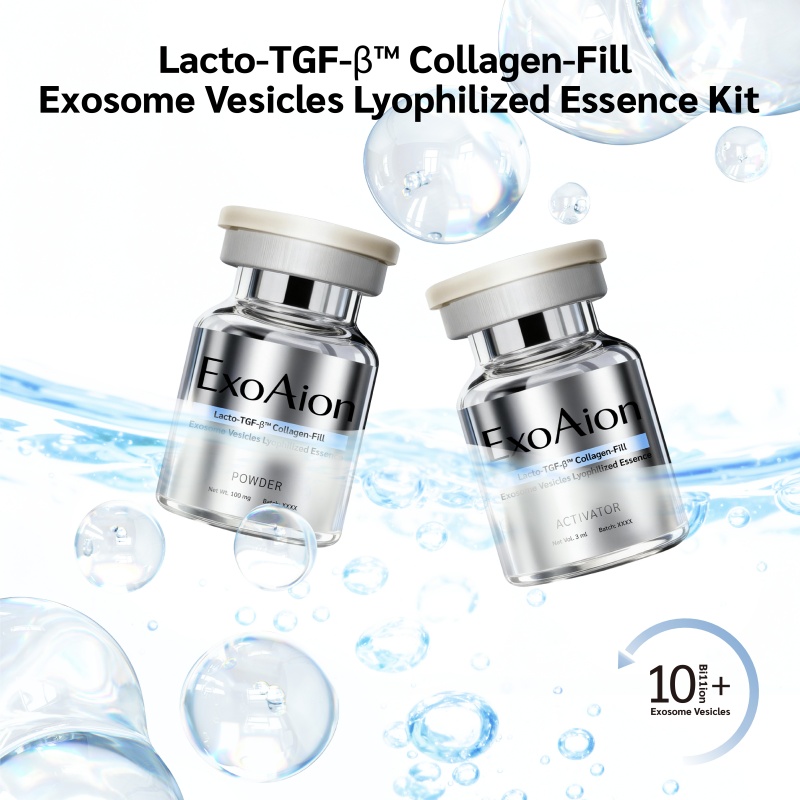
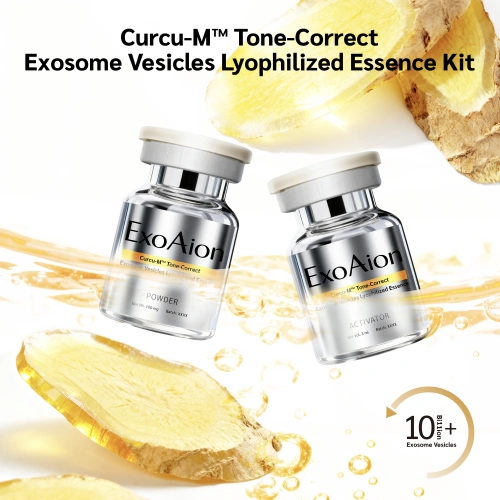
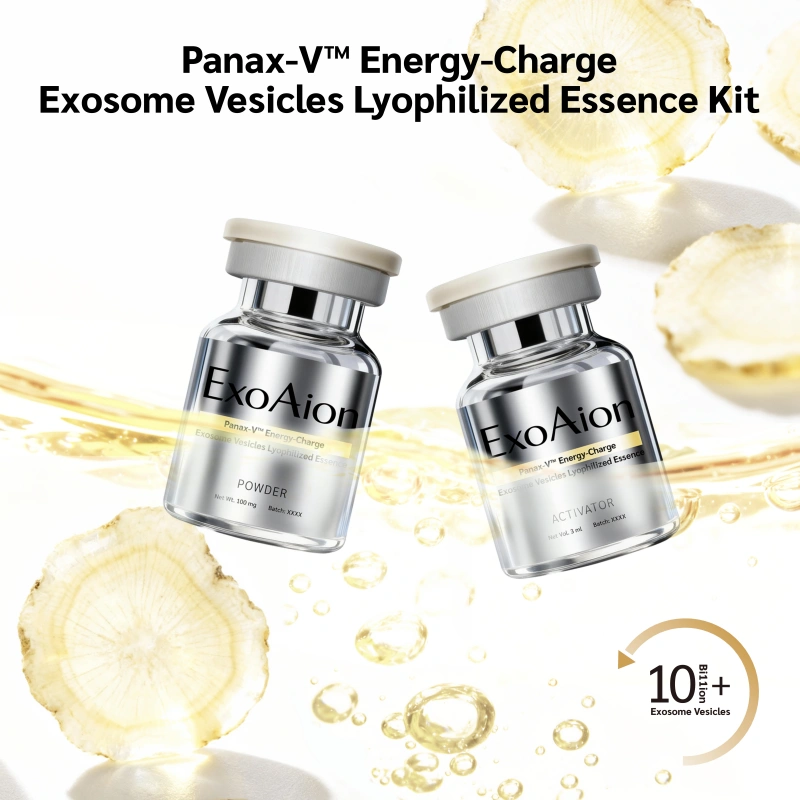
Key Specifications for Medical-Grade Peptide Facial Solutions
When assessing medical-grade peptide facial solutions, several key specifications should be prioritized:
Peptide Type and Concentration: Different peptides serve various functions, such as Palmitoyl Pentapeptide-4 for reducing wrinkles or Acetyl Hexapeptide-8 for muscle relaxation. The concentration of these peptides can impact efficacy, so it's essential to confirm that the product contains clinically relevant amounts.
pH Levels: The pH of the formulation is critical for ensuring skin compatibility. Most facial products should have a pH close to that of the skin (around 5.5) to prevent irritation and maximize absorption.
Stability and Shelf Life: Peptides can be sensitive to environmental factors. It’s important to ensure that the products are formulated for stability, with appropriate preservatives to enhance shelf life.
Testing and Certifications: Look for products that have undergone rigorous testing, such as dermatological or clinical studies, and have relevant certifications. This not only assures quality but also enhances trust among buyers.