Exosomes are microscopic vesicles that play a pivotal role in cellular communication and have garnered significant attention in the medical field for their therapeutic potential. As a B2B buyer in need of exosome products, it is crucial to understand the specifications, quality control measures, and potential challenges associated with sourcing these advanced biomaterials. This article will guide you through the essential considerations for selecting exosomes, ensuring successful procurement, and understanding the standards that matter most for your applications
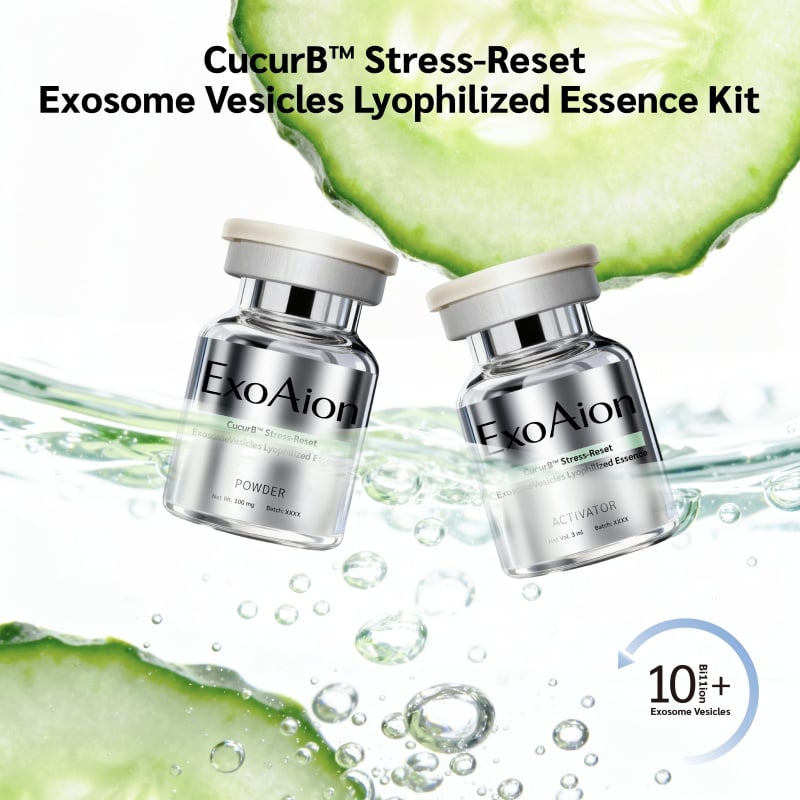
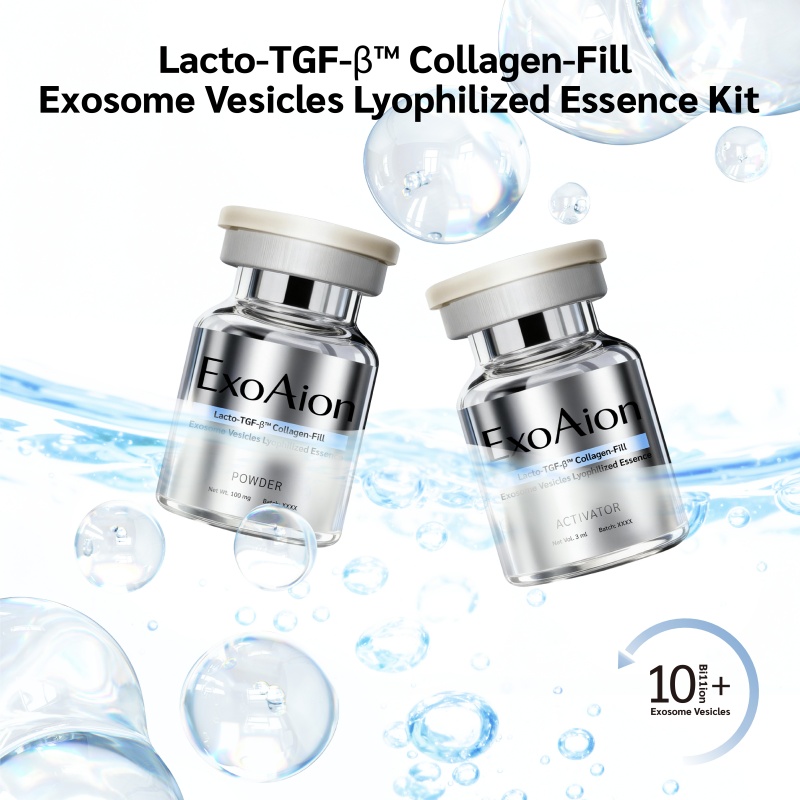
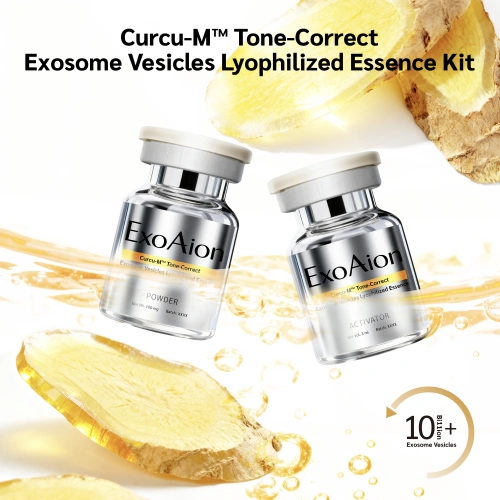
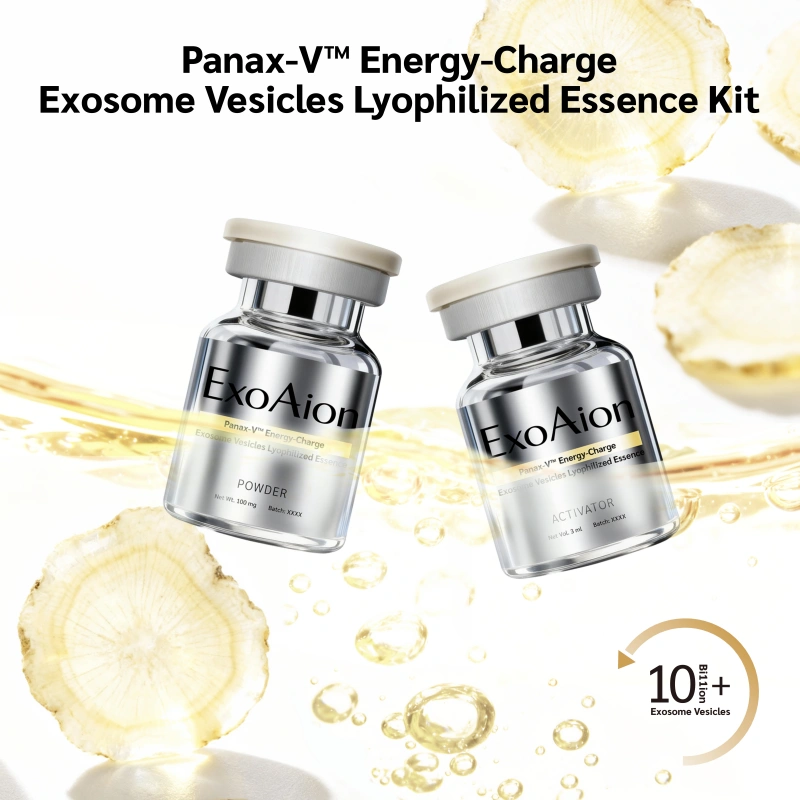
Essential Steps for Success
To ensure a successful procurement process for exosomes, follow these essential steps:
Define Your Requirements: Clearly outline your project's goals, including the intended application, required characteristics, and quantity. This clarity will facilitate effective communication with potential suppliers.
Request Samples: Before placing a large order, request samples to evaluate the product's quality and suitability for your application. Testing samples under actual operating conditions can reveal potential issues not evident from product documentation alone.
Engage with Suppliers: Develop strong relationships with suppliers. Engage in discussions about their manufacturing processes, quality control measures, and any customization capabilities they may offer. This interaction can provide valuable insights into their reliability and expertise.
Review Documentation: Ensure that all necessary documentation accompanies the products, including certificates of analysis (COA) that verify the exosomes’ quality and compliance with specifications. This is crucial for maintaining traceability and accountability.
Establish Quality Control Protocols: Implement your quality control protocols to assess the incoming exosome products. This might include additional testing for purity, activity, and safety, depending on the intended application.