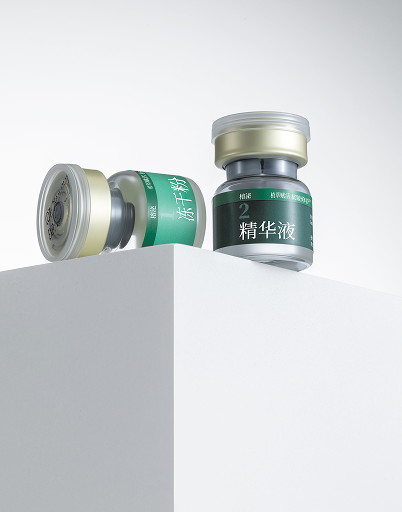
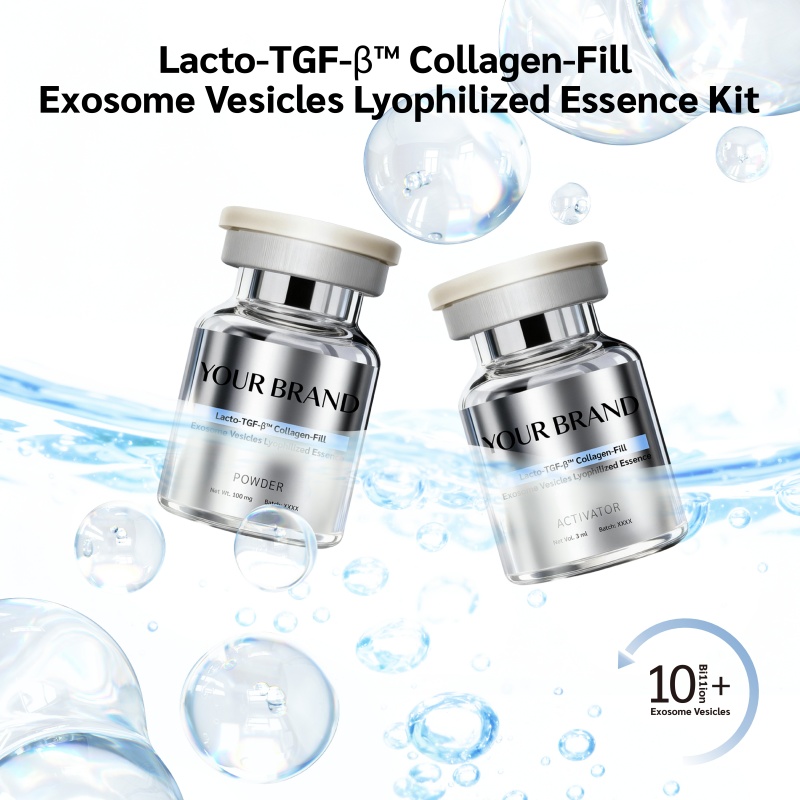
Understanding face wrinkle serums is crucial for B2B buyers looking to invest in high-quality products that meet their customers' needs. As a key product in the skincare market, face wrinkle serums come with specific specifications and requirements that can affect purchasing decisions. This article will explore the essential aspects of face wrinkle serums, addressing common buyer concerns, key criteria for selection, sourcing reliable suppliers, typical challenges, and critical knowledge that every buyer should possess.
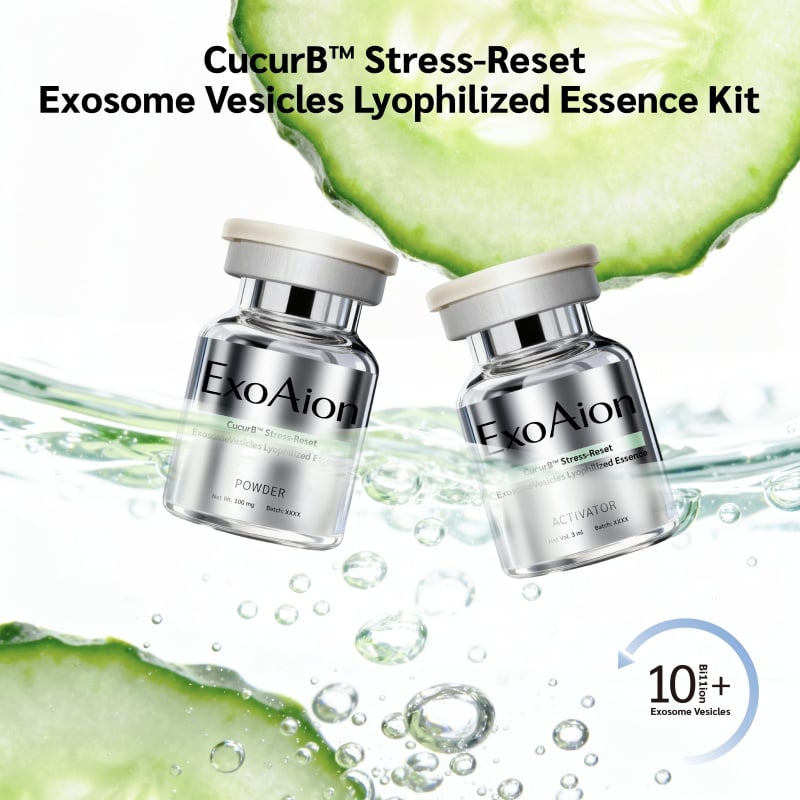
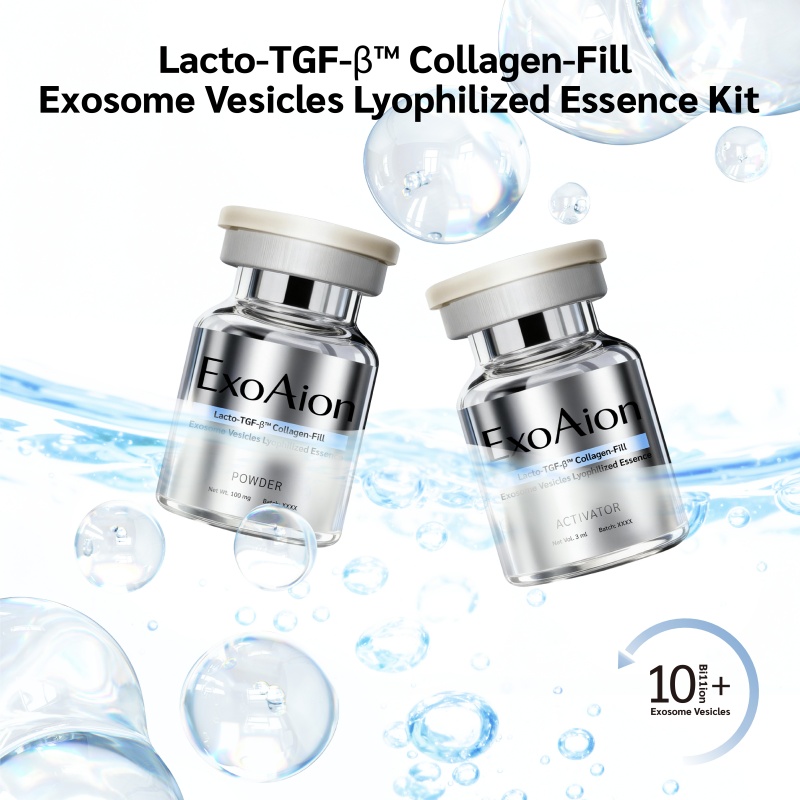
Key Criteria for Buyers
When selecting face wrinkle serums for wholesale purchase, buyers should evaluate several criteria:
Ingredient Quality: The effectiveness of a serum largely depends on the quality of its ingredients. Buyers should look for serums that utilize high-quality, clinical-grade active ingredients. Researching the source and efficacy of these ingredients can provide insights into their performance.
Manufacturing Standards: It's vital to ensure that the serum is produced in facilities that adhere to Good Manufacturing Practices (GMP) and other relevant regulations. This guarantees product consistency and safety.
Clinical Testing and Efficacy Claims: Buyers should request data from any clinical studies or efficacy testing that support the product’s claims. This information can help substantiate marketing claims and build consumer trust.
Customization Options: Some buyers may require specific formulations or packaging to align with their brand identity. Understanding the supplier's capabilities for customization can be a significant advantage.
Minimum Order Quantities (MOQ): Different suppliers have varying MOQs that can affect purchasing decisions. Buyers should clarify MOQ upfront to avoid complications later in the procurement process.
By focusing on these criteria, buyers can make informed decisions that align with their business objectives and customer needs. For instance, considering the Anti-Wrinkle/Anti-aging category can further enhance their selection process.