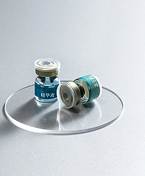
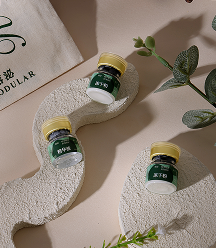
The search for the best wrinkle serum has become increasingly competitive among brands looking to offer effective solutions to their customers. As a purchasing manager or product manager in the beauty or cosmetics sector, understanding the nuances of wrinkle serum formulations is essential. This article will provide insights into key specifications, quality evaluation, common manufacturing challenges, cost factors, and guidance on incorporating wrinkle serums into your product line. With this knowledge, you can make informed decisions that align with market demands and consumer expectations.
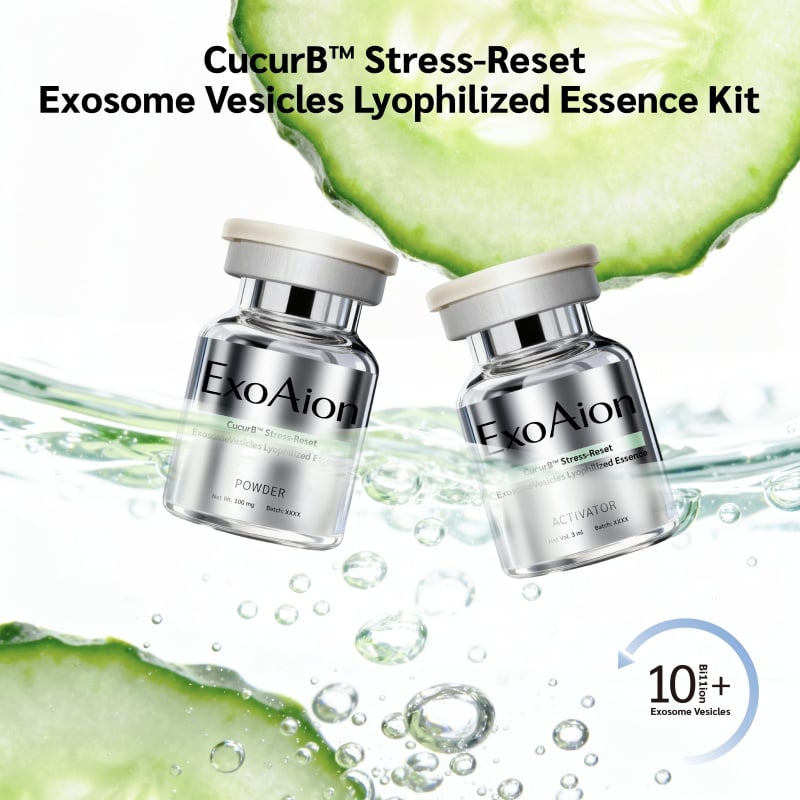
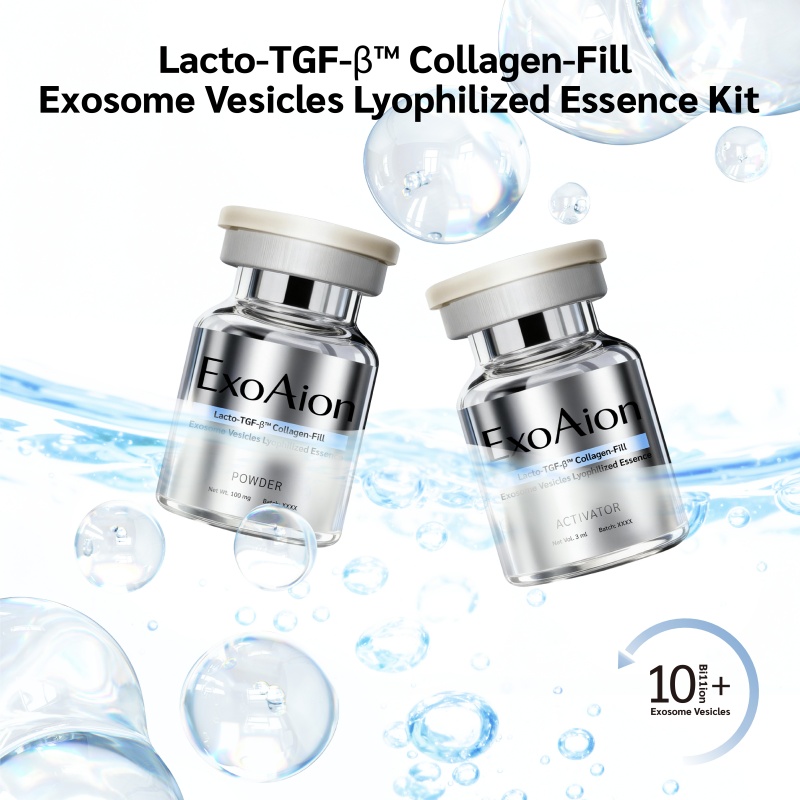
How to Compare Specifications of Leading Wrinkle Serums
Evaluating the quality of wrinkle serums involves more than just examining the ingredient list. Here are some practical steps to ensure you select high-quality products:
Sample Testing: Before placing bulk orders, request samples to assess the product's texture, absorption, and scent. Testing samples under actual usage conditions can reveal how well the serum performs on the skin.
Third-Party Testing: Verify whether the serum has undergone third-party testing for efficacy and safety. Certifications or lab results can provide assurance that the product meets industry standards.
Ingredient Transparency: A trustworthy supplier will be transparent about their ingredient sources and manufacturing processes. Ask for detailed information regarding ingredient origins, safety data sheets, and any relevant certifications.
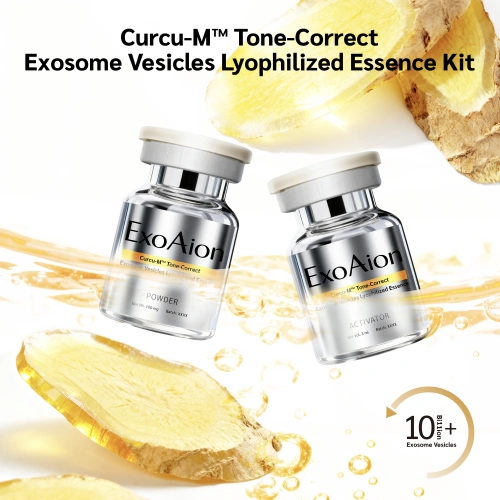
Customer Feedback: Research reviews and testimonials from other businesses that have used the serum. Positive feedback can indicate a reliable product that resonates with consumers. For example, serums containing Curcu-M™ Tone-Correct Exosome Vesicles Lyophilized Essence have received positive reviews for their effectiveness.