Key Quality Control Measures for Exosome Serum

exosome serum

Exosome serum represents a cutting-edge advancement in biotechnology, utilizing exosomes—small extracellular vesicles that facilitate intercellular communication. These versatile biological components are gaining traction in various industries, including healthcare and cosmetics, as they hold potential for regenerative medicine, drug delivery, and skin rejuvenation. For B2B buyers, understanding the nuances of exosome serum, including quality control measures, application scenarios, and procurement challenges, is crucial. This article provides insights into the essential aspects of exosome serum manufacturing and procurement, helping purchasing managers, distributors, and product managers make informed decisions.
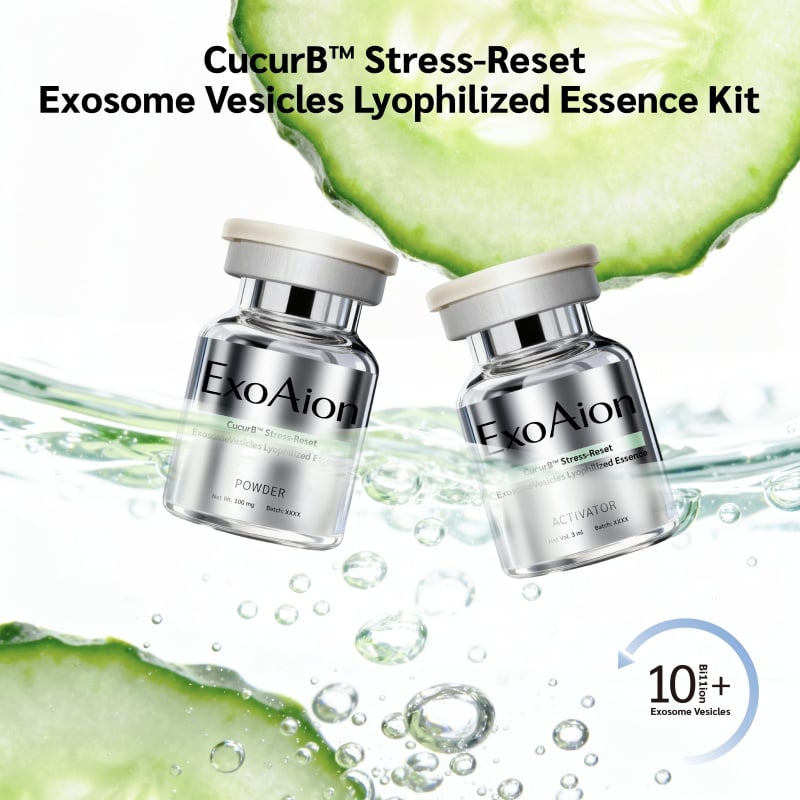
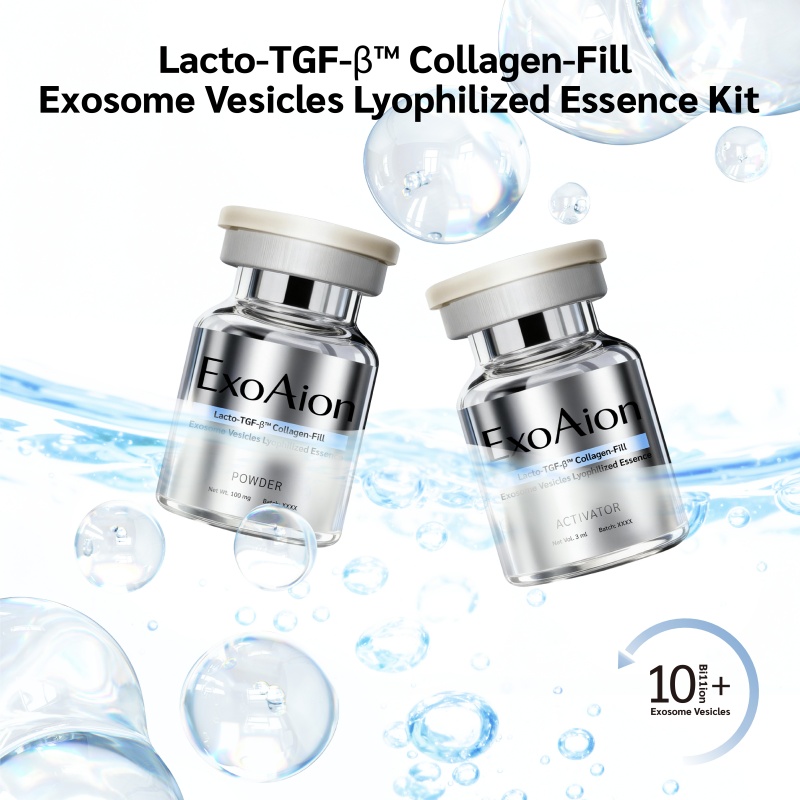
Our Products

Common Application Scenarios for Exosome Serum in Industry

Exosome serum is increasingly being utilized across various sectors, reflecting its versatility and effectiveness. Here are some common application scenarios:

Regenerative Medicine: In the field of regenerative medicine, exosome serum is employed to enhance tissue repair and regeneration. Its ability to transfer bioactive molecules can facilitate healing processes and reduce inflammation.

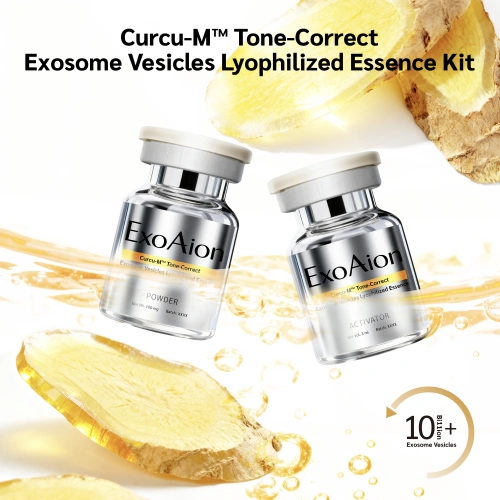
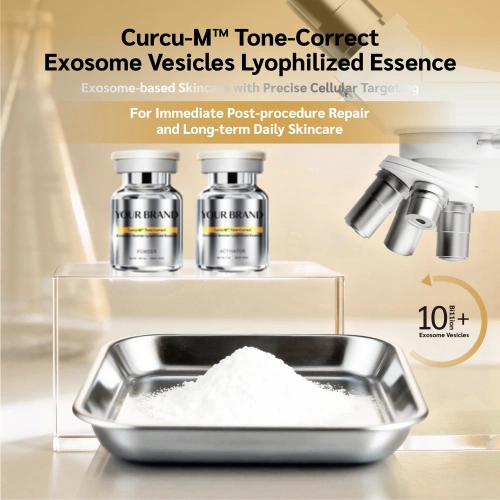
Cosmetics and Skincare: The cosmetic industry leverages exosome serum for its anti-aging properties. Formulations containing exosomes can promote skin hydration, elasticity, and overall appearance by delivering growth factors and cytokines that stimulate skin cell activity. Products such as Curcu-M™ Tone-Correct Exosome Vesicles Lyophilized Essence exemplify this application.

Drug Delivery Systems: Exosomes offer a promising avenue for targeted drug delivery. Their natural ability to transport biomolecules makes them ideal carriers for therapeutic agents, potentially improving the efficacy and reducing side effects of treatments.

Diagnostic Applications: Exosome serum is also being explored in diagnostics, where it can serve as a biomarker reservoir for various diseases. By analyzing the content of exosomes from biological fluids, researchers can develop non-invasive diagnostic tools.

Understanding these application scenarios helps buyers identify the most suitable exosome serum products for their specific needs, paving the way for effective partnerships with manufacturers.

Understanding the Technical Specifications of Exosome Serum

When evaluating exosome serum, several technical specifications should be considered to ensure compatibility with intended applications:

Concentration: The concentration of exosomes in the serum is crucial for determining its potency. Buyers should specify the required concentration based on the application, as this affects the serum's effectiveness.

Purity Levels: Purity is measured by the absence of non-exosomal proteins and contaminants. Specifications should include the percentage of purity, with higher purity levels generally being preferred for clinical applications.

Storage Conditions: Exosome serum typically requires specific storage conditions to maintain stability. Manufacturers should provide guidance on optimal storage temperatures and shelf life to prevent degradation.

pH and Osmolality: The pH and osmolality of the serum can affect its compatibility with biological systems. Buyers should confirm that these parameters align with their application requirements to ensure safety and efficacy.

Custom Formulations: Depending on the intended use, buyers may require customized formulations of exosome serum. Manufacturers should be open to discussing options for tailored products that meet specific performance criteria.

By understanding these specifications, buyers can make informed decisions that align with their operational requirements and application goals.

Solutions to Common Problems with Exosome Serum Procuremen

Procurement of exosome serum can present challenges that require careful consideration. Here are some common issues and potential solutions:

Supplier Reliability: Ensuring a reliable supplier is critical. Buyers should conduct thorough due diligence, including reviewing company credentials, certifications, and past performance. Establishing long-term relationships can also enhance trust and reliability.

Quality Assurance: Variability in product quality can be a concern. Buyers should request detailed QC documentation and batch-specific certificates of analysis (CoA) to verify that the products meet specified standards.

Lead Times: Production lead time can impact project timelines. Buyers should communicate their requirements upfront and establish clear timelines with manufacturers to ensure timely delivery.

Regulatory Compliance: Navigating regulatory requirements can be complex. Buyers should ensure that their suppliers comply with relevant regulations, particularly for products intended for clinical or cosmetic use. This includes verifying certifications and adherence to Good Manufacturing Practices (GMP).

Cost Variability: Pricing can fluctuate based on factors such as raw material availability and production processes. Buyers should discuss pricing structures and potential volume discounts to achieve optimal procurement costs.

By proactively addressing these common procurement challenges, buyers can streamline their purchasing processes and minimize disruptions.

Benefits of Partnering with a Trusted Exosome Serum Manufacturer

Collaborating with a reputable exosome serum manufacturer offers numerous advantages that can significantly impact a buyer's success:

Expertise and Experience: A trusted manufacturer brings valuable expertise in exosome technology, ensuring that products are developed using best practices and cutting-edge techniques. This reduces the risk of quality issues and enhances product performance.

Customization Capabilities: Reputable manufacturers often have the resources to provide customized solutions tailored to specific needs. This flexibility can be crucial for businesses seeking to differentiate their offerings in competitive markets.

Consistent Quality: Established manufacturers implement rigorous quality control measures, ensuring that each batch of exosome serum meets predefined specifications. Consistency in quality fosters trust and reliability in the supply chain.

Regulatory Support: A knowledgeable manufacturer can assist buyers in navigating regulatory landscapes, helping them meet compliance requirements for their specific applications. This support can save time and resources during the approval process.

Innovation and R&D: Partnering with an innovative manufacturer provides access to the latest advancements in exosome technology. This can lead to new product development opportunities and enhanced competitive advantage.

By choosing to partner with a trusted exosome serum manufacturer, buyers position themselves for long-term success and sustainable growth in their respective industries.

Key Quality Control Measures for Exosome Serum Manufacturing

Quality control (QC) is paramount in the manufacturing of exosome serum due to its sensitive biological nature. Established QC measures typically encompass several critical areas:

Source Quality: The starting materials, often derived from human or animal cells, must be sourced from reputable suppliers. This ensures that the exosomes are free from contaminants and possess the desired biological activity.

Isolation Techniques: The method used to isolate exosomes, such as ultracentrifugation or size exclusion chromatography, significantly impacts the purity and yield of the final product. Manufacturers should validate these processes to ensure consistency and reproducibility.

Characterization: Comprehensive characterization of the exosomes is necessary to confirm their size, morphology, and surface markers. Techniques such as nanoparticle tracking analysis (NTA) or electron microscopy may be employed to verify these attributes.

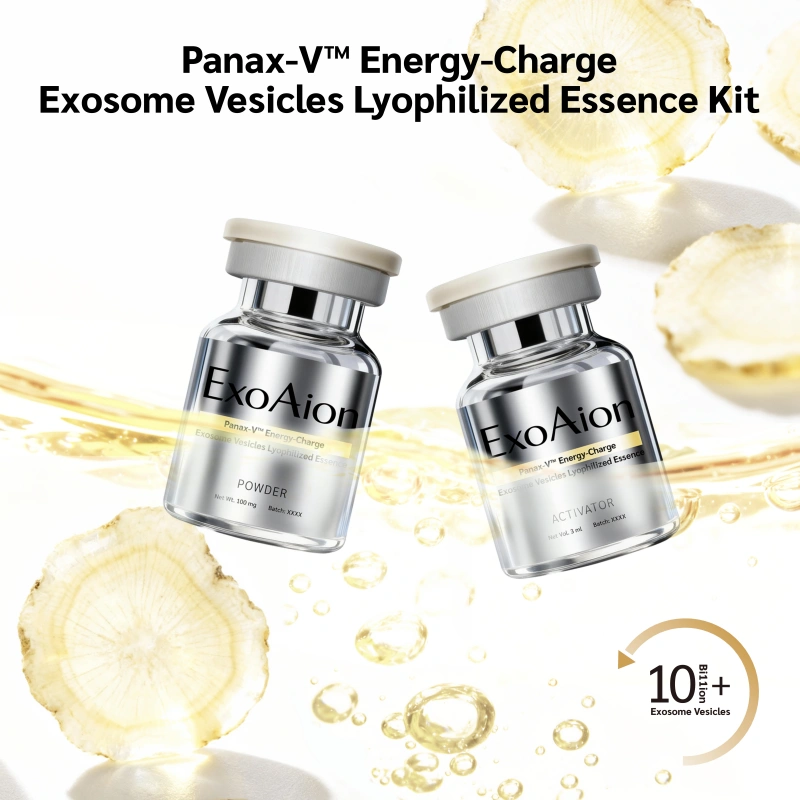
Biological Activity Testing: Evaluating the functional properties of exosome serum is critical. This may involve in vitro assays to assess their ability to promote cell proliferation, migration, or differentiation, depending on the intended application. Notably, formulations like Panax-V™ Energy-Charge Exosome Vesicles Lyophilized Essence are designed to enhance these biological activities.

Sterility and Endotoxin Testing: Since exosome serum is often used in clinical settings, rigorous sterility and endotoxin testing must be conducted to ensure safety for end-users.

By adhering to these QC measures, manufacturers can mitigate the risks associated with exosome serum, assuring buyers of the product's reliability and efficacy.

Our Blog Posts

Are Exosomes Safe in Skincare?What Brands Need To Know Before Formulating

08

May

Are Exosomes Safe in Skincare?What Brands Need To Know Before Formulating

Current Clinical Evidence on Exosome Safety in Skincare Synthesis of Human Clinical Trials: Efficacy and Adverse Events with Topical Exosomes Recent studies seem to back up what many in the beauty industry have been saying about topical exosomes f...
View More
ExoAion Natural Plant-Derived Exosomes: Redefining Next-Generation Bioactive Ingredients for Skincare Innovation

04

Nov

ExoAion Natural Plant-Derived Exosomes: Redefining Next-Generation Bioactive Ingredients for Skincare Innovation

For the past decade, the skincare industry has been on a search for the next big active ingredient that goes beyond mere hydration and truly communicates with cells. Plant-derived exosomes are that candidate: a biological smart delivery system that s...
View More
The Science Behind ExoAion Exosomes: Harnessing Plant-Based Cellular Communication for Beauty Solutions

04

Nov

The Science Behind ExoAion Exosomes: Harnessing Plant-Based Cellular Communication for Beauty Solutions

Plant exosomes have come from the realm of academic interest to the commercial ingredient in a very short time, and it is through biology, not marketing, that this can be attributed. These nanoscopic vesicles contain the molecular signature of the pl...
View More
ExoAion Natural Exosomes vs Traditional Botanical Extracts: A New Era of Active Ingredient Technology

04

Nov

ExoAion Natural Exosomes vs Traditional Botanical Extracts: A New Era of Active Ingredient Technology

Over the years, botanical extracts have been available to skincare formulators for their familiar array of antioxidants, soothing agents and emollients. However, there is a limit to how familiar one can be. While conventional extracts offer a variety...
View More

Get a Free Quote

Our representative will contact you soon.
Email
Name
Company Name
Message
0/1000

Related product categories

Natural extracellular vesicles, leading cellular-level anti-aging solutions
Omini Dynamics is a technology-driven manufacturer specializing in plant-derived exosome ingredients and OEM/ODM skincare solutions.
Subscribe To Our Newsletter

Get a Free Quote

Our representative will contact you soon.
Email
Name
Company Name
Message
0/1000