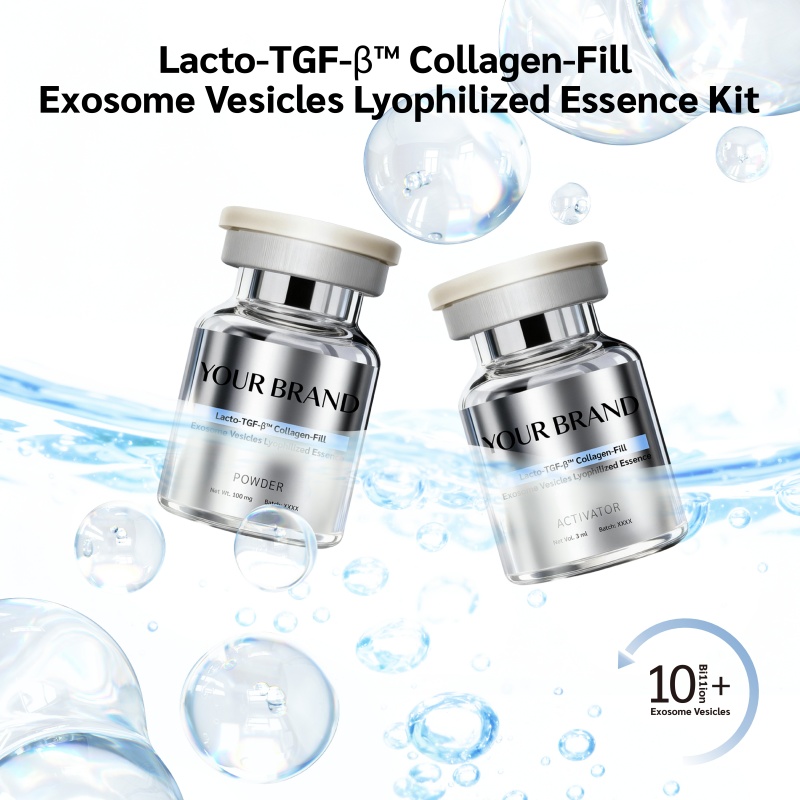
Botanical face serums have gained significant traction in the skincare market, particularly for their ability to deliver concentrated nutrients and hydration to the skin. These formulations, rich in botanical extracts and active ingredients, cater to various skin types and concerns, making them a focal point for distributors, manufacturers, and brands alike. This article will address key specifications and considerations for purchasing botanical face serums, helping B2B buyers understand what to look for, why our product stands out, and how to seamlessly integrate them into their offerings.

How to Compare Botanical Face Serums for Your Importing Needs
When importing botanical face serums, buyers should consider several factors to ensure they select the right product for their market:
Ingredient Transparency: Evaluate the ingredient list for clarity and completeness. A high-quality serum will provide detailed information about the sources and concentrations of active ingredients. Look for products that avoid harmful additives and focus on natural components.
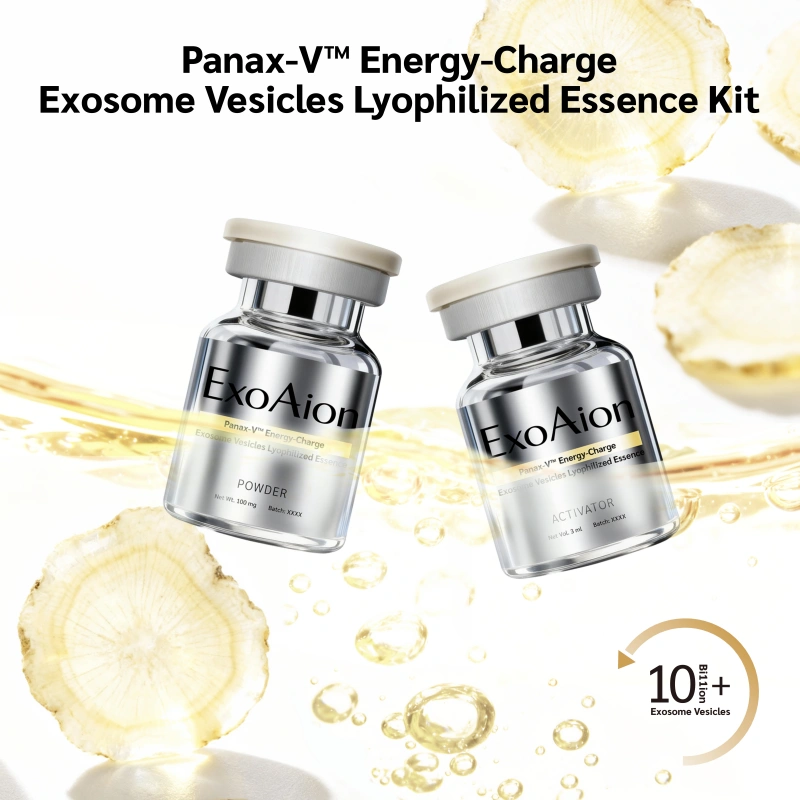
Efficacy Data: Request any available clinical trials or efficacy studies associated with the serum. This data can provide insights into the product's performance and help in comparing it against competitors. Products like Panax-V™ Energy-Charge Exosome Vesicles Lyophilized Essence can serve as excellent references for efficacy data.
Customization Options: Some suppliers may offer customization capabilities, allowing buyers to modify formulations to meet specific market needs. Inquire about the possibility of creating a tailored blend that aligns with your brand’s identity.
Minimum Order Quantities (MOQ): Understand the MOQ required by the supplier. This can vary significantly between manufacturers and affects initial investment and stock management.
Lead Time: Consider the lead time for production and shipping. This is crucial for planning your inventory and ensuring timely delivery to your customers.
By thoroughly comparing these factors, buyers can make informed decisions that meet their operational needs and market demands.