

What Are Exosomes in Skincare? Science, Mechanism, and Skin Benefits
The Biological Basics: Exosomes as Natural Intercellular Messengers
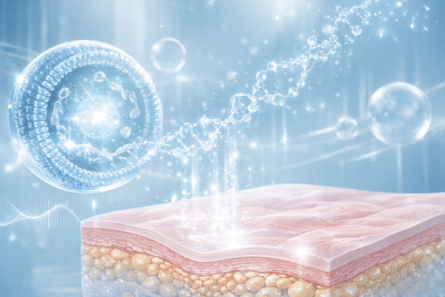
Exosomes are tiny packages released by cells, measuring between 30 and 150 nanometers across. They serve as messengers between cells, carrying all sorts of active ingredients like proteins, fats, and special RNA molecules that tell other cells what to do when they merge together. When it comes to skin health, these little communicators help manage important functions including calming down inflammation, keeping the skin barrier strong, and promoting new tissue growth after damage. Skincare products that include exosomes tap into our body's own messaging system to influence how skin cells behave in a way that feels more natural. This approach offers something different from regular skincare ingredients because it works through actual biological mechanisms instead of just surface effects.
How Exosomes in Skincare Support Barrier Repair, Collagen Synthesis, and Cellular Renewal
Topical exosome delivery activates three synergistic rejuvenation pathways:
- Barrier reinforcement: Upregulation of ceramide synthesis and tight-junction proteins strengthens epidermal integrity, improving hydration and resilience against environmental stressors.
- Matrix remodeling: Fibroblast activation increases collagen and elastin production by 30–50%, enhancing firmness and elasticity—effects validated in clinical studies using human-derived exosomes.
- Cellular renewal: Through keratinocyte modulation and suppression of oxidative stress, exosomes accelerate turnover while dampening chronic inflammation linked to photoaging.
This integrated action makes exosome-infused products uniquely positioned to address both functional decline and visible signs of aging—supported by peer-reviewed evidence on cellular uptake and downstream biomarker changes.
Exosomes in Skincare for Beauty Brands: Strategic Opportunities and Regulatory Guardrails
Differentiation Leverage: Why Exosome Technology Elevates Premium & Clinical-Grade Positioning
The rise of exosome tech has allowed beauty brands to genuinely bridge the gap between clinical results and luxury appeal without relying on empty marketing promises. Market data from Grand View Research shows the exosome skincare sector could hit $810 million by 2032, which explains why so many companies are rushing to develop products that actually work at the cellular level. What makes these tiny vesicles special? They tap into our body's own regenerative processes like TGF-beta signaling for boosting collagen production or activating Nrf2 pathways to fight oxidative stress. This means brands can legitimately talk about things like skin barrier repair, reversing sun damage, and faster healing times. However, getting quality exosomes requires careful sourcing, complex isolation techniques, and proper stabilization methods. These challenges keep prices high but also justify the premium positioning in markets where consumers really care about scientific backing for their skincare investments.
Compliance Essentials: Navigating FDA, EU Cosmetics Regulation, and Truth-in-Advertising for Exosome Claims
Regulatory clarity is non-negotiable. Exosomes are regulated as cosmetic ingredients—not drugs—under both U.S. and EU frameworks, meaning claims must avoid implying structural or functional alterations beyond surface-level effects. Key guardrails include:
- FDA expectations: Prohibition of drug-like claims (e.g., “repairs DNA damage” or “treats eczema”) without IND approval; emphasis on substantiation of cosmetic benefits like improved barrier function or reduced redness.
- EU compliance: Mandatory safety assessment per Regulation (EC) No 1223/2009, especially for novel sources (e.g., plant-derived exosomes), including impurity profiling and dermal absorption data.
- Truth-in-advertising: All claims must reflect current scientific consensus—particularly regarding cellular uptake, which is well-documented for human mesenchymal stem cell-derived exosomes but less established for botanical variants.
Recent FDA warning letters targeting unsubstantiated “stem cell” language underscore the need for precise, evidence-aligned messaging—and reinforce why first-party clinical data and transparent sourcing disclosures strengthen both compliance and consumer trust.
Human-Derived vs. Plant-Derived Exosomes in Skincare: Sourcing, Efficacy, and Market Alignment
Ethical Sourcing and Scalability: The Rise of Botanical Exosome Alternatives
When we talk about exosomes from human sources, which usually come from cultured mesenchymal stem cells, there are some serious ethical questions that pop up regarding donor consent issues, where exactly those cell lines originate, and what happens with them over time in biobanks. On the flip side, plant-based exosomes present a different story altogether. These can be sourced from things like Rosa damascena flowers, apple callus tissue, or even grape stem cells. They're vegan friendly, easier to scale up production for, and don't carry the same ethical baggage. Recent improvements in techniques such as ultracentrifugation methods and size exclusion chromatography have made it possible to consistently isolate these active plant vesicles on a commercial level. This means lower costs and faster product development cycles. The fact that they fit so well with current trends toward sustainability, animal-free products, and resilient supply chains explains why companies in both Asia Pacific regions and throughout Europe are jumping on board. Clean beauty regulations and eco labeling requirements there are really driving consumer choices these days.
Bioactivity Reality Check: Comparative Evidence on Cellular Uptake and Functional Outcomes
Human-derived exosomes demonstrate strong translational evidence: peer-reviewed studies confirm efficient dermal uptake, modulation of MMP/TIMP balance, and measurable increases in procollagen I and hyaluronic acid synthesis. Their lipid composition and surface tetraspanins (e.g., CD63, CD81) closely mirror human cell membranes—enhancing compatibility and cargo delivery efficiency.
Plant based exosomes have shown good antioxidant properties and can help reduce melanin production according to lab tests and some early human trials. These include benefits like less redness after sun exposure and faster healing of wounds. However, they don't match mammalian cell membranes quite as well structurally. This means cells take them in at different rates, and there's still not enough solid evidence from real world testing about whether they actually boost collagen levels or improve skin barrier functions over time. Companies looking for clear proof of anti aging effects tend to favor human sourced exosomes since these have better documented mechanisms behind their action. On the other hand, plant derived versions work well for antioxidants, feel nice on the skin, and align with eco friendly values that many consumers appreciate today. Smart product lines might combine both approaches then using human derived materials where specific regeneration matters most, while relying on plant extracts for general protection and appealing to customers who care about sustainability.
FAQ
What are exosomes?
Exosomes are tiny vesicles released by cells that function as natural intercellular messengers. They carry active ingredients like proteins, fats, and RNA molecules, which help regulate various cellular processes.
How do exosomes benefit skin health?
Exosomes support skin health by calming inflammation, strengthening the skin barrier, and promoting tissue growth. In skincare, exosomes influence how skin cells behave, offering benefits beyond surface-level effects.
Are exosomes used in skincare products safe?
Exosomes are regulated as cosmetic ingredients under U.S. and EU frameworks. Skincare products with exosomes must adhere to safety standards and avoid claiming drug-like effects beyond surface-level improvements.
What are the differences between human-derived and plant-derived exosomes?
Human-derived exosomes have strong evidence supporting their efficacy in skin absorption and collagen synthesis. Plant-derived exosomes offer antioxidant benefits and align with eco-friendly values but lack similar structural compatibility with human cells.

