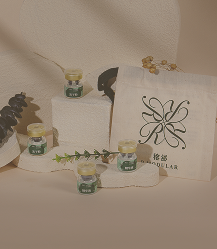
Ingredient-Based Formulation Development for Industries

ingredient-based formulation development

Ingredient-based formulation development is a critical process in various industries, particularly in the medical and pharmaceutical fields. It involves the careful selection and combination of ingredients to create effective, safe, and high-quality products. Key buyers, such as purchasing managers and product developers, often face concerns regarding ingredient compatibility, supplier reliability, and the ability to meet specific application requirements. This article will guide you through essential considerations in ingredient-based formulation development, helping you make informed decisions that align with your project needs.
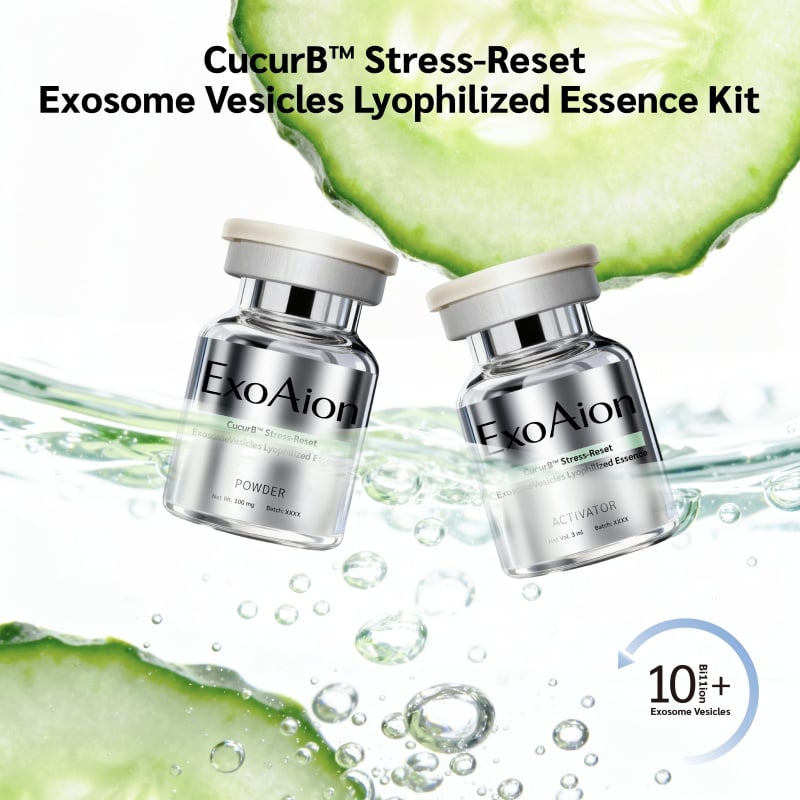
Our Products

Finding Reliable Suppliers for Your Projects

Finding Reliable Suppliers for Your Projects

Establishing a relationship with reliable suppliers is a vital step in the formulation development process. Look for suppliers who have a proven track record in your industry and can provide documentation of their quality control processes, certifications, and compliance with relevant regulations.

Evaluate potential suppliers by requesting references and case studies related to previous projects they have completed. This can give insight into their capabilities and reliability. Additionally, consider their ability to handle customization requests, which may be necessary for your specific formulation needs.

Communication is key; a good supplier should be responsive and willing to collaborate throughout the development process. This collaboration can help address any challenges that arise and ensure that the final formulation aligns with your expectations.
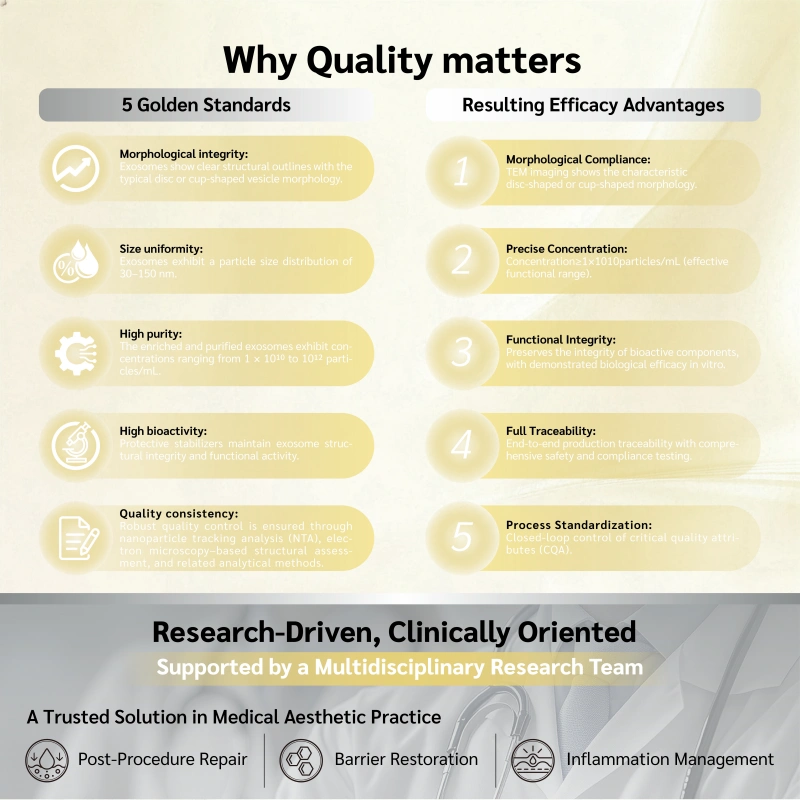

Understanding Specifications for Ingredient-Based Formulations

Understanding Specifications for Ingredient-Based Formulations

Specifications play a crucial role in ingredient-based formulation development. They outline the required characteristics of each ingredient and set the standards for quality and performance. Key specifications to consider include:

Chemical Composition: This determines the functionality of the ingredient in the formulation. Ensure that the composition aligns with your product goals.

Purity Levels: High purity levels are often required, especially in medical applications, to avoid contamination that could lead to adverse reactions.

Physical Properties: Factors such as solubility, viscosity, and stability under various conditions (temperature, pH, etc.) should be detailed in the specifications. These properties can greatly influence the formulation process and the end product.

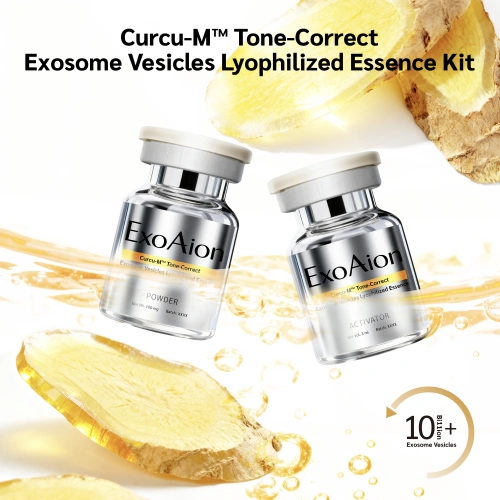
Shelf Life: Understanding the stability and shelf life of each ingredient is vital. An ingredient that degrades quickly can compromise the overall formulation, such as those found in Curcu-M™ Tone-Correct Exosome Vesicles Lyophilized Essence.

By thoroughly reviewing and understanding these specifications, buyers can avoid common pitfalls, such as ingredient incompatibility or regulatory non-compliance.

Common Problems in Formulation Development and Their Solutions

Common Problems in Formulation Development and Their Solutions

Formulation development can present various challenges that need to be addressed proactively. Common issues include ingredient incompatibility, stability problems, and scale-up difficulties.

Ingredient Incompatibility: This can lead to reduced efficacy or even adverse effects. Conducting preliminary compatibility studies during the development phase can help identify potential issues.

Stability Issues: Products may degrade over time due to environmental factors or interactions between ingredients. Implementing accelerated stability testing can help predict product performance under various conditions and guide formulation adjustments.

Scale-Up Challenges: Transitioning from laboratory-scale formulations to large-scale production can uncover unexpected challenges, such as changes in viscosity or settling. To mitigate these issues, work closely with suppliers who have experience in scale-up processes and can provide insights into potential adjustments needed for larger batches.

Overall, addressing these problems early in the formulation development process can save time and resources, leading to a more successful product launch.

Applications of Ingredient-Based Formulations in Various Industries

Ingredient-based formulations are utilized across numerous industries, including pharmaceuticals, cosmetics, food and beverage, and nutraceuticals. Each industry has specific requirements and applications for these formulations.

Pharmaceuticals: Here, ingredient-based formulations are critical for creating effective medications that meet stringent regulatory standards. Active pharmaceutical ingredients (APIs) are combined with excipients to ensure proper delivery and absorption in the body.

Cosmetics: The formulation of personal care products requires a focus on aesthetics and skin compatibility. Ingredients must be selected not only for their functional properties but also for their ability to enhance the user experience.

Food and Beverage: Formulation in this sector often revolves around flavor, texture, and preservative systems. Ensuring that ingredients comply with food safety regulations is also crucial.

Nutraceuticals: These formulations often combine vitamins, minerals, and herbal ingredients for health benefits. Here, the challenge lies in ensuring bioavailability and efficacy.

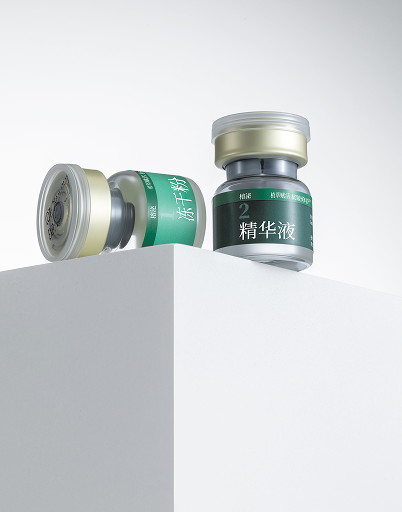
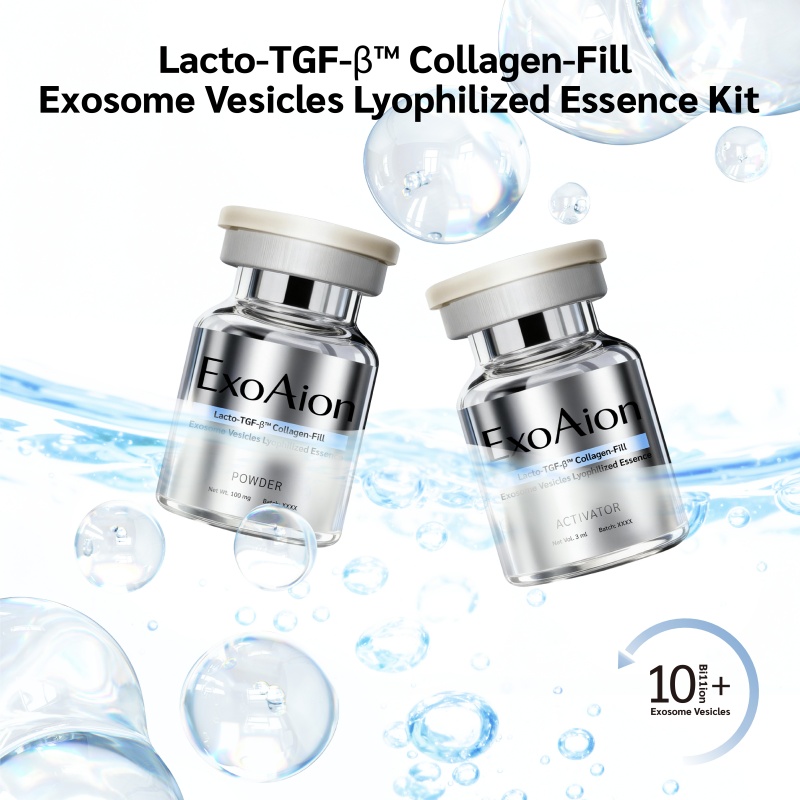
Ingredient-based formulation development is a complex process that requires careful consideration of various factors, including ingredient selection, supplier reliability, and specification understanding. By addressing these aspects, buyers can develop high-quality formulations that meet their industry’s specific needs and standards, including those found in Lacto-TGF-β™ Collagen-Fill Exosome Vesicles Lyophilized Essence.

Choosing the Right Ingredients for Your Formulation Development Needs

Selecting the right ingredients for formulation development is essential for achieving the desired product performance and safety standards. The process begins with identifying the functional properties required for the formulation. This includes understanding the role each ingredient will play—whether it’s an active ingredient, a binder, a preservative, or a stabilizer.

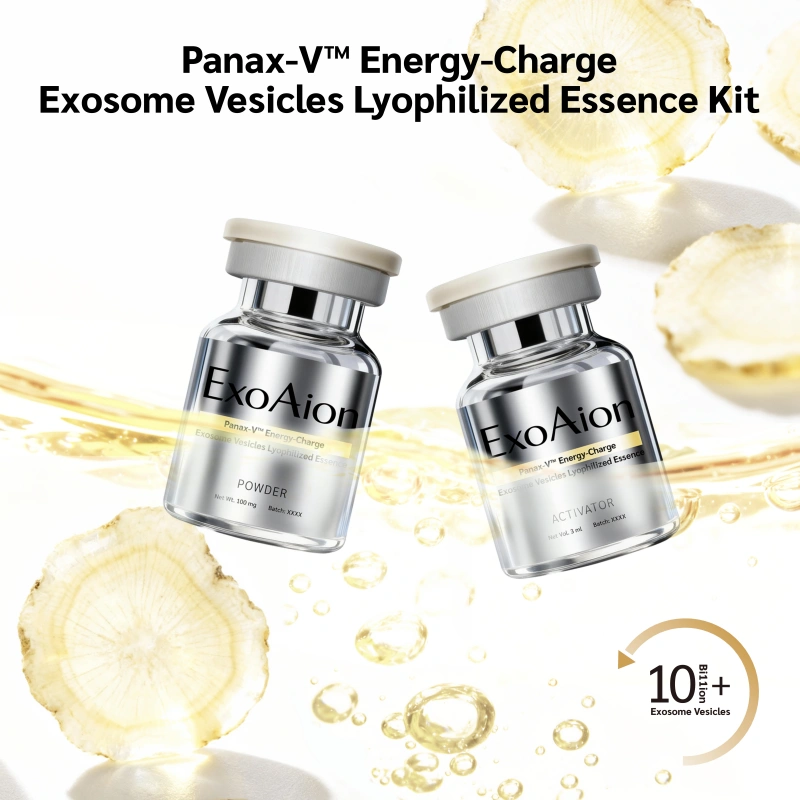
When evaluating ingredients, consider factors such as compatibility with other components, regulatory compliance, and the potential for allergic reactions. For example, in medical-grade formulations, the use of biocompatible and non-toxic materials is paramount. Additionally, the sourcing of high-quality raw materials can significantly influence the final product’s efficacy and stability. Products like Panax-V™ Energy-Charge Exosome Vesicles Lyophilized Essence can be a great addition to enhance efficacy.

Understanding the specifications for each ingredient is also crucial. This includes aspects like purity levels, particle size, and moisture content, as these can impact the formulation process and the resulting product quality. Always request detailed technical data sheets from suppliers to ensure that the ingredients meet your specific needs.

Our Blog Posts

Are Exosomes Safe in Skincare?What Brands Need To Know Before Formulating

08

May

Are Exosomes Safe in Skincare?What Brands Need To Know Before Formulating

Current Clinical Evidence on Exosome Safety in Skincare Synthesis of Human Clinical Trials: Efficacy and Adverse Events with Topical Exosomes Recent studies seem to back up what many in the beauty industry have been saying about topical exosomes f...
View More
The Science Behind ExoAion Exosomes: Harnessing Plant-Based Cellular Communication for Beauty Solutions

04

Nov

The Science Behind ExoAion Exosomes: Harnessing Plant-Based Cellular Communication for Beauty Solutions

Plant exosomes have come from the realm of academic interest to the commercial ingredient in a very short time, and it is through biology, not marketing, that this can be attributed. These nanoscopic vesicles contain the molecular signature of the pl...
View More
Building Competitive Skincare Products with ExoAion Plant-Derived Exosome Solutions

04

Nov

Building Competitive Skincare Products with ExoAion Plant-Derived Exosome Solutions

The exosome skin care market is rapidly maturing, and with a maturing market comes a bigger question – does the brand have the capability to develop a product with exosome ingredients that will stand up to regulatory approval, consumer doubt, a...
View More
ExoAion Plant-Derived Exosomes: Bridging Biotechnology and Modern Beauty Science

04

Nov

ExoAion Plant-Derived Exosomes: Bridging Biotechnology and Modern Beauty Science

Years, capital and a lot of trial and error separate the moment the biotechnology breakthrough occurs and the cosmetic product makes it to the shelf. For over a decade, plant-based exosomes have been in the research community and gaining popularity f...
View More

Get a Free Quote

Our representative will contact you soon.
Email
Name
Company Name
Message
0/1000

Related product categories

Natural extracellular vesicles, leading cellular-level anti-aging solutions
Omini Dynamics is a technology-driven manufacturer specializing in plant-derived exosome ingredients and OEM/ODM skincare solutions.
Subscribe To Our Newsletter

Get a Free Quote

Our representative will contact you soon.
Email
Name
Company Name
Message
0/1000