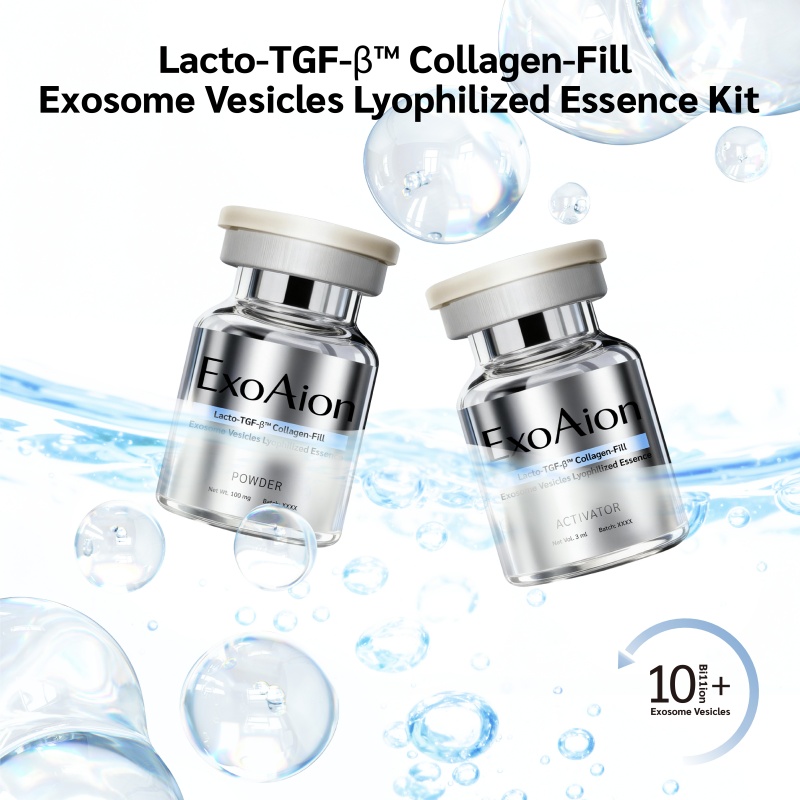
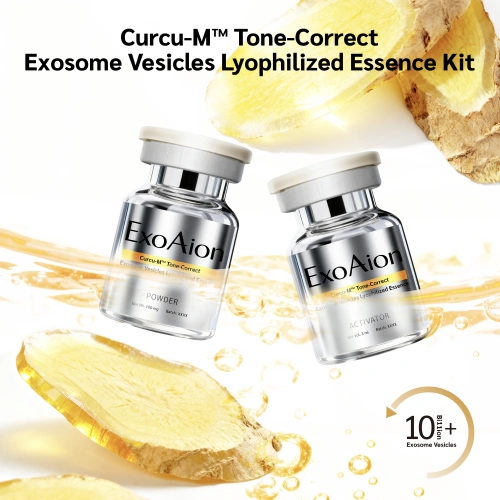
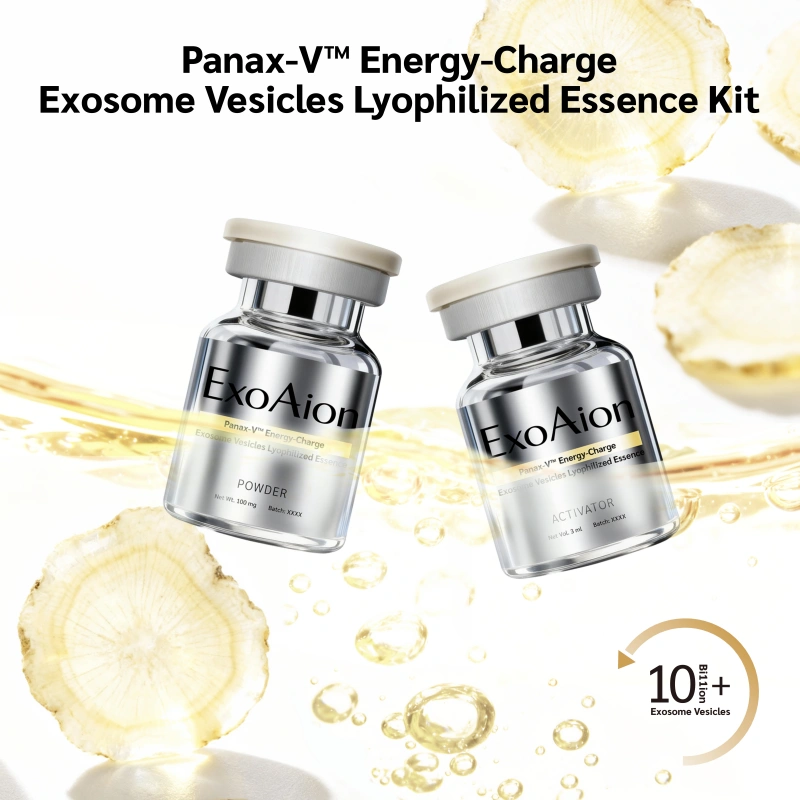
Choosing the Right Polypeptide Protein for Projects

Polypeptide protein

Polypeptide proteins are essential components in various medical and commercial applications, particularly within the realm of biotechnologies and pharmaceuticals. As a B2B buyer whether you’re a purchasing manager, distributor, or product manager understanding the nuances of exosome skincare oem is crucial. This article will address your key concerns, such as selection criteria, specifications, supplier reliability, cost factors, and the differences among manufacturers. Equipped with this knowledge, you can make informed decisions that align with your project requirements. 
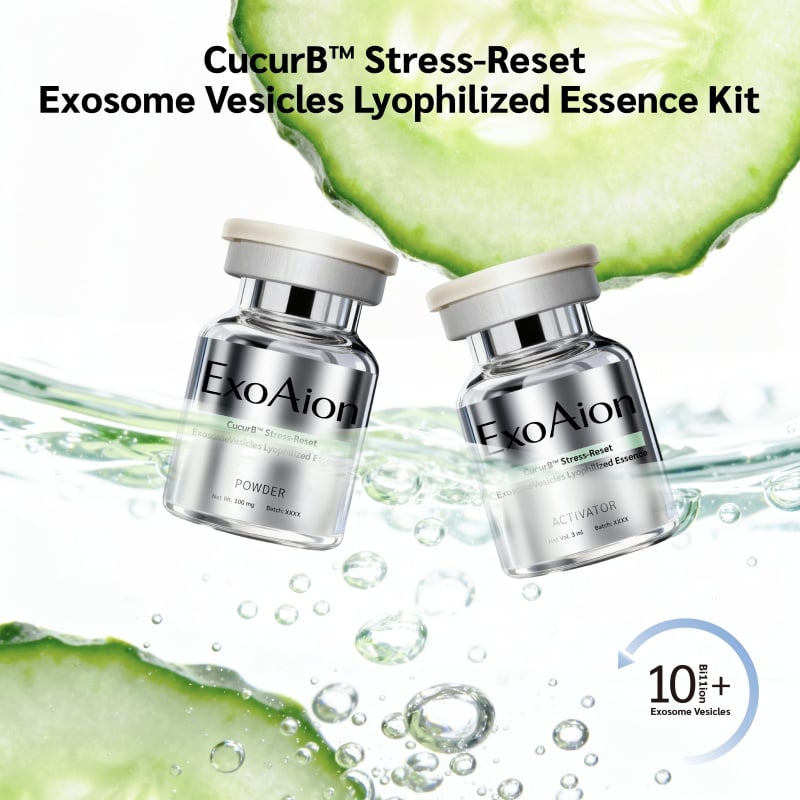
Our Products

Key Specifications to Evaluate in Polypeptide Protein Products

When evaluating polypeptide proteins, several key specifications are critical for ensuring compatibility with your applications. 

Purity: The level of impurities can significantly affect the performance of the polypeptide. Higher purity levels (typically >95%) are necessary for clinical applications,  while research applications may have more flexible requirements. 

Molecular Weight: Understanding the molecular weight is essential, as it can influence the pharmacokinetics and dynamics of the protein. Ensure the molecular weight aligns with your intended use. 

Amino Acid Sequence: The specific sequence dictates the protein's functionality. Verify that the sequence matches your project’s requirements, particularly for therapeutic proteins where biological activity is crucial. 

Stability and Storage Conditions: exosome cosmetic oem can be sensitive to temperature, pH, and light. Evaluate the manufacturer's recommendations for storage and handling to maintain the protein's integrity. 

Endotoxin Levels: For therapeutic applications, controlling endotoxin levels is crucial to avoid adverse reactions. Ensure that the product meets the regulatory standards applicable to your industry. 

Reliable Suppliers for Polypeptide Proteins

Selecting a reliable supplier for polypeptide proteins is fundamental to ensuring product quality and consistency. Start by verifying their experience in the field; a supplier with a strong background in biopharmaceuticals or biotechnology will likely have better insights into your specific needs. 

Review their manufacturing capabilities and certifications. Look for suppliers that adhere to Good Manufacturing Practices (GMP) and have appropriate quality control processes in place. This ensures that the polypeptide proteins are produced in a controlled environment, minimizing the risk of contamination. 

It's also beneficial to consider the supplier's track record with existing clients. Request case studies or testimonials from other businesses in your industry to gauge their reliability and product performance. Lastly, inquire about their technical support and customer service, as effective communication can help resolve any issues that arise during the project. 

Understanding the Cost Factors of Polypeptide Protein Purchases

Cost is a significant factor in purchasing polypeptide proteins, and understanding the various components that contribute to the overall price can help you make better-informed decisions. Key cost factors include: 

Raw Material Costs: The source of the polypeptide whether derived from natural sources or synthesized—can greatly affect pricing. Synthetic polypeptides may offer more consistent pricing but could involve higher initial production costs. 

Purity Levels: Higher purity usually leads to increased costs. If your application allows for lower purity, you may save on expenses. 

Customization and Scale: Custom formulations typically involve additional research and development costs. Furthermore, bulk orders often provide cost savings, so consider your anticipated volume when requesting quotes. 

Lead Time: Shorter lead times may come at a premium. If your project timeline is flexible, discussing longer lead times could yield more favorable pricing. 

Shipping and Handling: Consider the costs associated with shipping, particularly if temperature-controlled conditions are required. Factor these expenses into your total cost evaluation. 

Polypeptide Proteins from Different Manufacturers

Different manufacturers may offer varying qualities and formulations of polypeptide proteins, influenced by their production methods and expertise. When comparing products, pay attention to the following aspects: 

Manufacturing Processes: Some manufacturers utilize fermentation, while others rely on chemical synthesis. Each method has its advantages and drawbacks in terms of yield, cost, and potential contaminants. 

Quality Control Measures: Investigate the quality assurance processes in place at each facility. This includes routine testing for purity, potency, and contaminants,  which can vary significantly between manufacturers. 

Product Range: Consider the variety offered by manufacturers. Some may specialize in certain types of polypeptides or applications, while others provide a broader range of products. 

Certifications: Certifications such as ISO or GMP can signal a manufacturer's commitment to quality and safety standards. Ensure that the manufacturer you choose complies with relevant regulations in your industry. 

Customer Support and Technical Expertise: The level of technical support provided can differ among manufacturers. A supplier that offers comprehensive support can help you optimize your product’s performance and address any challenges throughout the project lifecycle. 

By understanding these factors, you can make informed decisions when selecting polypeptide proteins and suppliers, ultimately enhancing the success of your project. 

How to Choose the Right Polypeptide Protein for Your Projects

Choosing the right polypeptide protein involves several considerations that directly impact your project's success. First, assess the application requirements: Are you using the polypeptide in a therapeutic context, in research, or for commercial products? Each application can demand different properties such as solubility, stability,  and bioactivity. 

Next, consider the source of the polypeptide. Natural sources may provide a more complex structure, while synthetic options can offer better consistency and scalability. It's also essential to evaluate the purity level required for your application; higher purity may be necessary for therapeutic uses, while research applications may tolerate lower purity levels. 

Finally, customization options should not be overlooked. As a B2B buyer, you may require specific modifications to the exosome oem manufacturer structure to achieve desired functionalities. Discussing your exact needs with the manufacturer can lead to tailored solutions that enhance your project's outcomes. 

Our Blog Posts

How to Launch an Exosome Skincare Brand with OEM/ODM Support

28

Mar

How to Launch an Exosome Skincare Brand with OEM/ODM Support

Why Plant-Derived Exosomes Are the Strategic Foundation for a Scalable Exosome Skincare Brand Science-Backed Differentiation: How plant exosomes deliver clean-label, non-drug anti-aging efficacy with superior stability and safety Natural plant exo...
View More
5 Key Benefits of Plant-Derived Exosomes in Anti-Aging Formulas

28

Mar

5 Key Benefits of Plant-Derived Exosomes in Anti-Aging Formulas

Stimulate Collagen & Dermal Matrix Renewal Fibroblast Activation via TGF-β Signaling and Procollagen I Upregulation When plant derived exosomes come into contact with dermal fibroblasts those main collagen makers they actually kickstar...
View More
Are Exosomes Safe in Skincare?What Brands Need To Know Before Formulating

08

May

Are Exosomes Safe in Skincare?What Brands Need To Know Before Formulating

Current Clinical Evidence on Exosome Safety in Skincare Synthesis of Human Clinical Trials: Efficacy and Adverse Events with Topical Exosomes Recent studies seem to back up what many in the beauty industry have been saying about topical exosomes f...
View More
Why Exosome Skincare Is the Next Big Opportunity for Private Label Brands

28

Mar

Why Exosome Skincare Is the Next Big Opportunity for Private Label Brands

The Science-Backed Rise of Exosome Skincare in Consumer Markets From Clinical Regeneration to Retail Shelves: How Exosomes Transitioned to High-Demand Actives Exosomes these tiny packages released by stem cells have been making waves in medicine fo...
View More

Get a Free Quote

Our representative will contact you soon.
Email
Name
Company Name
Message
0/1000

Related product categories

Natural extracellular vesicles, leading cellular-level anti-aging solutions
Omini Dynamics is a technology-driven manufacturer specializing in plant-derived exosome ingredients and OEM/ODM skincare solutions.
Subscribe To Our Newsletter

Get a Free Quote

Our representative will contact you soon.
Email
Name
Company Name
Message
0/1000