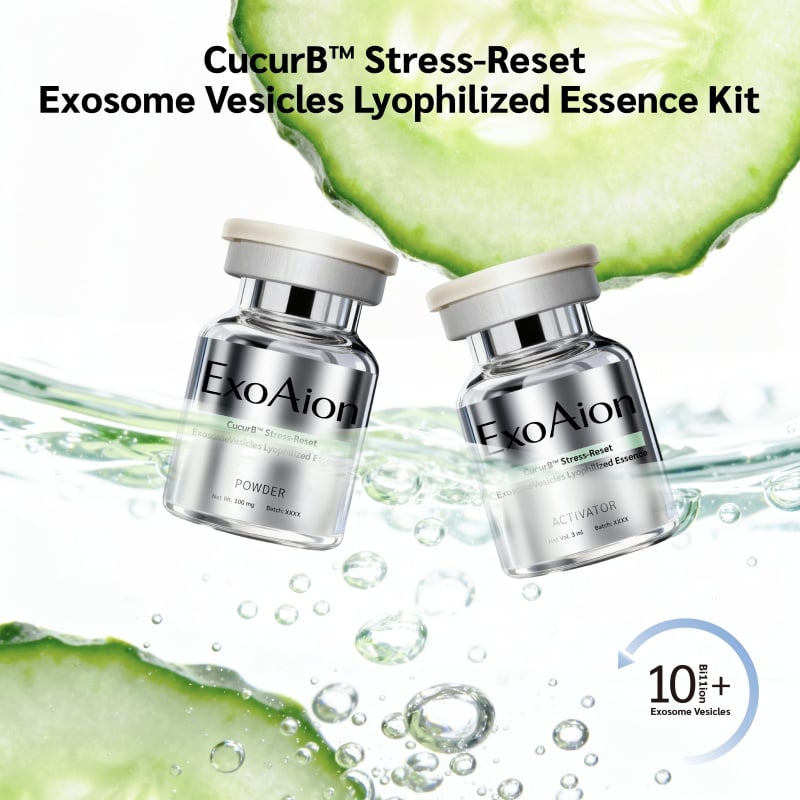
Glutathione products are becoming increasingly significant in various industries, including healthcare, cosmetics, and supplements. As a potent antioxidant, glutathione plays a crucial role in detoxification and cellular health, making it a popular choice for businesses seeking to enhance their product lines. However, B2B buyers often have specific concerns regarding product quality, sourcing strategies, and application suitability. This article aims to provide insights into selecting the right glutathione aging products, addressing common challenges, understanding cost factors, exploring various applications, and identifying key attributes of reliable product partners.
Common Problems with Glutathione Products and Their Solutions
Glutathione products can present various challenges, especially concerning stability, absorption, and efficacy. One common issue is oxidation, which can degrade glutathione and diminish its antioxidant properties. To mitigate this, exosome oem manufacturer can use specialized packaging that limits exposure to light and air, such as opaque or vacuum-sealed containers.
Another problem is the bioavailability of glutathione. Many oral supplements may not be effectively absorbed by the body. To tackle this, consider formulations that enhance absorption, such as liposomal delivery systems or precursors like N-acetylcysteine (NAC), which the body can convert into glutathione.
Quality control is also a critical concern. Ensure your supplier conducts thorough testing for contaminants and verifies the potency of their products through third-party laboratories. Establishing strong communication with your supplier can help you address these issues proactively, ensuring that you receive high-quality glutathione products.