Antioxidant face serums have become essential in skincare, particularly in the B2B market for cosmetics and beauty products. These serums are formulated to combat oxidative stress and provide skin nourishment. As a purchasing manager or distributor, your primary concerns include product efficacy, sourcing quality ingredients, and ensuring compliance with industry standards. This article will guide you through the benefits, specifications, cost factors, common issues, and optimal usage of antioxidant face serums, helping you make informed purchasing decisions.
Key Specifications to Consider When Choosing Face Serums
When assessing antioxidant face serums, several key specifications should guide your selection process:
Active Ingredients: Look for serums with a high concentration of effective antioxidants. The efficacy of the serum often correlates with the potency of these ingredients. For instance, a concentration of 15% to 20% vitamin C is typically effective for skin brightening.
pH Level: The pH of the serum affects its stability and absorption. Most effective serums have a pH between 3.0 to 4.0, which enhances the stability of vitamin C and other active components.
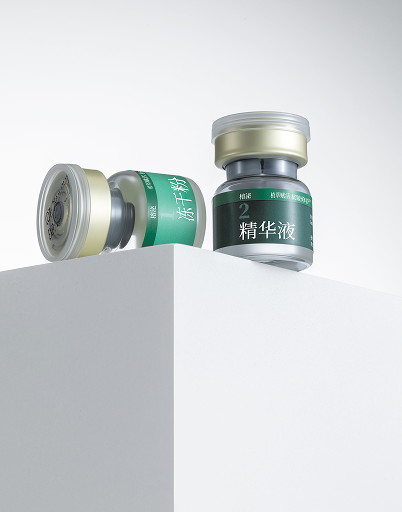
Packaging: Antioxidants can degrade when exposed to light and air. Choose serums that are packaged in opaque, air-tight containers which help maintain ingredient potency.
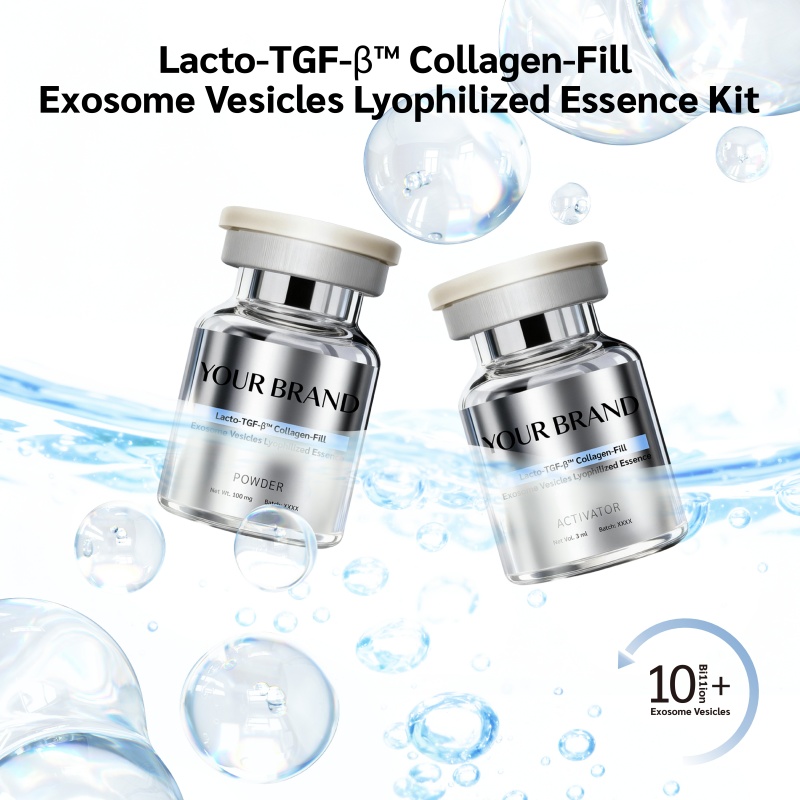
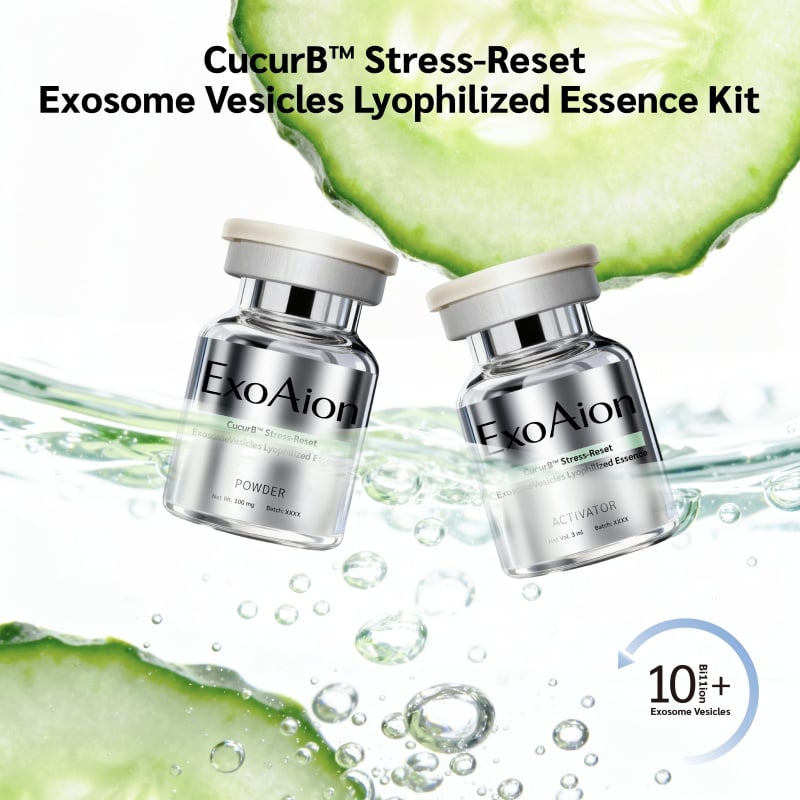
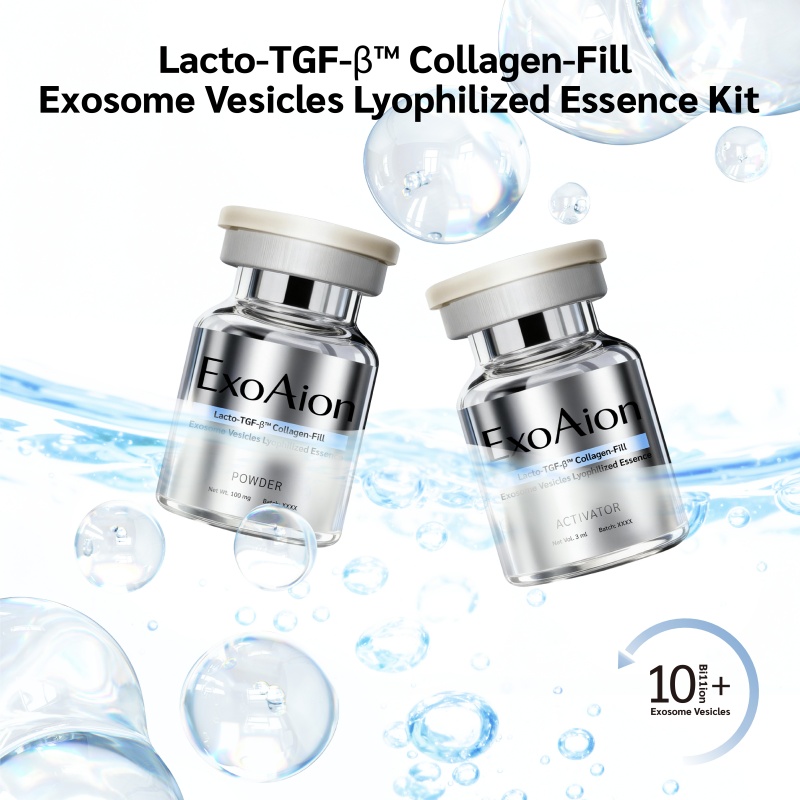
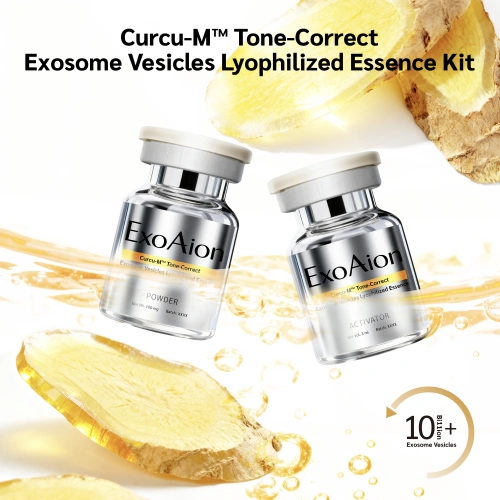
Formulation Type: Consider whether the serum is water-based, oil-based, or a hybrid. Each formulation type has different absorption rates and benefits. Water-based serums tend to be lighter and absorb quickly, whereas oil-based serums may provide more hydration. For instance, the Curcu-M™ Tone-Correct Exosome Vesicles Lyophilized Essence is a great option for those looking for a hydrating solution.
Shelf Life: Understand the product’s shelf life, as it can affect inventory management. Typically, serums should be used within six months to a year after opening, depending on their ingredients and formulation.